

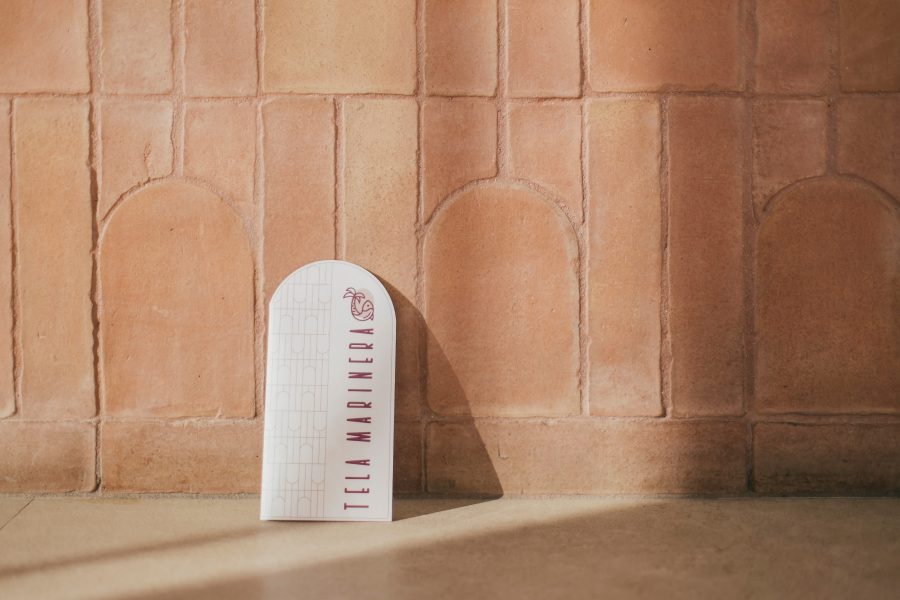


Tela Marinera: a project that integrates todobarro’s design in their brand identity
Our Vélez-Acueducto set is the epicenter of this lovely beach bar's design in the coast of Málaga
The Spanish concept of beach bars or chiringuitos has evolved quite a bit since those shacks that, since the mid XIX century, offered little more than shade and maybe a cool drink to its patrons. On the shore of the Alboran sea, a small place claims the best of two worlds: the laid-back, carefree summer vibe of chiringuitos and the high quality culinary experience of local food. We are talking about Tela Marinera, one of the many beach restaurants that populate the seafront promenade of la Carihuela, in Torremolinos, Málaga.
Even though Tela Marinera’s format is increasing in popularity it is clear at first glance that this is not your typical beach bar. The restaurant has developed its whole identity in an encompassing way; its food and wine menu appeals to seasonal Mediterranean cuisine, highlighting the local ingredients and recipes. The restaurant’s logo unites two hallmarks of the coastal area of Málaga: fish and palm trees. The space that hosts the patrons uses the warmth of natural materials and earthy tones of Mediterranean culture to maximize the comfort of a well designed space.
And this whole proposal is made aesthetically around one of our terracotta sets: the Acueducto design from the Vélez collection, signed by Damián López from LEBLUME studio.
The blueprint of fired clay in interdisciplinary design
LEBLUME studio is behind one of our author collections, in which guest designers—young local artists—translate their worldview into our ceramic pieces. Within this collection, inspired by the architectural pillars of eastern Al-Andalus, we find eleven aesthetic designs created using modular pieces that can be combined with one another, telling the story and architectural legacy of our region.
The design of this terracotta wall, specifically, consists of an asymmetrical rectangular piece with one rounded end and two half-bricks that unmistakably evoke the geometry of the Roman and Arab aqueducts that once formed the water channels of the Axarquía region in Málaga, hence its name. For this project, the salmon hue was chosen—a warm, dark color resulting from the combination of local clays and earths after air-drying and firing in our traditional Nasrid kilns.
What Tela Marinera has done with the Vélez-Acueducto format is to use its design and hue as the backbone of the restaurant. A panel covered with these tiles features the logo in the center and serves as a decorative mural. This approach, which has been used before in other projects, demonstrates the versatility of our pieces, which, in addition to being fundamental bioclimatic elements of vernacular architecture, function as the backbone of the visual design.
The pièce de résistance is the restaurant’s counter, clad in our Vélez-Acueducto wall paneling. Behind the counter, three niches echo the shape of the design’s centerpiece, and the color palette—from the rest of the furnishings to the restaurant menu and staff uniforms—is inspired by the colors of our terracotta.
A terracotta screen to separate spaces without closing them off
In addition to the Acueducto-Vélez flooring, the Tela Marinera restaurant features one of our new terracotta screens. The original purpose of the latticework or screen was to provide privacy to interior spaces without sacrificing the flow of light and air, and the way our bioclimatic terracotta screen has been used at Tela Marinera perfectly aligns with this original function.
As is often the case in this type of establishment, the line between public and private blurs in the transition from one space to another. Access to different areas with distinct functions—such as restrooms, the kitchen, or the storage room—is often from the beach or the street. Beach bar culture isn’t particularly modest, but here we’re dealing with a sophisticated take on the traditional image of fabric umbrellas and plastic tables. To reconcile this apparent contradiction between the informality of a beach bar and the modesty of a restaurant, our terracotta latticework is the ideal solution: it offers discretion and a clear separation between one space and another, without detracting from the identity of the experience.
A vindication of neo-craftsmanship
At todobarro, we have always maintained that working with natural, sustainable, and age-old materials and techniques is not only compatible with today’s needs but also feeds into the prosperity of the partners and clients we work with. This project with Tela Marinera is the perfect example of how one of the greatest virtues of neo-craftsmanship lies at the intersection of design, tradition, and innovation.


More terracotta projects to inspire you
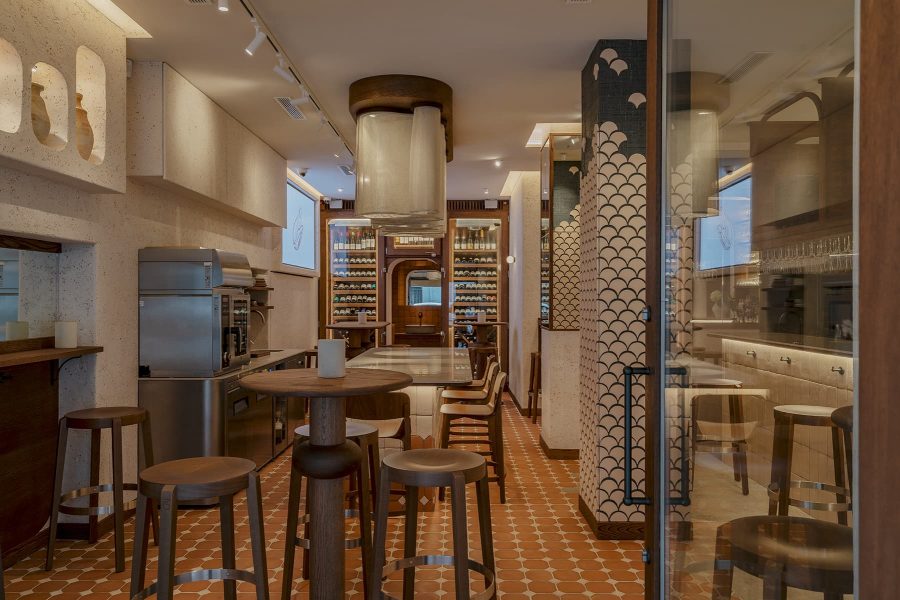
CAL Gastrobar: custom made high temperature terracotta tiles for a restaurant
An integral renovation, a challenging starting point and many months of work is what lies beneath this project located in Santander, North of Spain,…
Casa Uva: a terracotta staircase towards subtlety
Barely a dozen kilometers from the coast of Cádiz, and a couple hundred meters above sea level, stands the town of Vejer de la…
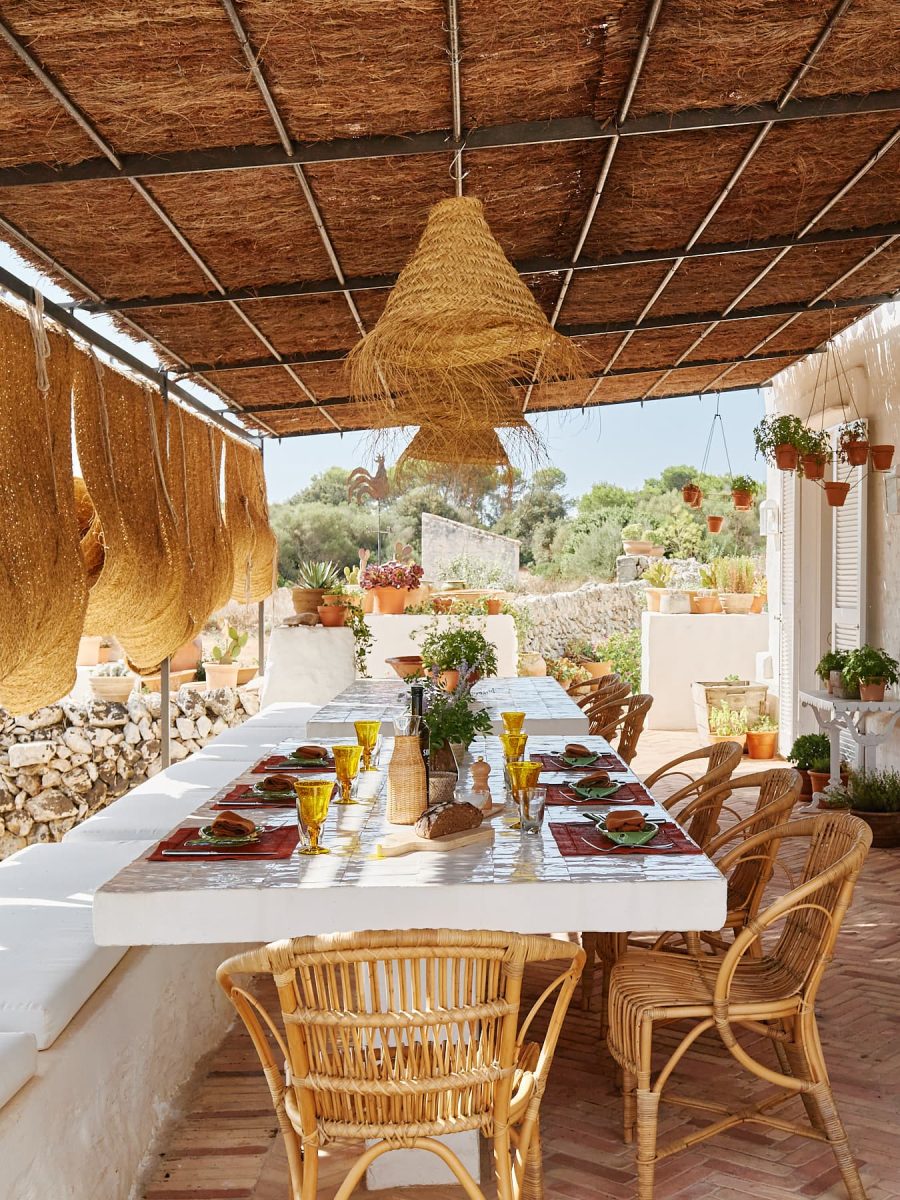
Terracotta patio tiles for Santa Magdalena: Luis Laplace’s perfect house in Menorca
One of the most beautiful houses in all the Mediterranean. Such is the unexpected contribution that the French-Argentinian firm Laplace has made to the…
