



Sustainable design
When we look at an object, do we wonder what is it made of? Where do its materials come from? Do we think about its service life? Or about the environmental impact it may have in the long term? Sustainable design is at the core of this line of thinking.
The term sustainable design is relatively new. It came about as a necessary and urgent answer in the face of the production models held throughout the XXth century that drove us to an accelerated deterioration of our environment.
Mass production and the undiscriminated exploitation of natural resources have left an irreversible print on our planet, but we are now part of a paradigm shift in which more and more organizations, companies and individuals push for a rational consumption model that takes responsible resource management and ecological preservation into account.
Designers as agents of change
As designers, we play a fundamental part in sustainable production. We must solve problems and provide innovative solutions that guarantee a smaller use of resources with a smaller waste volume generated.
Is not just the object’s functionality that we need to reflect upon, but the kinds of materials needed to make it, where and how do we get those materials, and the production method itself, meaning the energy required for the manufacturing, and the service or shelf life the object will have.
According to architect Jason F. McLennan, key figure in the green building movement, designers should strive to completely eliminate the negative environmental impact of a product through skillfull and sensible design. Only with a sustainable approach applied to each step of the creative process can this goal be achieved.
The principles of sustainable design
But how can sustainability be implemented throughout the whole design process? It will change discipline to discipline (it won’t be similar for interior design as for architectural design, product design, graphic design…), but there are a set of principles that apply to all.
low impact materials
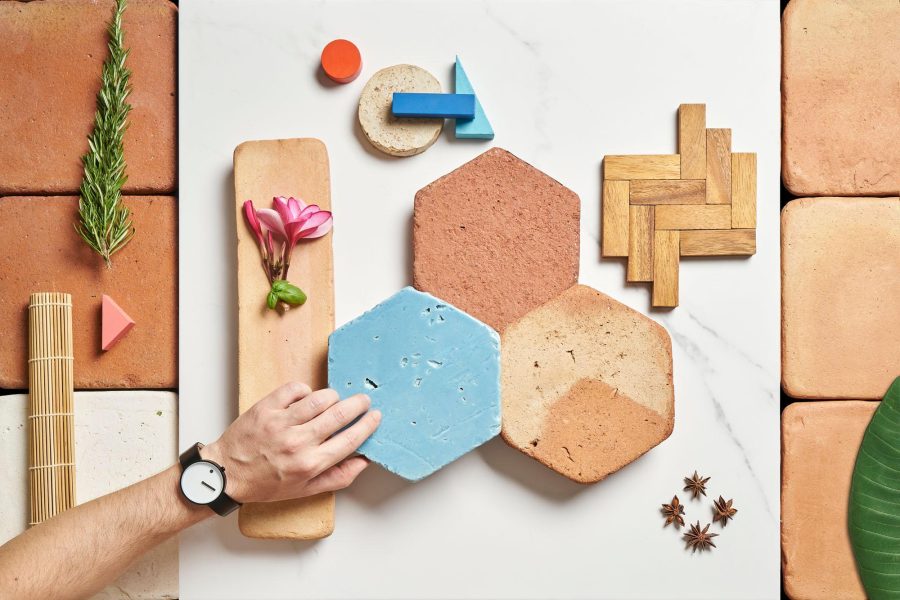
Meaning, non toxic, sustainably sourced or recycled materials that require little energy to be processed. The fired clay we use for our products definetly fits into this category.
energetic efficiency
This focuses on the use of means of production powered by renewable energy sources (solar or wind, for instance) through certified machinery that guarantees the full use of that energy. We have started an ambitious installation of solar pannels in our main tileshop in Málaga, aimed to be completely powered by solar energy by the end of 2020.
sustainable design, long lasting design
By reducing consumption and rejecting the harmful throwaway culture through sustainable design, we can strengthen the connection between people and products. The durability of handcrafted terracotta tiles is unquestionable, as they can be found in countless national monuments dating back hundreds of years, such as the Alhambra in Granada and the Arab Baths in Ronda.
recycling and upcycling as goals
Designers must keep this point in mind. Materials should be designed to serve a purpose beyond the product itself and thus ensure a second life. Old clay tile pavements are a highly prized and sought-after product in this regard: they are removed tile by tile, palletized, sold, and reinstalled.
what we do at todobarro for sustainability
The philosophy of sustainable design can only be understood through a comprehensive approach that takes into account the environment, people, the economy, and culture. At todobarro, we apply this holistic vision to our products, from the initial design of a clay piece to its final installation, to hold the end of our stick.
We know that originality and aesthetic harmony are not mutually exclusive of our environmental responsibility and commitment. That is why we are committed to a traditional, natural, and eco-friendly material that is extracted in an environmentally responsible manner.
When firing our handmade tiles in traditional Arab kilns, we use pruning waste from avocado trees in the Axarquía region and olive pits as fuel. In addition, we have begun planting native tree species around the factory perimeter to minimize our carbon footprint from CO2 emissions and, furthermore, to serve as windbreaks and thereby eliminate the need for plastic.
At the same time, we are gradually phasing out plastic in our pallet packaging, using recycled cardboard and pallets with returnable and reusable wooden frames instead.
There is no longer any doubt that the environmental challenges we face are urgent, and given that we are at the forefront of technology and scientific progress, there are no excuses. We must reinvent ourselves and develop a vision that ensures our future becomes increasingly greener.


Top stories

What is the Nature Restoration Law?
The Nature Restoration Law is a European regulation approved in 2024, aiming to ensure the necessary actions and initiatives to repair damaged ecosystems and…
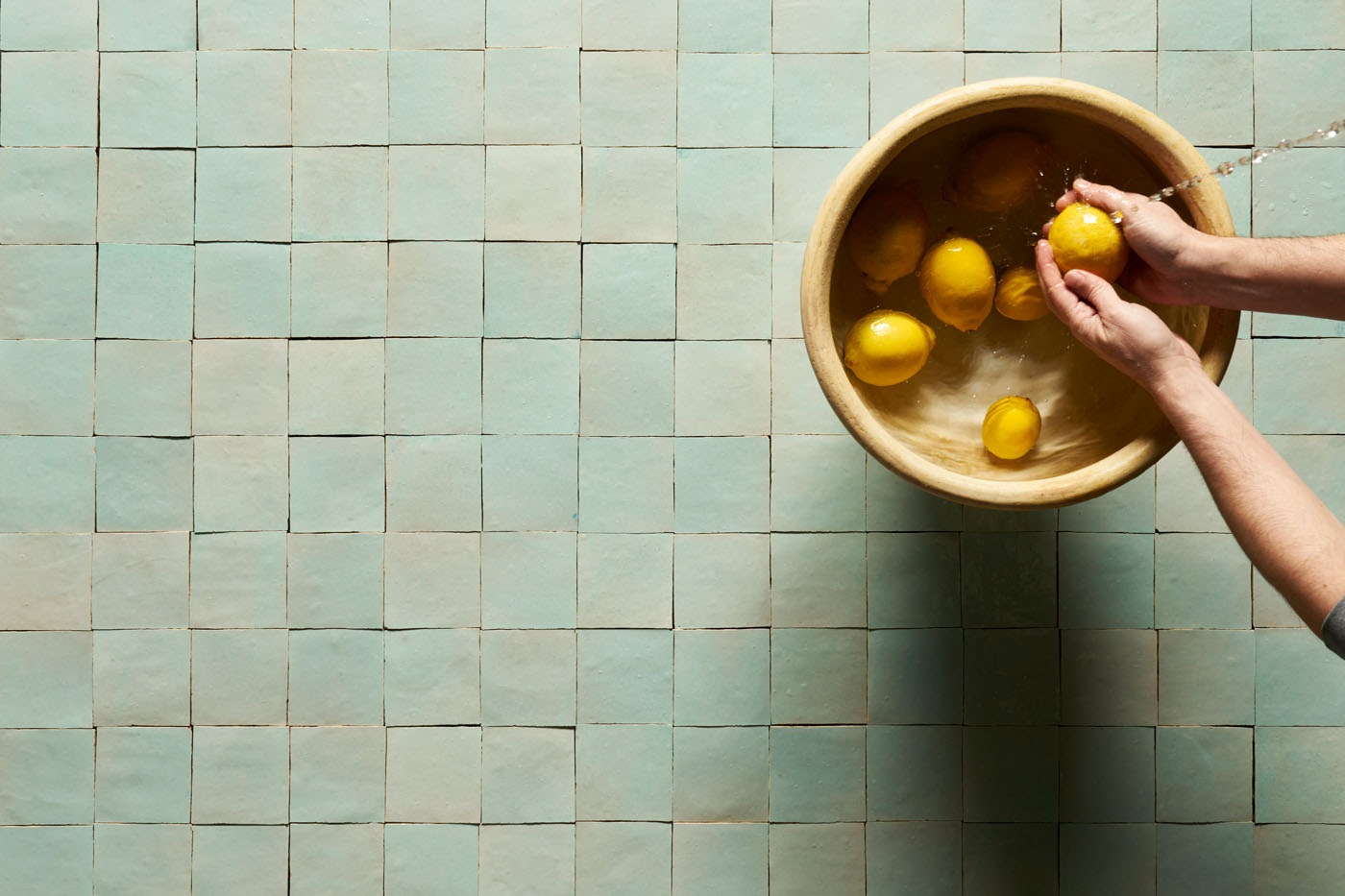
Acequias or irrigation ditches: an ancient knowledge making its comeback
“Acequias” (ditches) are one of the oldest existing systems of channeling and use of water. In the Iberian Peninsula we know them well: the…
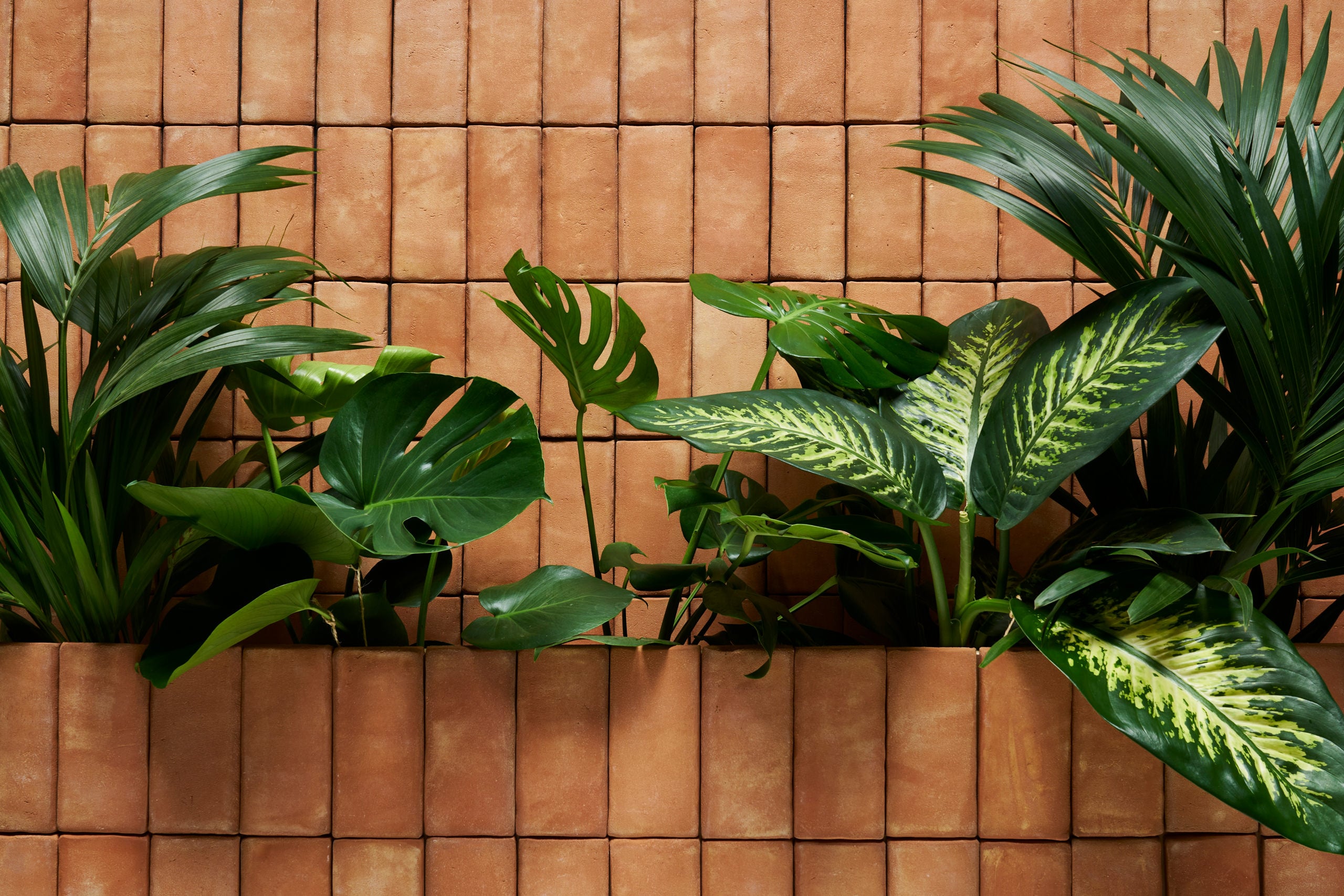
What is a compensatory measure?
By definition, a compensatory measure is an action aimed to restore or repair de negative environmental impact of any give activity -usually of a…
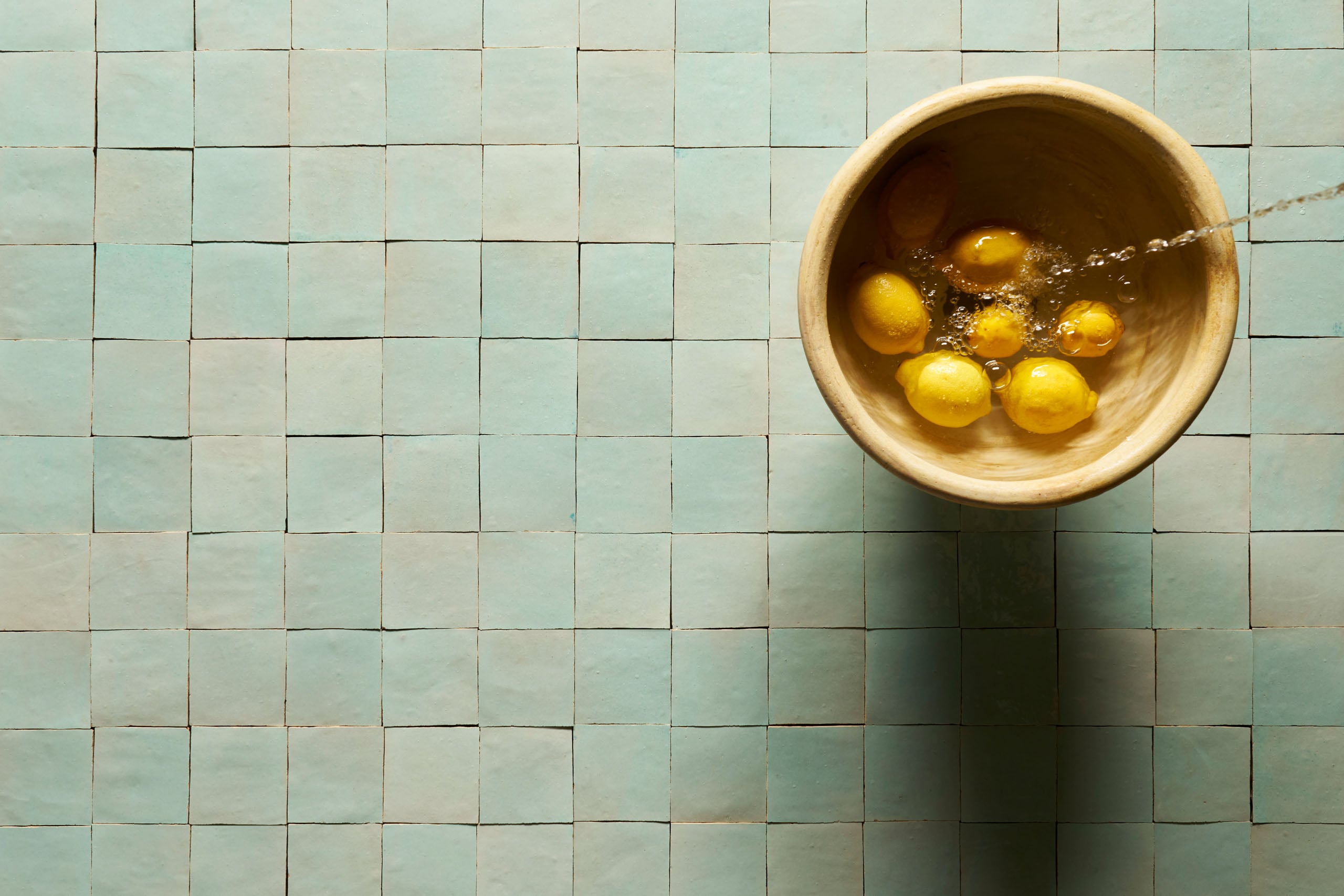
What are Zellige tiles?
The word zellige means ‘polished stone’ in Arabic. It refers to a type of traditional tile and mosaic technique characteristic of Morocco and the…
