

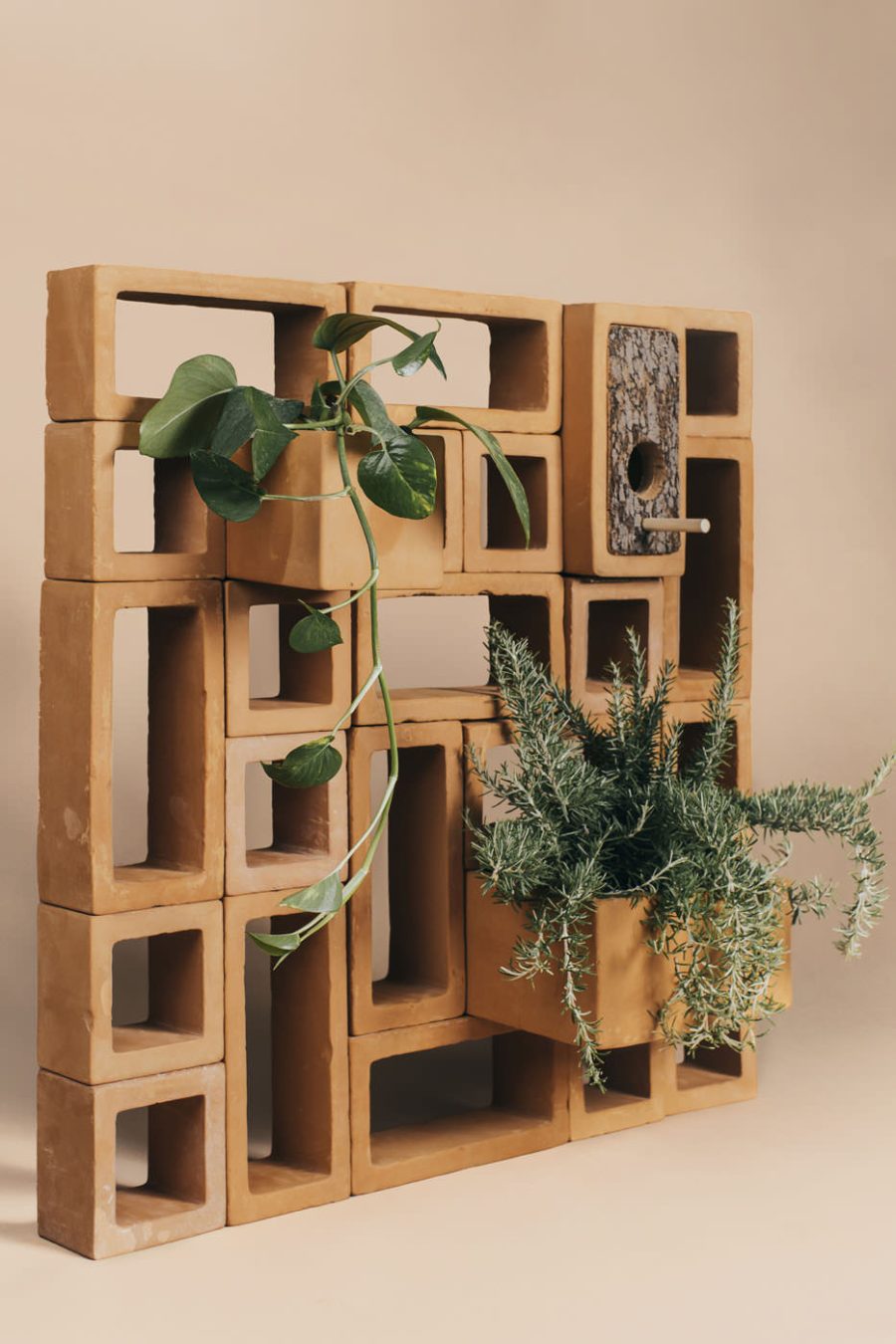


What is a terracotta screen
An approach to one of the most identifiable items of Mediterranean architecture
Here in the Mediterranean basin we’ve all seen them, walked past or even looked through them, but a lot of us have never realised they were actually there. Which is why, in order to explain what a lattice is, we need to pay attention to something that was designed to go unnoticed.
A lattice or terracotta screen is an architectural element made by any firm material that can be woven and that allows to divide or close a space and filter the natural light without restricting the air flow. Traditionally, they are made of natural materials, such as fired clay, wood or plant fibers, but today modern iterations of the item made with synthetic or metallic materials can be found. This practice, however, contradicts one of the main purposes of the latticework, that we explain further down.
The origins of latticework
A terracotta screen or lattice is an architectural item already present in the earliest Mesopotamic cultures. We find examples of the version we know today in ancient Egypt. Through History, different societies and cultures have found different uses and styles for this and many other building blocks of human architecture, but it is in Al-Andalus where the lattice finds its golden age.
Andalusian people practiced a relationship culture that is kept alive in Mediterranean societies: that which conjugates a social life lived on the streets and a private life lived at home. Unlike other cultures where socialization happens indoors, our Andalusian ancestors inoculated in urbanism and architecture of today’s Spain (particularly in the South) a concept of space that blends public and private use through constructions like gardens and Mediterranean patios. The places where we find architectural or designer lattices or terracotta screens are intimately related to its purposes.
What are the purposes of a terracotta screen?
Lattices fulfill two main functions:
- A social purpose: to see without being seen. This dichotomy between public and private is worked out through a lattice that allows to divide spaces without severing them. Societies with warm climates are the ones that make the most out of this unique feature of latticework, such as Mediterranean and South-East Asian cultures, where building walls instead of see-through screens comes at a social cost.
- A bioclimatic function: to regulate humidity and temperature. A screen allows the cool breeze to flow and the natural light to get in, but it blocks the direct impact of the harsher rays of sunshine. This function is why we find latticework both in private spaces and in parks and gardens, a key piece of the Andalusian legacy. Latticework is vegetation’s best friend, not just to divide plants (whether in rural or urban crops, like greenhouses or solariums), but to sift natural light. This bioclimatic function drastically varies depending on the type of material used for the lattice. Our terracotta screens act as a highly efficient thermoregulating element: they absorb energy during the hottest hours of the day, and slowly release it over the course of the night. With humidity it behaves contrarily, cooling the air during the summer and keeping it dry over the winter. Having a terracotta screen at home contributes to enhancing the thermal comfort inside while saving energy in heating and air conditioning.
Fired clay screens are so bioclimatically efficient that we’ve taken them all the way to the University of Malaga to test their properties and explore their possibilities in sustainable architecture, alongside the Chair of Climate Change, with whom we collaborate regularly.
Design in latticework
A factor that affects both the social and the bioclimatic function of a lattice is its design. The waving of the material, that is usually terracotta or wood (sometimes brick), determines the flow of light and air.
That is why we have made a big investment on design for our bioclimatic terracotta screens collection. We’ve reunited once again with Carlos Jiménez, Damián López and Jorge Herrera to offer a collection of modular terracotta screens that makes the most of this versatile staple of Mediterranean architecture, along with the fired clay properties we were already aware of.
With six different patterns to choose from and combine -they are all encased within a 12 cm reticle-, all our screens celebrate their cultural inheritance. All models are inspired by different parts and traditions of our native Málaga, a place that is both giver and receiver of the Andalusian pottery tradition, and that is starting to vindicate the popular knowledge of a vernacular architecture that we are going to need if we want to survive in the climate crisis.

Top stories

Andalusian whitewashing revalidates its importance against the climate crisis
Last month, Spanish paper La Vanguardia asked our coworkers Samuel Vega and Marta Sader about the whitewashing technique, called “encalado”, we’ve used in Andalusian…
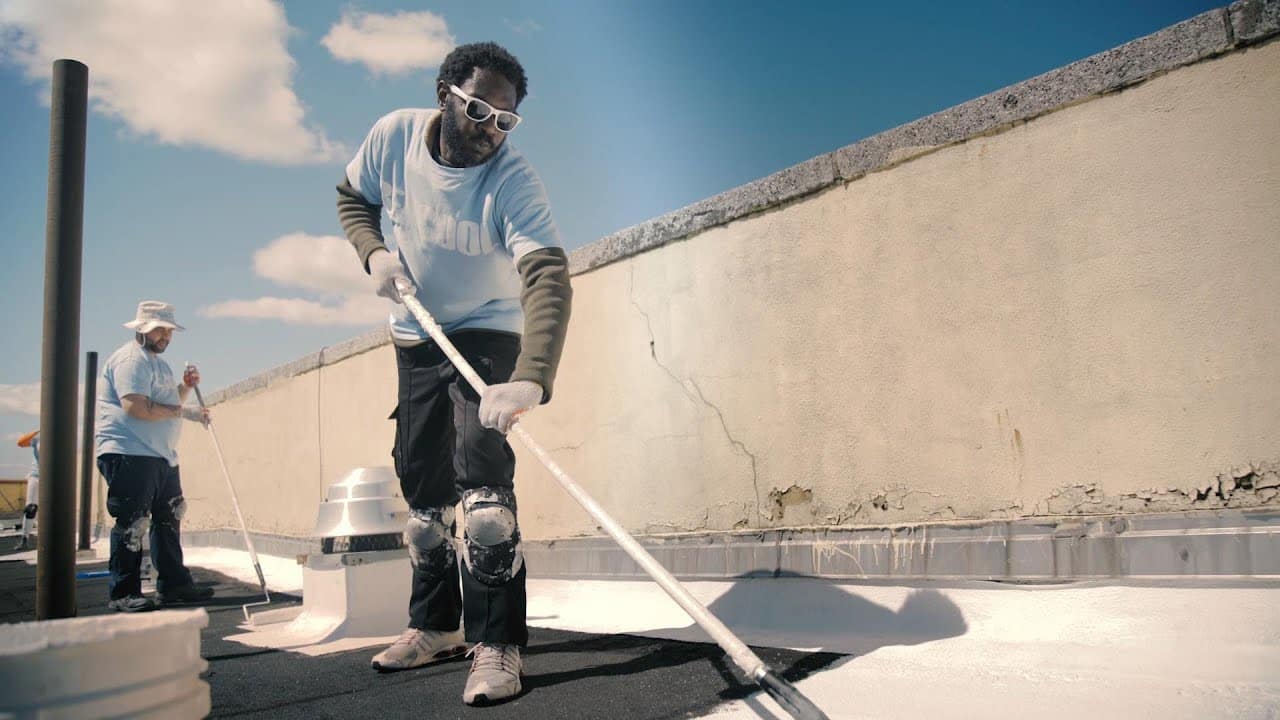
NYC CoolRoofs: New York Turns to Andalusian Vernacular Architecture to Combat Climate Change
Urban heat islands, extreme heat waves. These are two concepts that, for the sake of every living being, should grow increasingly distant from one…
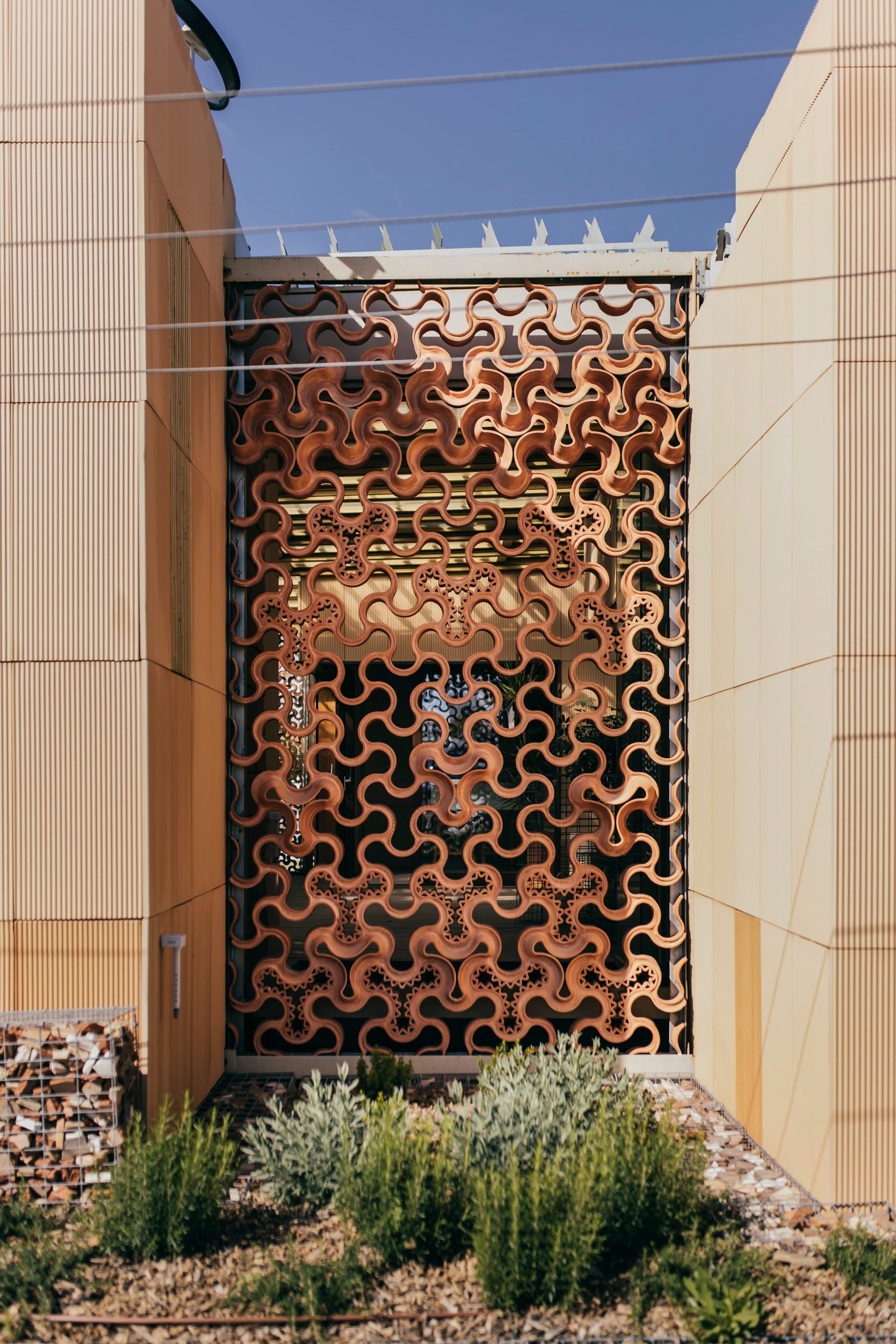
The Malaga College of Architects has selected our Casa Patio project for the 2026 Architecture Awards
More than 120 candidacies were submitted for the 18th edition of the Málaga Architecture Awards, one of the most prestigious competitions in the sector…
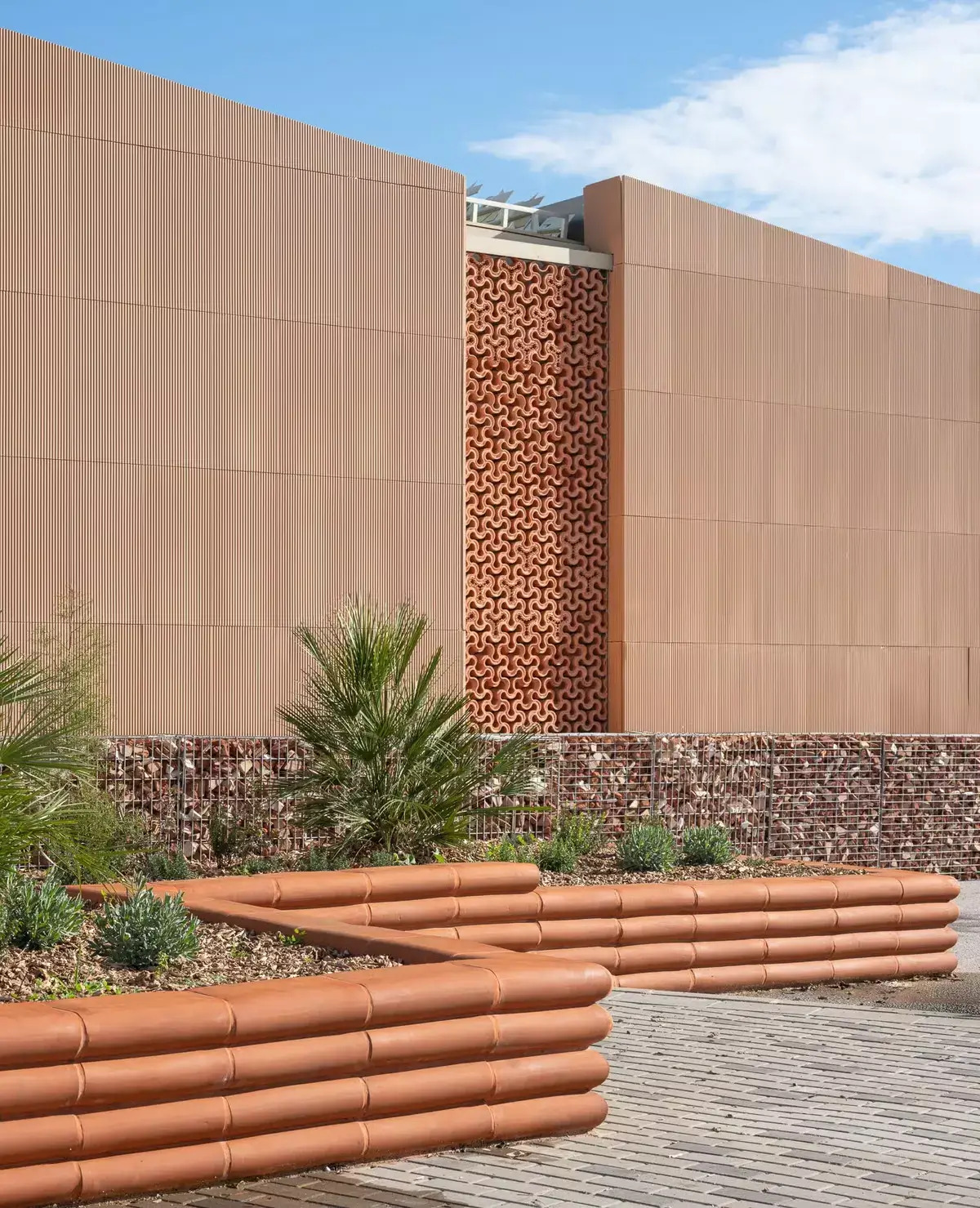
Succesful presentation of “Lab Patio 2.12”: todobarro’s experimental project to cool a house without using any energy
The project “Lab Patio 2.12” is one of todobarro’s research and development initiatives around the possibilities of clay as a bioclimatic material. Last week,…