

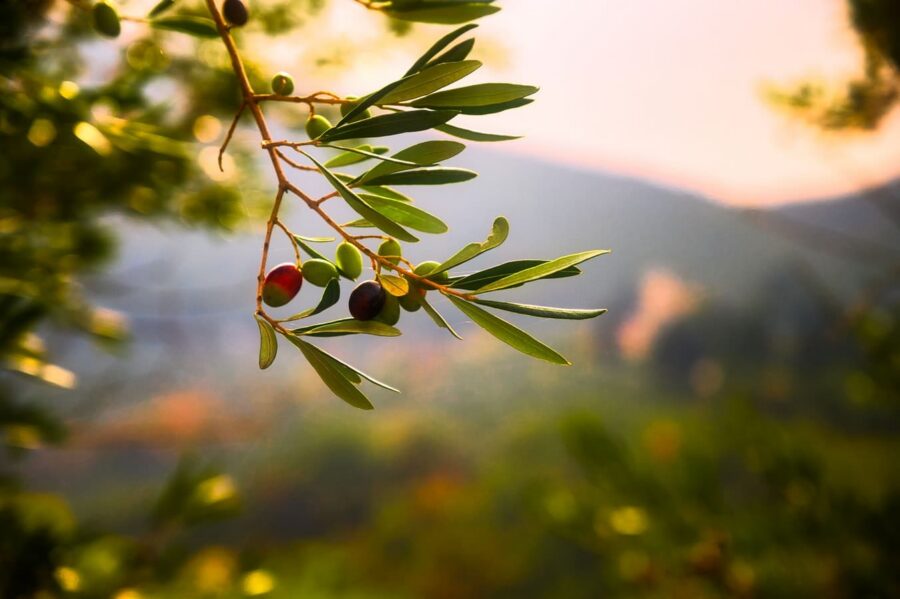


Island of Alboranic biodiversity: prevention and reparation
We explore the notion of the island of Alboranic biodiversity as a responsible option of environmental responsibility in a production context
An island of Alboranic biodiversity is a clearly delimited plot of land that is repopulated with native endemic species, in this case the Alboranic biosphere, thus naming the practice. The use of these islands in production environments presents a series of structural advantages and environmental reparations that powerfully caught our attention from the moment we first heard about them.
Let’s dive into what these plots actually have in them. We’ll also explore the benefits they bring to a production context, and why we chose to implement an island strategy in todobarro’s tileshop.
Biodiversity islands have been suggested for years as a sustainable (and cost-effective) alternatives to repair natural habitats within denaturalised contexts, like urban or deforested areas.
A team of professionals, biologists and environmentalists, evaluate which combination and proportion of plants, shrubs, trees and agricultural elements could generate the greatest benefit for a specific environment. This combination will depend on the climate, terrain conditions, local fauna and reparation goals.
The biodiversity island in diverse contexts
An example of good use for biodiversity islands is this project of the Briznal Recovery Center, coproduced by the Ecological Transition Ministry. On it, natural habitats for pollinators like bees and butterflies are aimed to be restored within urban context.
Tarmac paving, deforestation and contamination make it increasingly difficult for these animals to survive in our cities. This island in particular is made of plant species and inorganic items.
Jasmin, honeysuckle, aromatic shrubs and legumes are necessary for the happiness of insects, but so are other elements such as a “bee hotel,” a dry leaf compost bin, or a garden of rocks and decaying wood. All of these elements are part of this particular island of biodiversity.
Following this logic, each island and each project is specific to its circumstances. It is not the same to create a biodiversity island for Madrid’s butterflies as it is to prevent flooding in Valencia’s riverbanks. This technique can also have practical applications. Or agricultural applications. Or to improve land’s performance.
It is proven that deforestation is directly linked with flooding and soil loss. It is a correlation easy to see and easy to prove.
That is why some islands are used to drastically minimize the destructive impact of torrential rain, to better soil quality and compensate for gas emissions.
Island of Alboranic biodiversity at todobarro’s eco tile shop
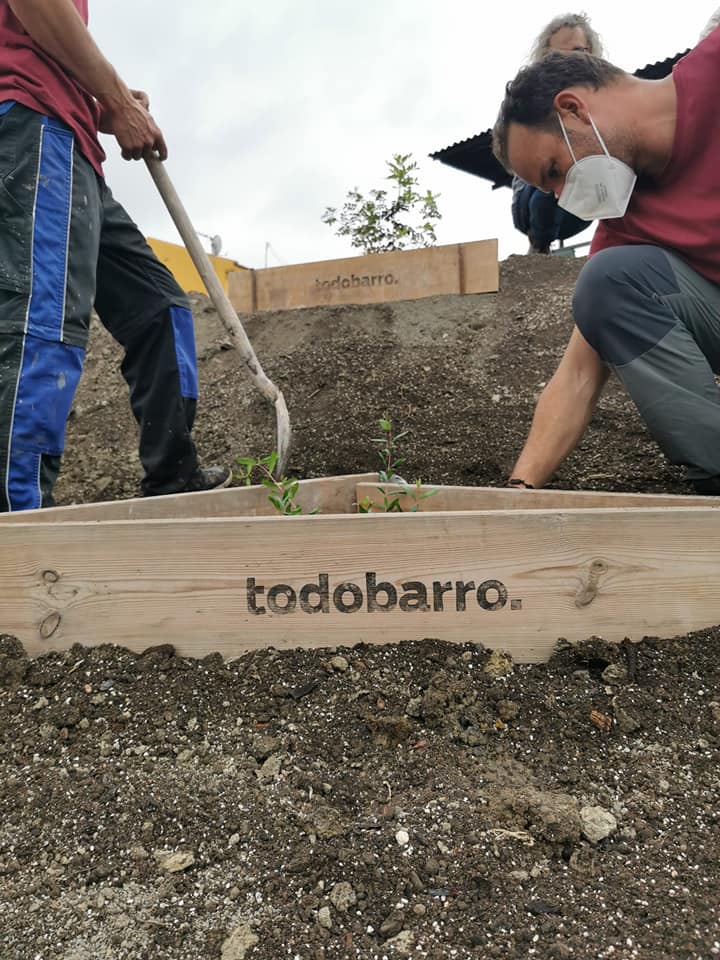
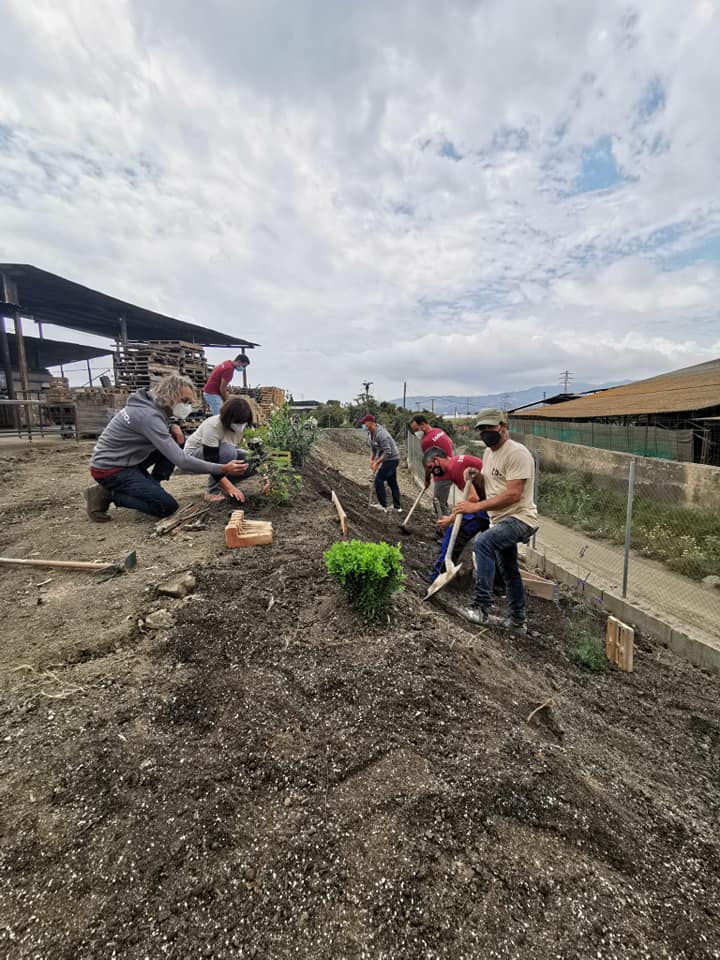
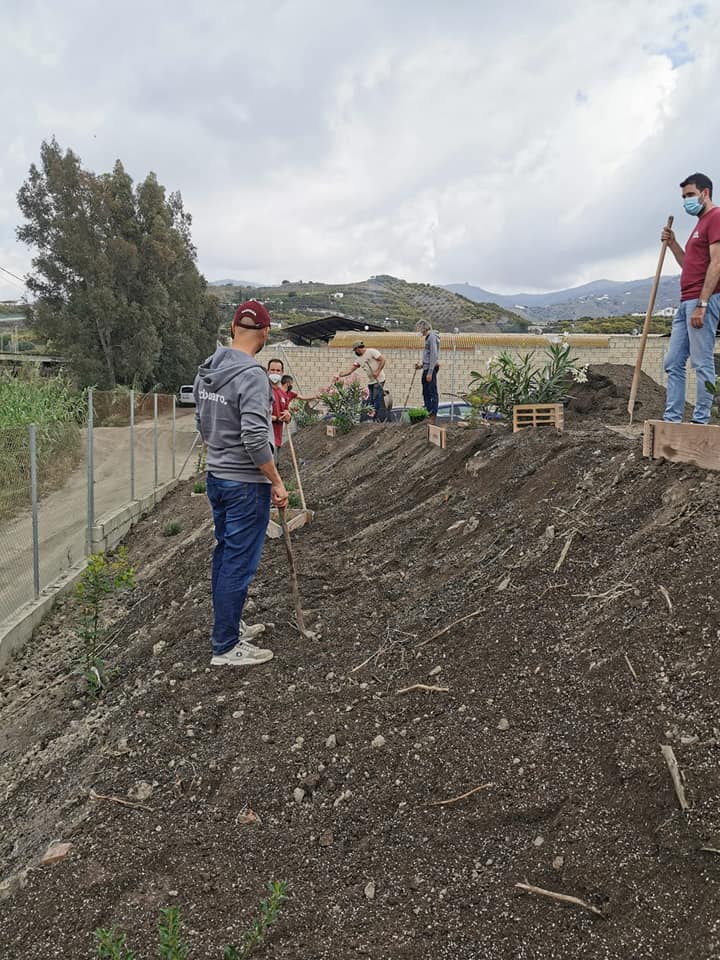
At todobarro, we decided to implement a strategy of ecologization of our production environment, partly through these islands of Alboranic biodiversity. Thanks to the expert assessment and guidance of our partners from AGUESA, a subsidiary company of Soluciones Basadas en la Naturaleza de Málaga, or SbN, we could determine the exact placement and extension of our island.
The Soluciones Basadas en la Naturaleza conglomerate is a multidisciplinary group of entities and companies in Málaga interested in deepening the application of the Nature based solutions approach in our local environment. In collaboration with the Provincial Council of Malaga, a Guide for the Application of Nature-Based Solutions in the Province of Malaga was published in February this year.
This document contains fifteen theoretical project files consisting of NBS strategies designed specifically for the province of Malaga. File number 7 is entitled “Alboran biodiversity islands.” This experimental model was developed in a research project led by Dr. Enrique Salvo Tierra, professor of botany at the University of Malaga, in collaboration with the Mediterranean Office of the International Union for Conservation of Nature.
The objective of this project (todobarro is the first entity to implement it) is complex and multifaceted. On the one hand, we aim to protect the slope on which the island is located. As it is a steeply sloping terrain with no vegetation, when there are floods, runoff is generated that could eventually cause the collapse of the adjacent structures, which will end up acting as retaining walls without being prepared or designed for such a purpose (which is both useless and dangerous).
Planting the selected species will create a network of roots that can absorb excess water to a large extent, while also holding the slope material in place to prevent rain from washing away the soil. Furthermore, as explained by our colleagues at AGUESA:
these Biodiversity Islands that we are going to create with endemic vegetation will provide an environment with much greater environmental value and ecosystem services than previously existed. In addition, they will restore the soil and species of fauna and insects that previously could not thrive in the area. Scrubland and undergrowth will be created, providing important habitats for the recovery of the environment and increasing its environmental value.
Thirdly, in keeping with both the spirit of todobarro and AGUESA, with these Alboran biodiversity islands we aim to restore the traditional irrigation system using irrigation channels. This system harnesses and channels rainfall and natural water bodies and becomes part of the ecosystem. Like our clay ovens, the irrigation channel system has its origins in the Andalusian Middle Ages.
Ecotejar: a small contribution to the environment
Our ultimate goal is for our Alboran biodiversity islands to serve as environmental compensation for the industrial activity carried out in the tile factory. Our commitment to the environment has led us to implement practices that are as sustainable as possible. Our kilns are fueled by agricultural waste from local pruning. The terracotta tiles and glazed tiles are dried in the open air, and single-use plastic has disappeared from our lives.
However, all commercial activity inevitably leads to environmental degradation. The biological activity of our islands is also intended to compensate for the CO2 and dust emissions that are inevitably released during the manufacturing process of our clay floors.
We want to establish a symbiotic relationship with our production environment: restoring some of the resources we take from the earth while providing an ecosystem service to the environment. The Alboran biodiversity island will protect our tile factory from flooding and unwanted winds, and in return we create the most ideal environment possible for local fauna and flora.
We hope that through this initiative, other tile makers will join the artisan sustainability movement in which we so strongly believe. Eco-tile making is an easily applicable and replicable concept that requires, above all, willingness and environmental awareness.
What are we going to plant in the first phase of creating our Alboran biodiversity island?
- Two holm oaks
- One carob tree
- Two olive trees
- Five palm hearts
- Forty lavender bushes
- Forty rosemary bushes
- Five strawberry trees
- Fifteen common boxwood bushes
- Fifteen laurustinus bushes
- Five laurel trees
- Ten oleanders
- Fifteen myrtle bushes
This planting marks the beginning of a long-term project in which we aim to grow our Alboran biodiversity island into an Industrial Green Belt, designed to sequester as much CO2 and emissions as possible throughout the area.
Top stories
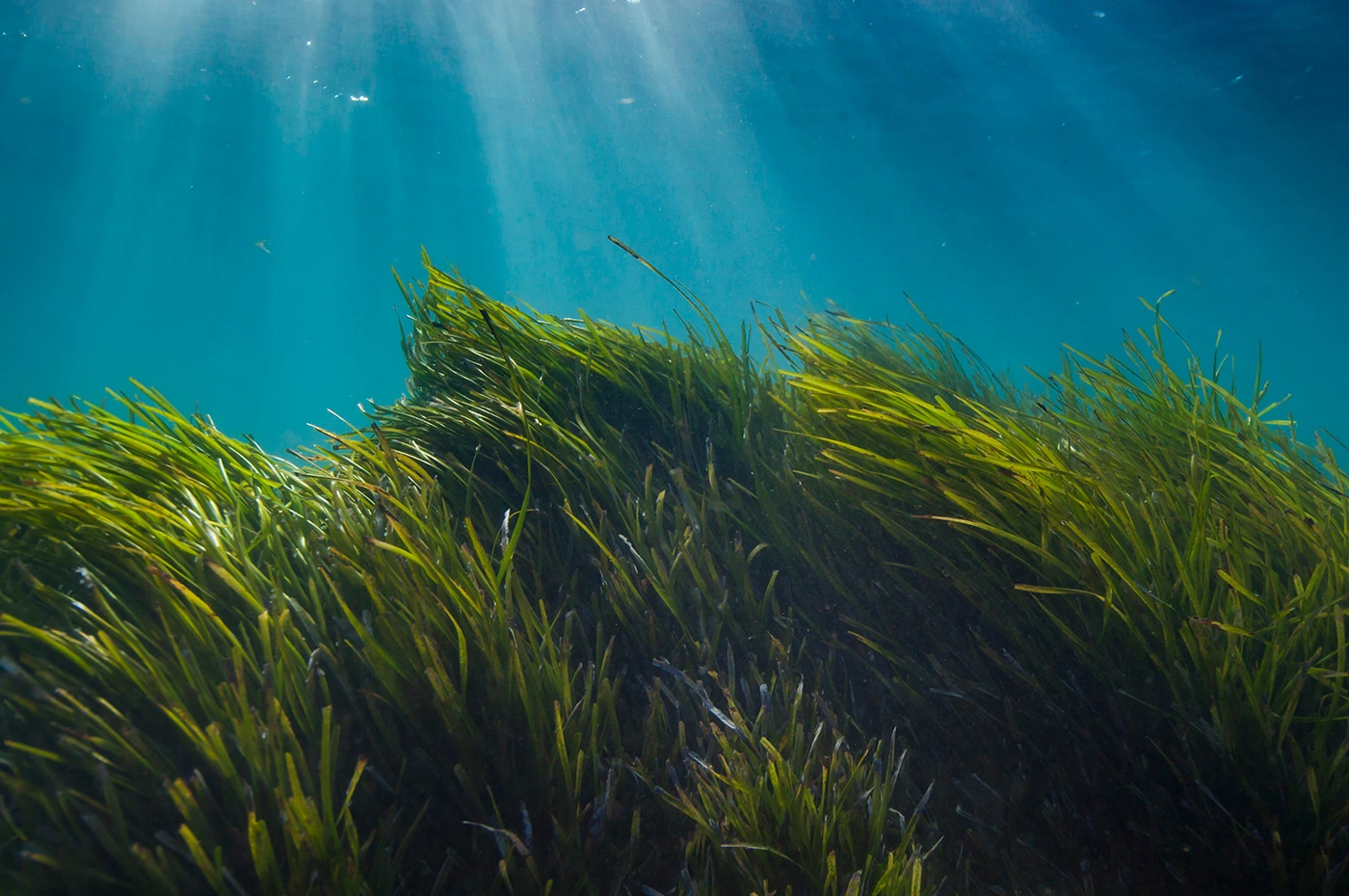
What is the Nature Restoration Law?
The Nature Restoration Law is a European regulation approved in 2024, aiming to ensure the necessary actions and initiatives to repair damaged ecosystems and…
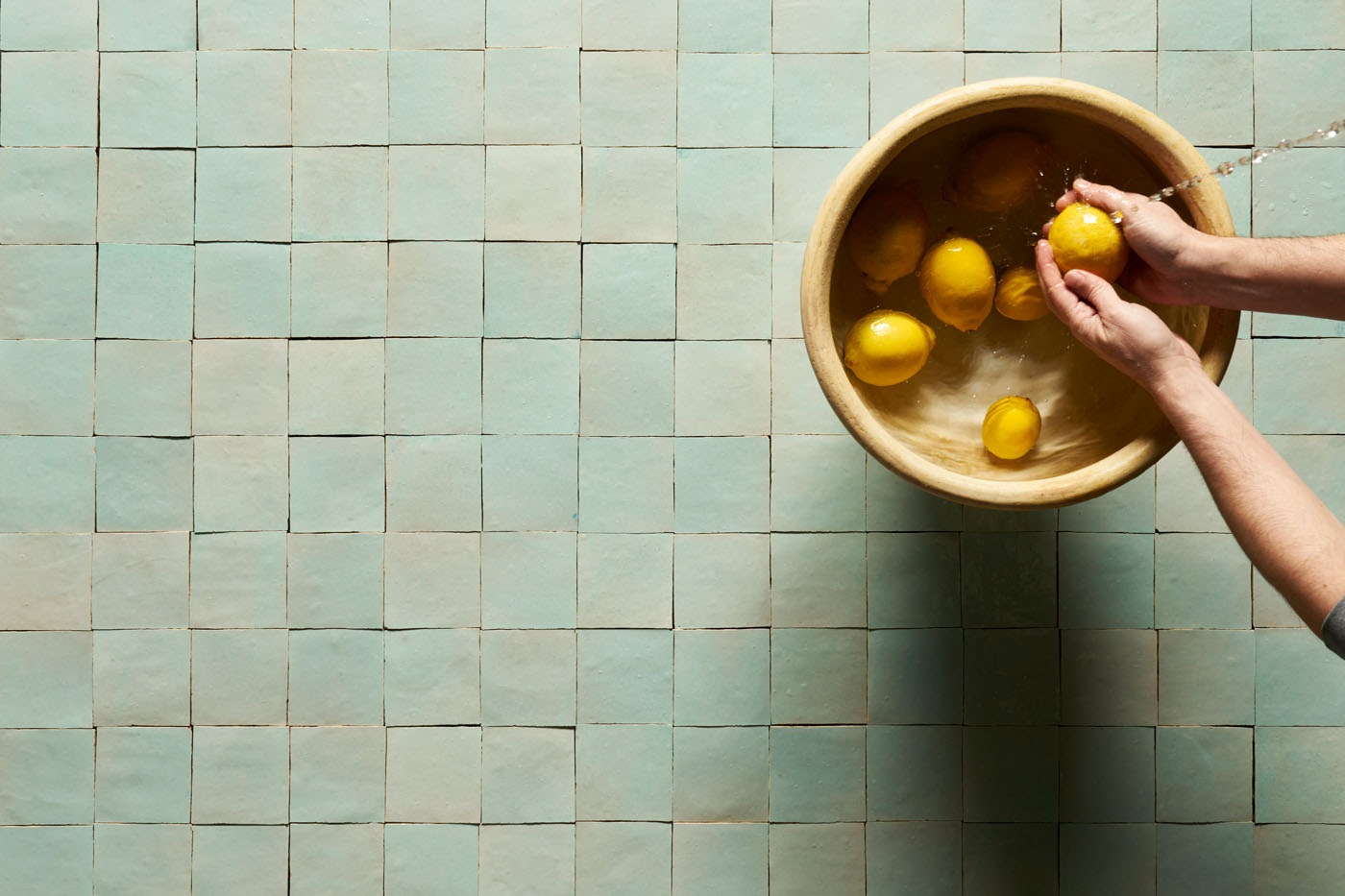
Acequias or irrigation ditches: an ancient knowledge making its comeback
“Acequias” (ditches) are one of the oldest existing systems of channeling and use of water. In the Iberian Peninsula we know them well: the…
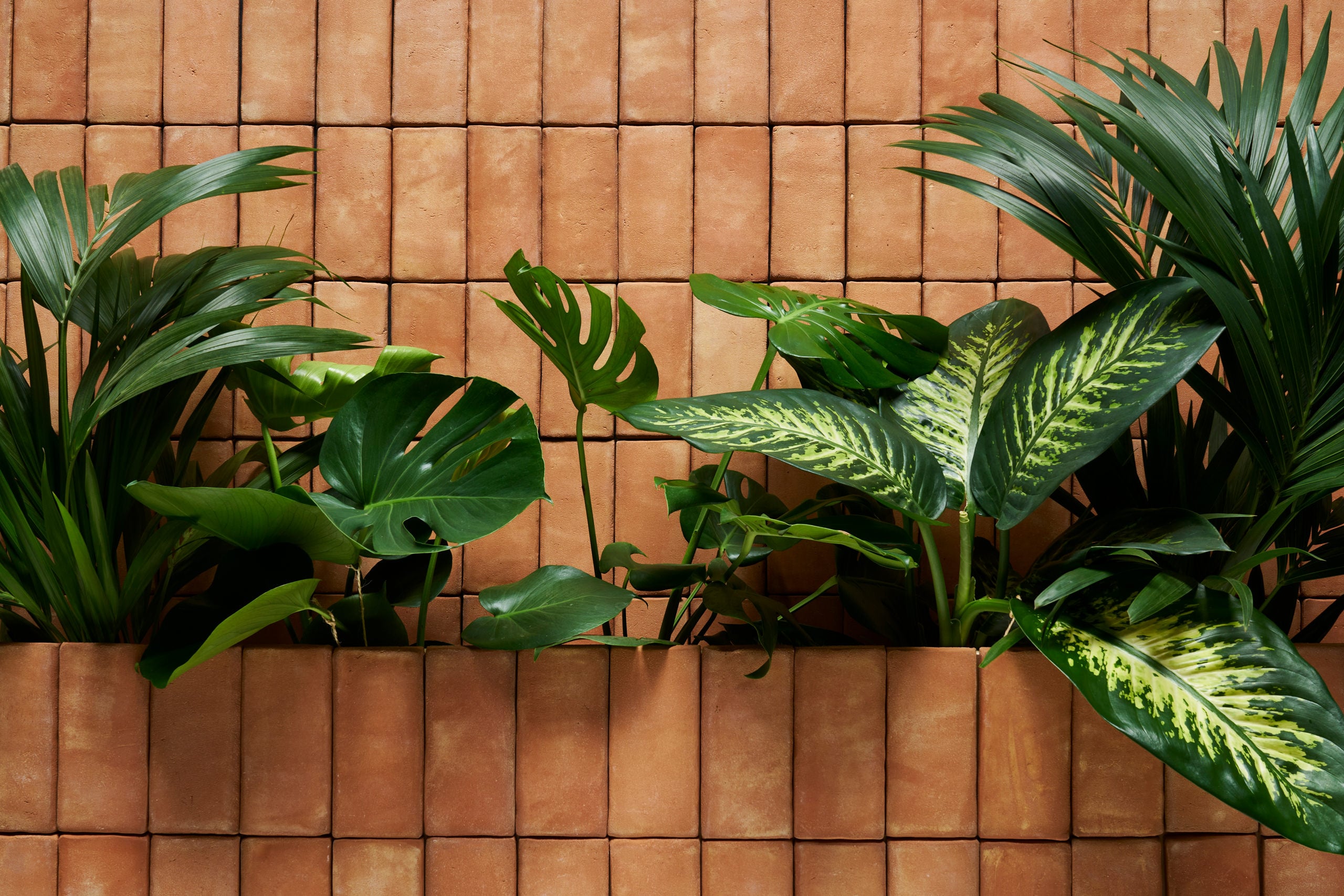
What is a compensatory measure?
By definition, a compensatory measure is an action aimed to restore or repair de negative environmental impact of any give activity -usually of a…
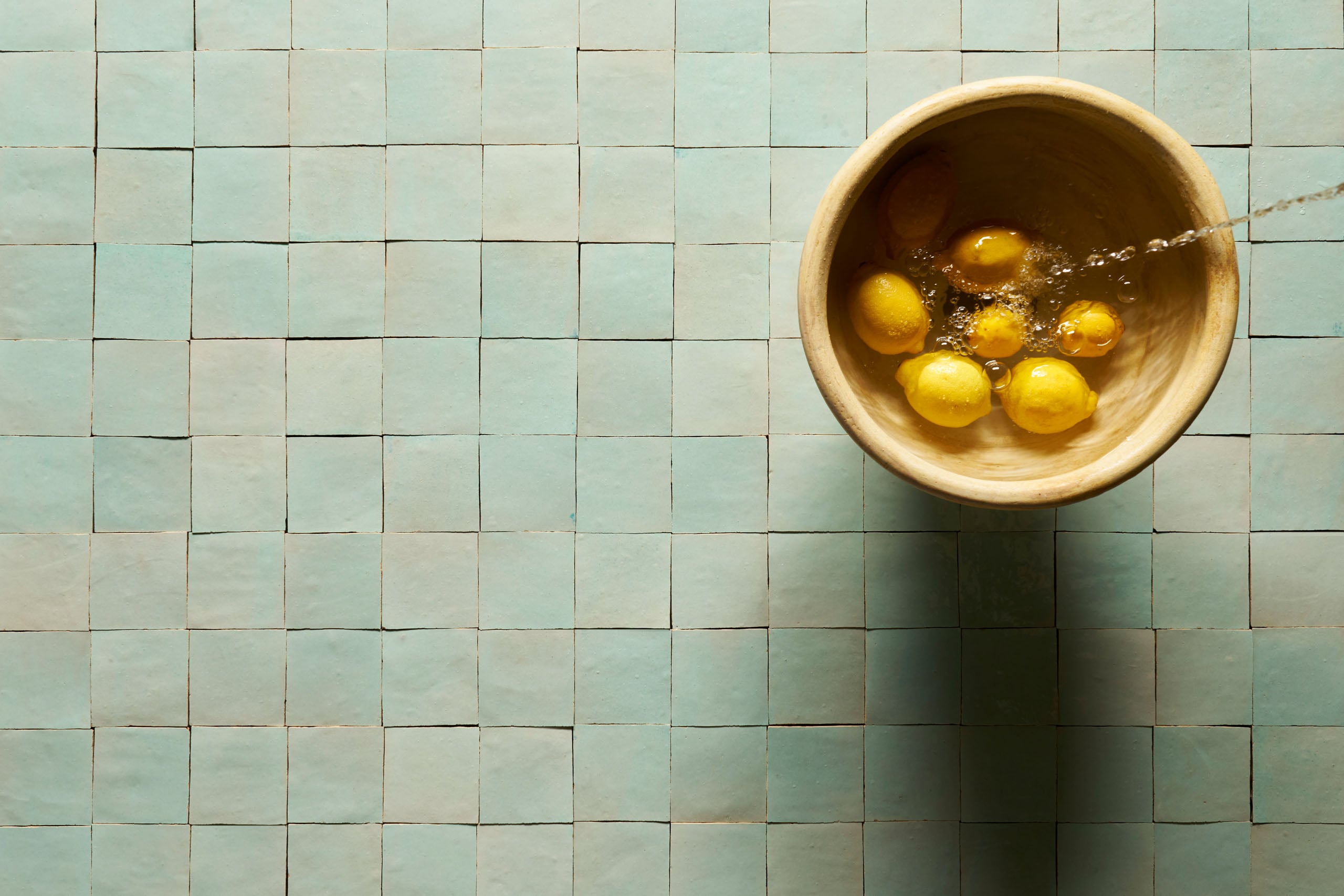
What are Zellige tiles?
The word zellige means ‘polished stone’ in Arabic. It refers to a type of traditional tile and mosaic technique characteristic of Morocco and the…
