

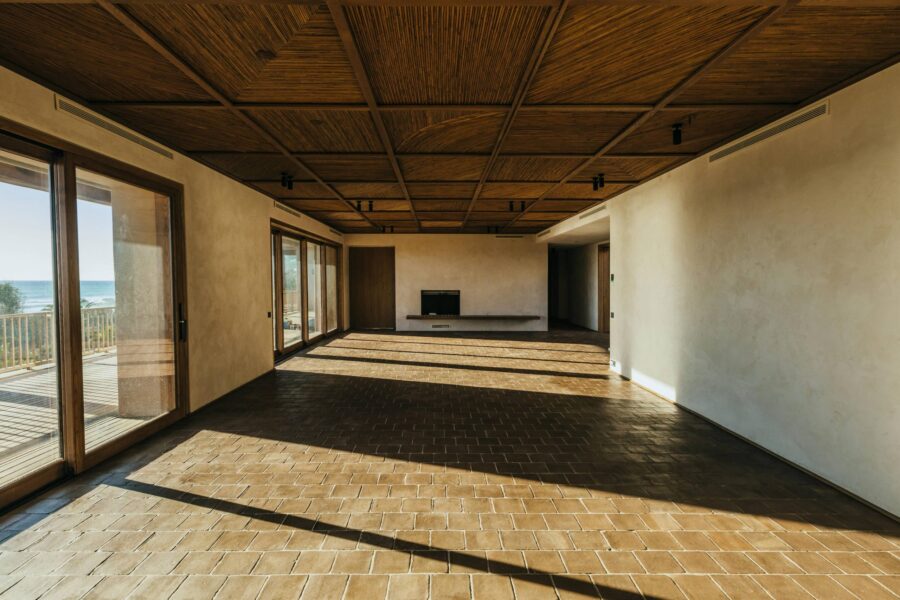


Maintenance guide for a terracotta floor
Instructions, tips and perks of following the recommended maintenance of our fired clay tiles
Maintenance for a terracotta floor
Our artisanal terracotta tiles are made with both cutting-edge technology and ancestral techniques. A good terracotta floor is practically eternal, as long as it is properly cared for.
Fired clay is a porous, highly absorbent material. Those features make it the perfect ally for the wellbeign of the people, animals and plants around it, for it is that permeability that is responsible for the hydro-thermal confort that terracotta floors and walls bring to the space.
However, those same commendable features make terracotta vulnerable to the passage of time, to the exposure to the elements and to inappropriate or intensive use. That is why keeping the correct maintenance habits is vital to guarantee the floor or wall’s quality intact over time.
Procedure to properly maintain a terracotta floor
Before anything, we must distinguish cleaning from maintenance. This guide only refers to the routine steps that need to be taken in order to guarantee a terracotta floor’s good health medium and long term, and not to the recommended measures for its day-do-day or post-installation cleaning, which you can check in our guide for cleaning todobarro’s floors.
That said, it is necessary to stress that any and all actions required for propper maintenance must be carried over a clean and dry floor. We recommend to carry out that previous cleaning with a vacuum cleaner, and/or with pH neutral detergents. In the absence thereof, clean water can be used instead.
Once the floor is clean and dry, these are the steps to follow:
- Dilute in a bucket of clean water (5 liters capacity, aprox) 125 ml of Cerabric: a cleaner and polishing product that protects the floor from transit, acts as a moisturizer, allows for clay’s transpiration and effectively cleans the remains of stains and dirt.
- Saturate the mop in the aforementioned solution and thoroughly drain it before dragging it evenly through the surface aimed to be maintained. Make sure there are no pools or accumulation of liquid.
- Leave the floor to air dry for at least 20 minutes before stepping on it.
General maintenance recommendations
- Never use detergents, alcohols, bleaches or ammonia to clean or maintain your floor, since the chemicals on those kinds of products could interact with the chemicals on the products used to give the floor its finished look, altering its appearance or even rendering it unsafe.
- In case you don’t have access to Cerabric, use another noble plant-based wax diluted in water for your maintenance routine, and a slightly damp mop for its application.
- We recommend using adhesive felt on the parts of heavy furniture that are going to friction against the floor, specially those pieces that are expected to be dragged around or moved often, to avoid scratching. Aditionally, we advise to avoid dragging heavy objects that have a black colored rubber protection, since the motion could leave tracks on the tiles. Even though in most cases these marks are easily erased with day-to-day cleaning measures, it is best to avoid them to protect the integrity of the tiles in the long run, particularly if the marks are to be reocurring.
- Avoid deploying any kind of plastic coverage over the floor for extended periods of time (like a portable plastic pool). This would prevent correct transpiration and therefore the evaporation of humidity would be interrupted, which encourages the appearance of mold and saltpeter over time.
- Eliminate any source of continous dampness or moisture, like water leaks from broken pipes, or an uneven floor where water pools. Avoid also the regular presence of fluids that are corrosive of damaging to the material, such as alcoholic drinks, oils or urine.
Materials needed for maintenance: a mop bucket with wringer, a functional mop, and at least 125 ml of Cerabric or a similar product.
Other things to consider
- Apply the maintenance products at a room temperature between 40º and 95º F (5º to 35º C).
- Clean your maintenance utensils with water.
- Leave a drying time of at least 20 minutes.
- Maintenance should be carried out in accordance to the use the floor receives. Under the most common circumstances, it is advisable to do it once a week.
Perks of following our protocol for terracotta floors maintenance
- The cleaner-polishing product acts as a moisturizer, avoiding your floor to look dry or parched.
- Both our products and the products we recommend for its maintenance are eco-friendly. They respect your heatlh and the environment’s.
- Keeping a terracotta floor properly maintained allows the pieces to transpire correctly, which intesifies the feeling of warmth that fired clay gives indoors.
- This protocol is effective against stains and delicate with any previous or posterior treatments the floor might receive.
- It avoids dirt build-up. It does not need rinsing, and it smells clean.
You can download here todobarro’s maintenance guide for terracotta floors in PDF


Top stories

What is the Nature Restoration Law?
The Nature Restoration Law is a European regulation approved in 2024, aiming to ensure the necessary actions and initiatives to repair damaged ecosystems and…
Acequias or irrigation ditches: an ancient knowledge making its comeback
“Acequias” (ditches) are one of the oldest existing systems of channeling and use of water. In the Iberian Peninsula we know them well: the…
What is a compensatory measure?
By definition, a compensatory measure is an action aimed to restore or repair de negative environmental impact of any give activity -usually of a…
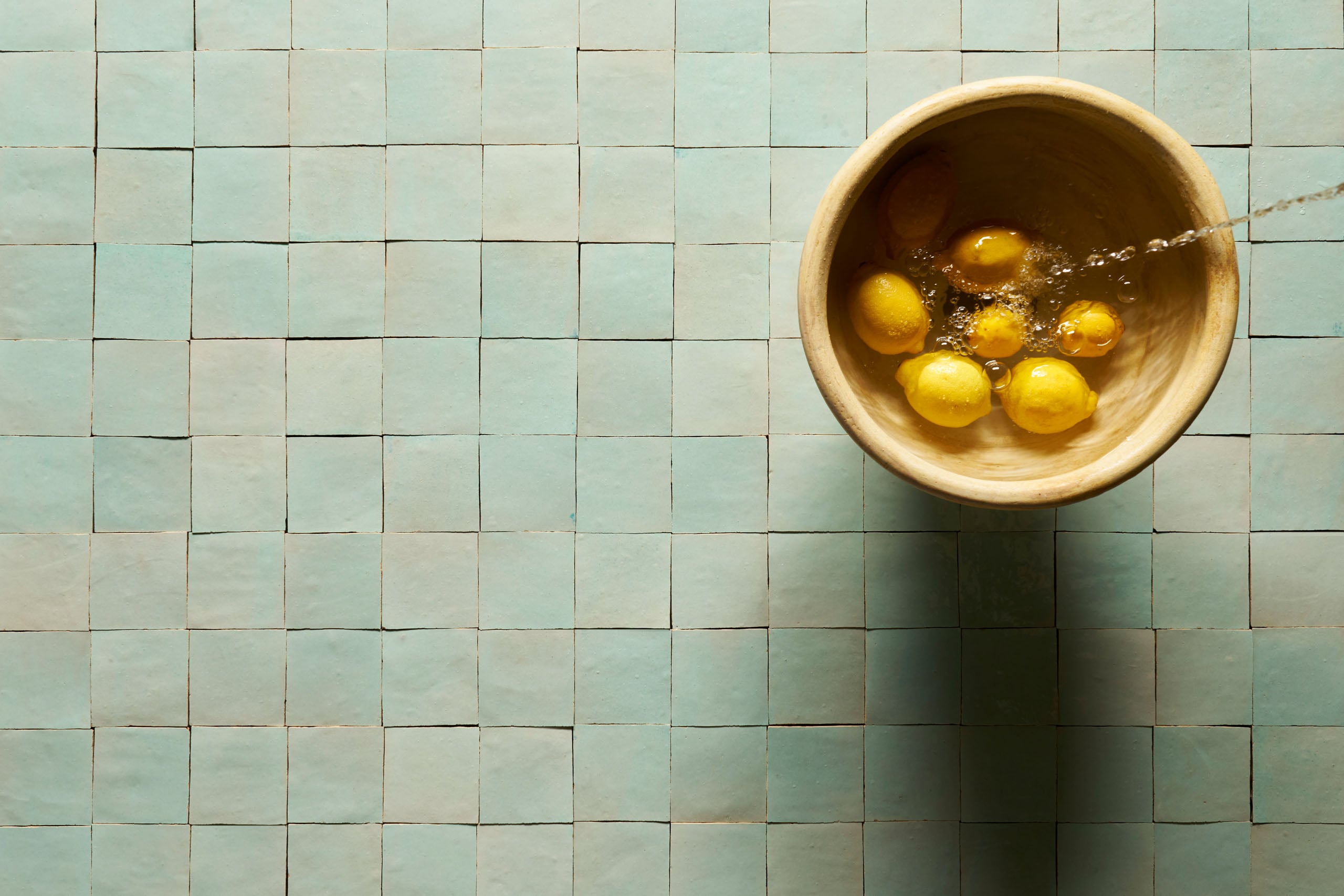
What are Zellige tiles?
The word zellige means ‘polished stone’ in Arabic. It refers to a type of traditional tile and mosaic technique characteristic of Morocco and the…
