



Update on the BIOECOREST project: using the Guadalquivir sludge to foster marine regeneration through circular ecology
We're months into the BIOECOREST project of natural restoration through clay's technologies, and we can already talk about fascinating results. This is what has been happening at todobarro's lab.
Last year on our blog we talked about a research project that was in its early stages. It was about investigating how clay technologies could contribute to the restoration of marine and river ecosystems affected by the climate crisis, using as raw material the sludge that comes up from the Guadalquivir’s riverbed everytime it is dredged to make it navigable (which is often).
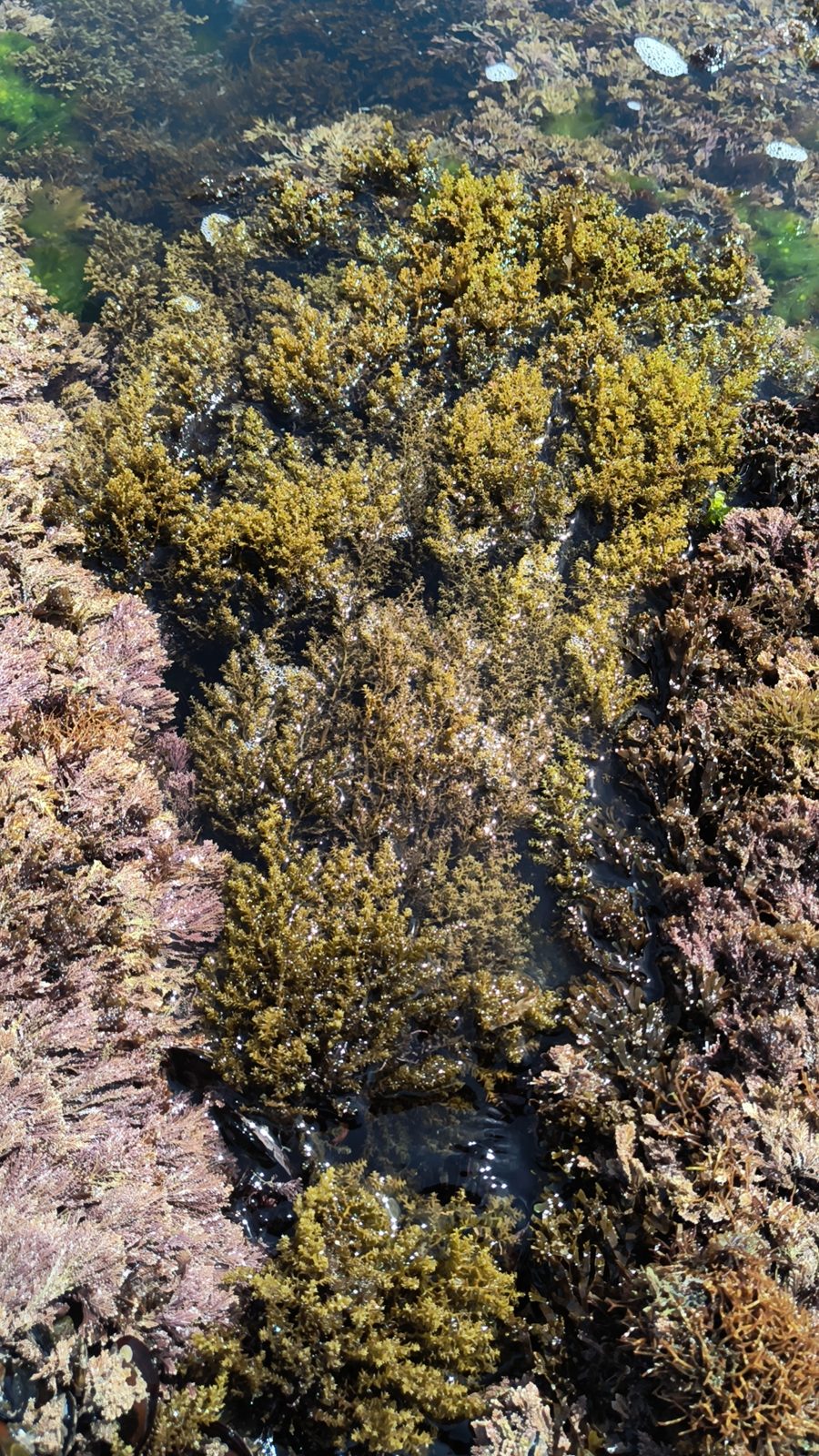
Just like soil desertifies on land, and landscapes become more and more homogeneous, the same happens under water. Areas that previously held marine forests are now big extensions of inert rock. Among the great biodiversity loss that our coasts have suffered in the last few decades, the Cystoseira or Ericaria communities have taken a big hit. This genus of brown algae constitutes the base of marine forests in the Mediterranean sea and part of the Atlantic ocean, and it’s been dramatically affected by global change. Invasive species, pollution, overgrazing by herbivorous species, and, of course, the climate crisis are all factors in said change.
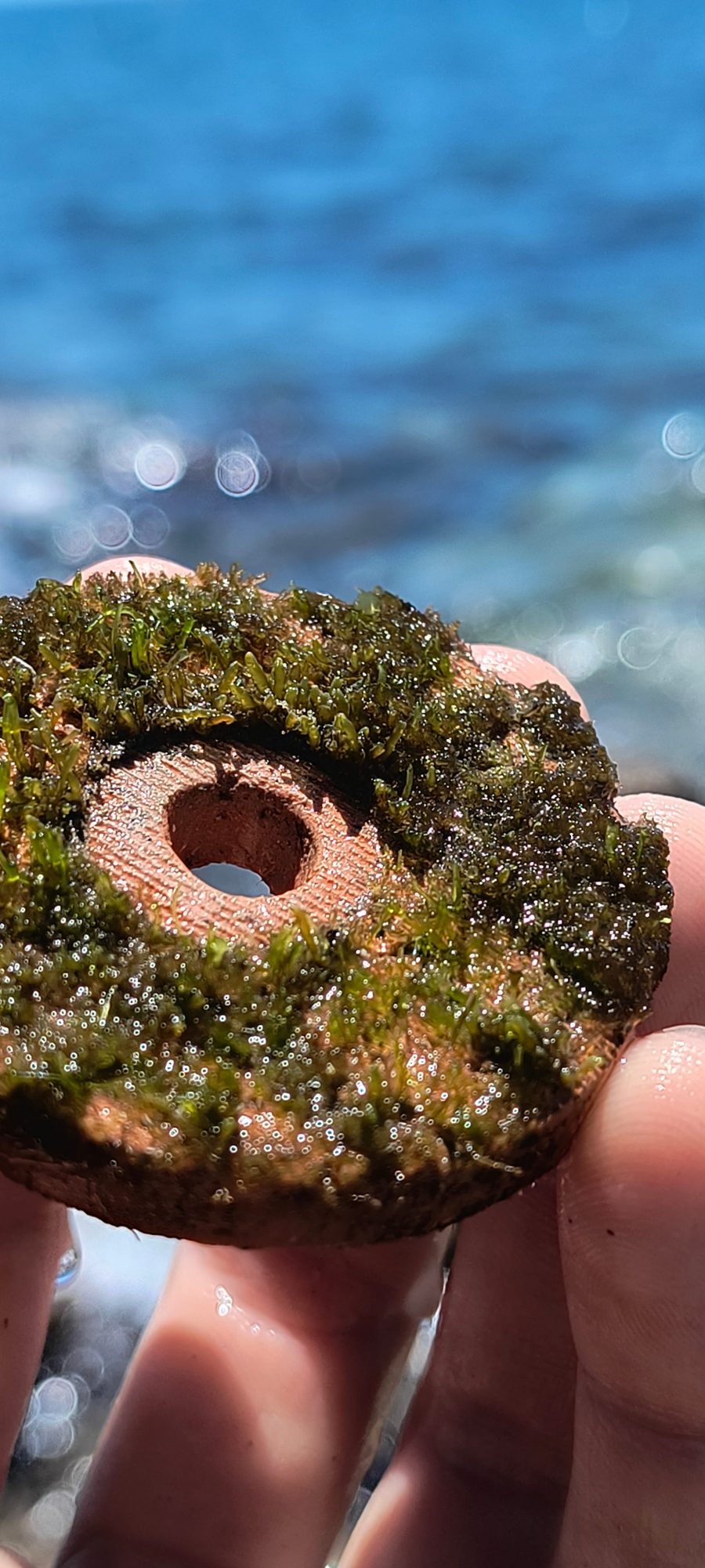
Over the last year we’ve tested in our lab different ceramic compositions, commercial and of our own, aimed toward the creation of substrates to regenerate the species Ericaria selaginoides with. At todobarro’s lab we’ve developed circular formulations, combining the Guadalquivir’s sediments with other raw materials we keep exploring. Besides investigating and experimenting with the substrates, we narrowed down the prototypes to the clay discs we currently use, where we sow and cultivate the E. selaginoides juveniles.
After months of work in the lab, we moved on to the next phase of the project. We took the germinated substrates to the work field to test their efficiency on site. This repopulating technique with artificial support is not new, but it had never been tested here, or with the innovative circular approach we are taking, creating substrates with local raw materials.
First in situ BIOECOREST pilot in the Alborán Sea
The Costa del Sol is a profoundly intervened and urbanized territory, and it has a big percentage of sandy beaches. There are not many places in our shores that have the rocky areas capable of providing the necessary conditions required for benthic communities (that is, of those beings that inhabit the seabed) to thrive.
Rock is the base upon which flora and fauna colonize. It is on it that ecological succession happens, where habitats are formed that attract and sustain marine life, like E. selaginoides. Our first pilot is developed in one of the few enclaves that serves as a “sanctuary” for marine life: the rocky platforms of the South-West coast of Málaga. In this corner of the region there is an unprotected, highly biodiverse area, a true marine garden within the province, which is home to a E. selaginoides population that is the ideal donor for BIOECOREST given its good condition.
In our first pilot we face multiple challenges at the same time. While we adapt the technique to the species and place to optimize success rates, we give an answer to the natural and human processes happening around us in real time: fishing, stepping on, harvesting, and colonization of the asian algae. If there is something this project is teaching us is that it is alive. And over the course of this year, we have witnessed the engagement it created with its environment when we apply circular ecology concepts.
How do we plant algae in the sea? A project that engages with its environment
We develop our pilot project in an area where locals come to fish. The rocks are covered with mussels that are harvested by our neighbors when it’s the right season, as it’s been done for generations. By making these small harvests, small crevices and cracks are revealed on the rocks, and that is where we install our substrates. Thanks to a pre-existing activity, the project does not need to be further invasive or disruptive to the environment. We screw the cultivated discs (which are biologically innocuous) to the rocks without having to sacrifice other species in order to do so.
Once the discs are installed, a relationship starts to develop between the project and the environment. The planted structures begin to attract a variety of marine species: limpets graze around them and feed on marine detritus, barnacles begin to colonize the area, young anemones, and sea hares find shelter beneath the ceramic’s bioclimatic properties and its “water jug effect.”
But, as any good forest would, it is also a food source: in this case, for herbivore fish like salpas or salemas (also called dreamfish). The excessive proliferation of this fish poses another of the biggest threats for brown algae forests, as these animals act like a “lawn mower”. Even though they don’t completely eliminate the plants, they can significantly reduce the magnitude of their foliage, thus limiting their shelter function, their oxygen production or nutrient retention capacity. Or, even worse, eating the fertile branches. This can cause a funnel effect that reduces the chances of successful reproduction for these plants.
Here is where local fishermen come into play. Their activity is positively affected by the wellbeing of the ecosystem we are trying to help thrive. The better marine forests fare, the better biodiversity does. Flora attracts fauna, which has a major impact on a primary sector as important in our area as fishing is. When done sustainably, it becomes too an ecosystem care agent.
Climate crisis challenges: can we talk about marine fires?
As we will further explain in our blog with an article about E. selaginoides, this algae are monoecious organisms, meaning a single individual has structures which harbor male and female geminal cells. With changes in tide, these cells come out to the water, where fertilization happens and an embryo is formed.
What we do is an in vitro fertilization of the species, based on the knowledge of its biology, sowing the embryos over ceramic substrates that can be installed ad hoc”, says Raquel Sánchez de Pedro, our chief investigator in charge of the project. “This is only possible thanks to basic science, to multiple research and investigations on biology that got to this application, which was pushed forward over ten years ago by research groups like the one led by Dr Annalisa Falace in Trieste, Italy, whom headlined the biggest Cystoseira restauration European projects. Dr Falace is part of todobarro’s external collaborators team, and she firmly believes that the advances through technological approximation led by todobarro will be revolutionary in the field”.
Looking for solutions to bypass the extreme temperatures
Once they get to develop, brown algae marine forests are actually very durable and resilient. But, until they reach maturity, they are highly vulnerable systems. Raquels explains that temperature is one of the most limiting factors for the success of the project. This algae can inhabit coastal environments that are subjected to tidal changes -what is known as an intertidal zone-. This means that E. selaginoides is left exposed to sun, desiccation and UV radiation during the low tides.
“One of the main threats to marine restoration is climate change, particularly in intertidal areas”, Raquel explains. “Heat waves, which, by the way, don’t only happen over the summer, quite literally fry the natural communities and repopulated substrates that are left exposed with the low tides. We can actually talk about marine fires. We are in a race against high temperatures, and we need to find strategies that move forward faster than climate change does”.
To bypass this first obstacle, we’ve been raising specimens fully under water, as it’s been done in other areas of the Mediterranean sea and Atlantic ocean before, in spots that are protected by the shape of the field, while looking for alternatives and solutions that allow for the plants to survive long enough to become resistant to the high temperatures.
Next goals for the project
We are currently in the phase of finding installation strategies that optimize the survival rate of the specimens. We have a sensor that gives us temperature readings in real time to know when and where to plant, and we keep trying different locations based on that information to test how to minimize the forest’s stress during its development.
todobarro has made a strong bet on bioclimatic architecture, and we are taking that approach beyond our cities and buildings. We are already developing new prototypes and strategies that allow us to create more benevolent environments for marine organisms, particularly for this species.
At the same time, we keep investigating and experimenting with different techniques that we pull not just from the corpus of scientific experience, but from the pottery trade tradition that todobarro is so closely linked to (we’ll take a deeper dive on this subject in further articles of this blog, stay tuned).
Once the process is refined in the experimental areas we are currently working on, we’ll get to escalate the operation and take the project to decimated populations that act as recipients, where we’ll be able to actually measure the impact that BIOECOREST has on critical ecosystems that need to be recovered urgently.
Article overseen by Raquel Sánchez de Pedro




Top stories
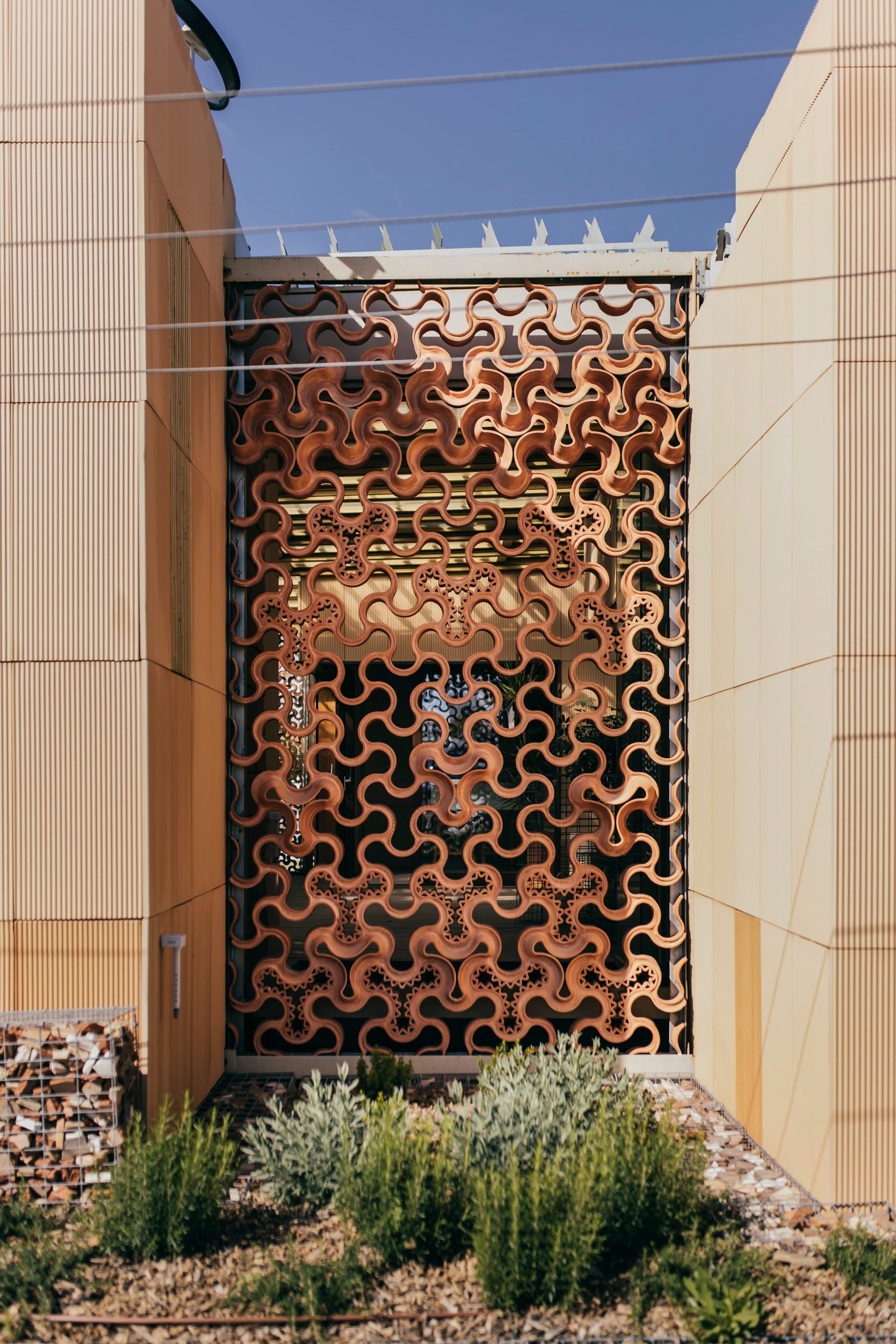
The Malaga College of Architects has selected our Casa Patio project for the 2026 Architecture Awards
More than 120 candidacies were submitted for the 18th edition of the Málaga Architecture Awards, one of the most prestigious competitions in the sector…
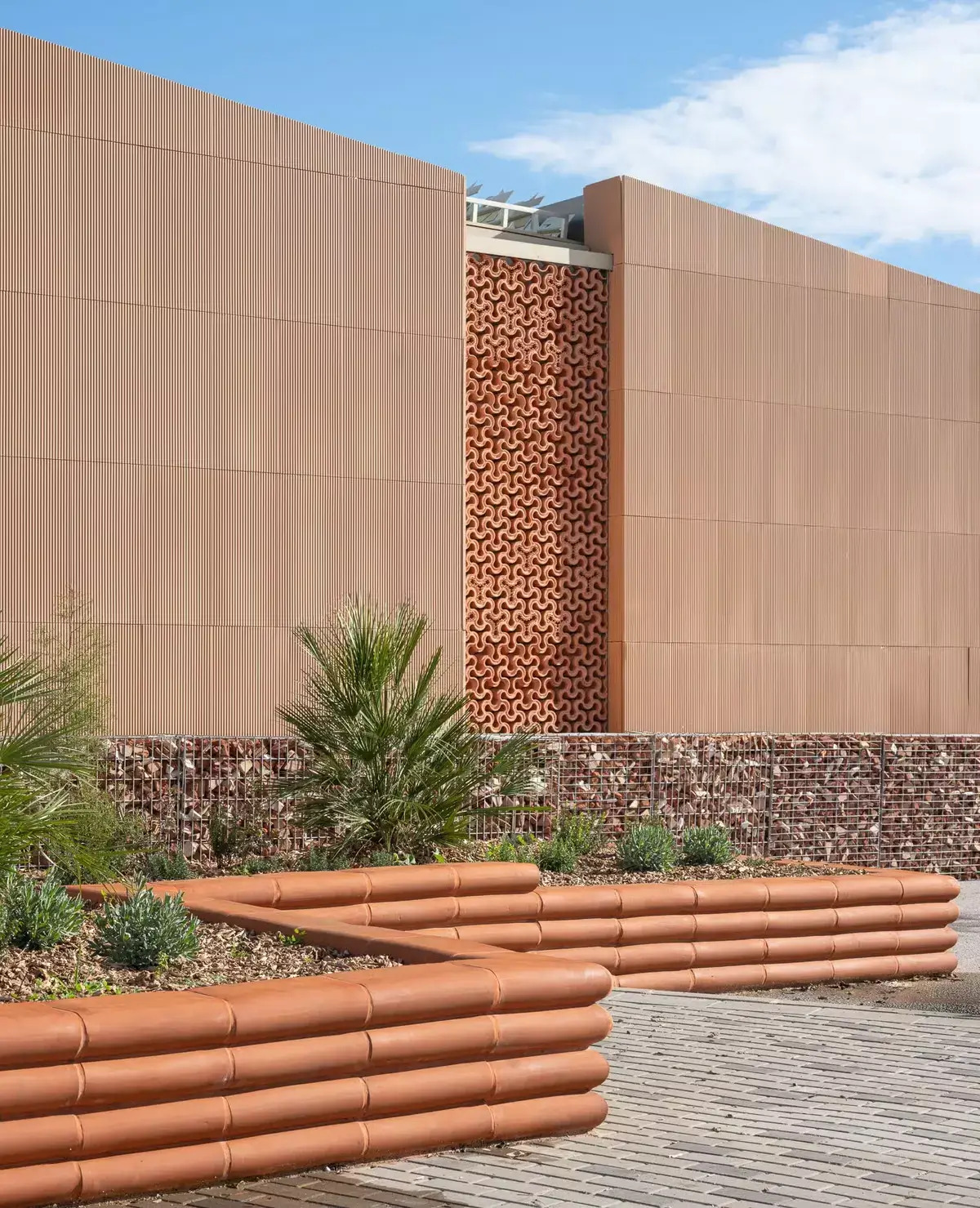
Succesful presentation of “Lab Patio 2.12”: todobarro’s experimental project to cool a house without using any energy
The project “Lab Patio 2.12” is one of todobarro’s research and development initiatives around the possibilities of clay as a bioclimatic material. Last week,…
TERRANIDO project: an initiative to care for the urban birds of Andalucía
All over the cities and towns of Andalucía, a strategic point of the migratory routes between Europe and Africa for insectivore urban birds, swallows,…
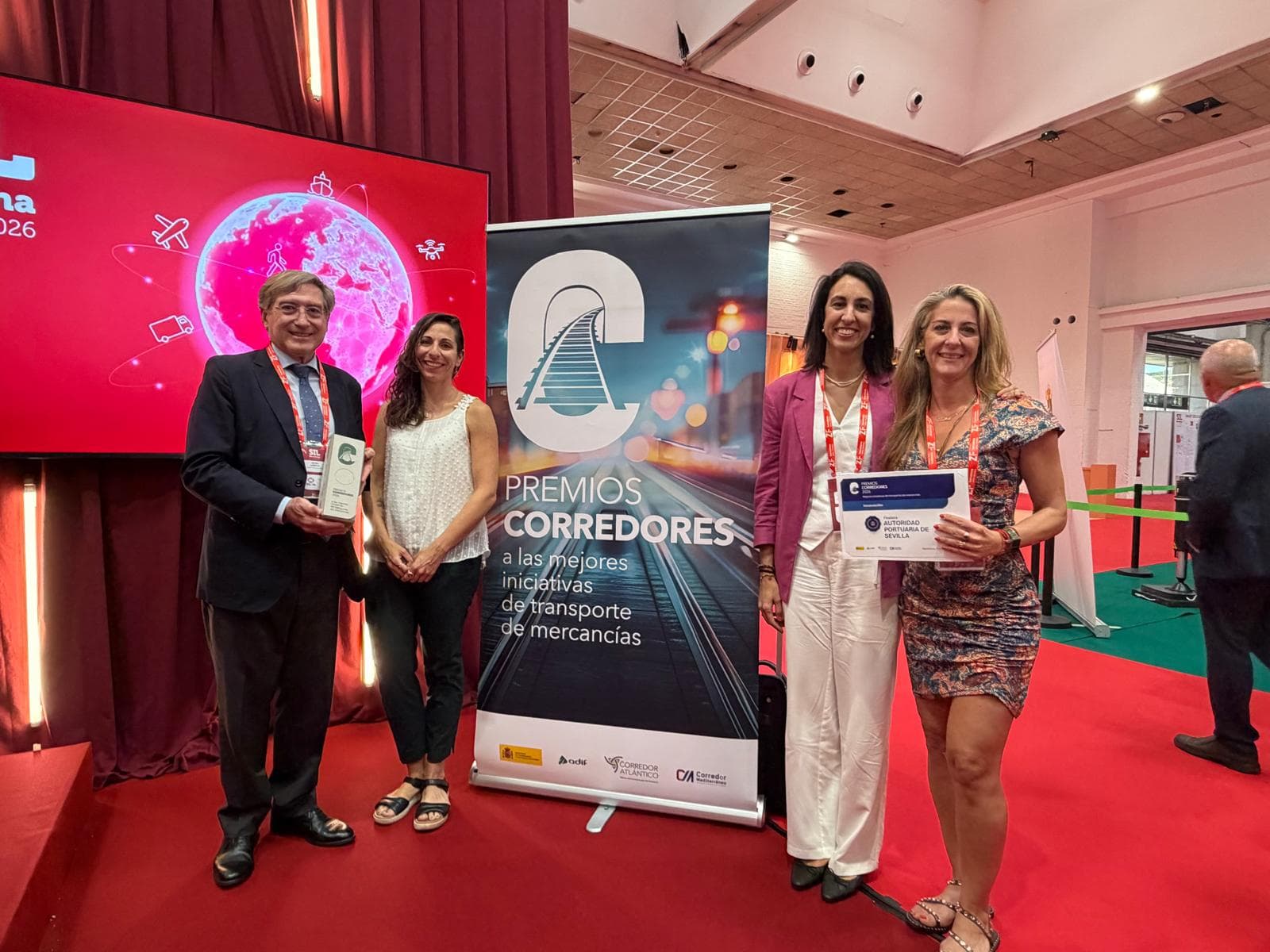
The SAFARI Ports project -partnered with todobarro’s BIOECOREST-, recognized at the Corredores Awards 2026
The European SAFARI Ports project, a strategic partner of BIOECOREST in its river line of investigation through the Port of Seville, has been named…