

Sustainability
Environmental sustainability in todobarro
Anyone that knows us a little knows that environmental sustainability and caring for our surroundings is second nature to us, as much as working with fired clay is.
In our blog we talk about every measure we take towards sustainability: from reparations in our land to the eco-responsibility we imprint in every part of the production process.
This isn’t everything, though: we also divulge information about the techniques, trends and sustainable practices that are carried throughout the world, whether they are brand new or an old tradition.
Committed to the environment
Here at todobarro we think it is our duty not only to try and avoid by all means that our activity jeopardizes our surroundings, but to leave a positive balanced impact on our environment.
To achieve that, we carry multiple initiatives and measures that we recount on our blog.
However, we also consider within our obligations as a sustainable company to do a pedagogical work abou sustainability , ecologism and the urgent need to put into practice measures against climate change.
Articles about ecodesign, energy saving, sustainable materials and urban resilience
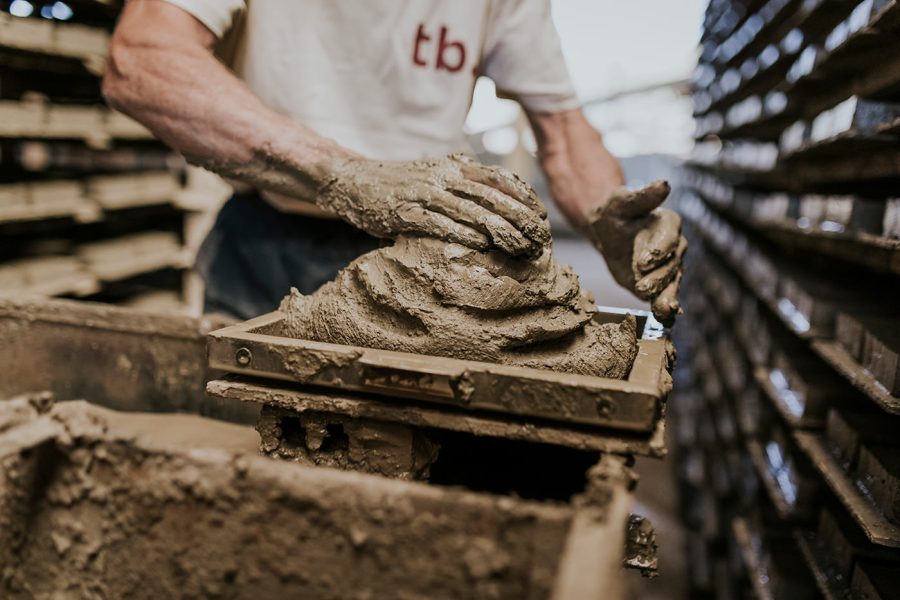
We too explore the role of neo-craftsmanship within our company. We’ve been researching and experimenting for years with the processes of fired clay to find the most efficient combination of design, quality, sustainability and tradition.
The result is neo-craftsmanship.
We deepen into the ethical and moral principles that lead us to invest so many creative resources into thinking and executing preventive and reparational measures.
To do so, we gather expert witnesses, we interview every party involved in our sustainable initiatives and we research what kind of measures are being implemented in other countries and cultures, and learn from them.
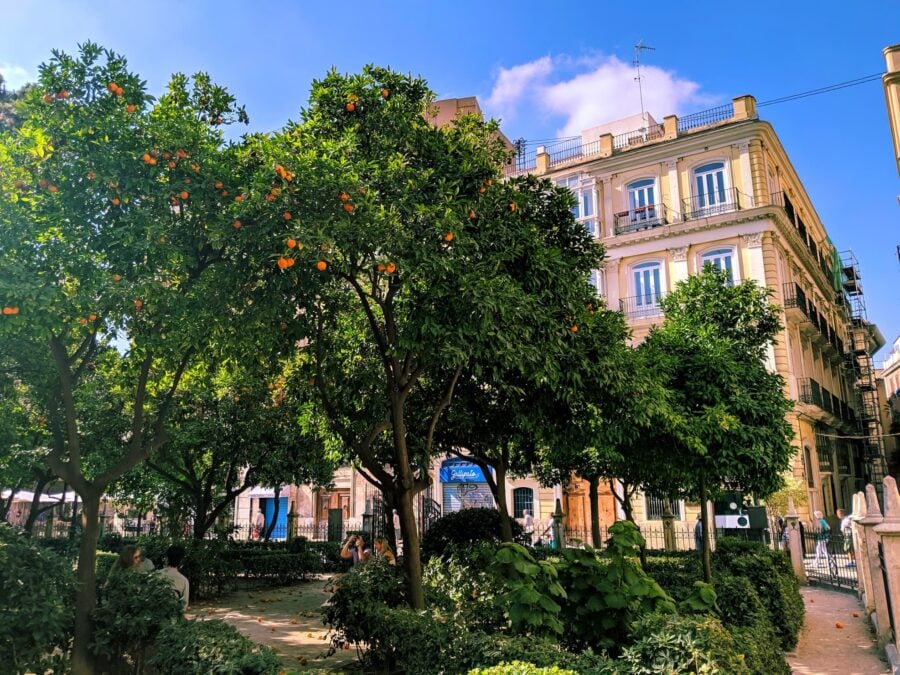
What are climate shelters?
Climate shelters are spaces adapted to provide comfort for both animals and humans in the face of the growing climate crisis that is making…
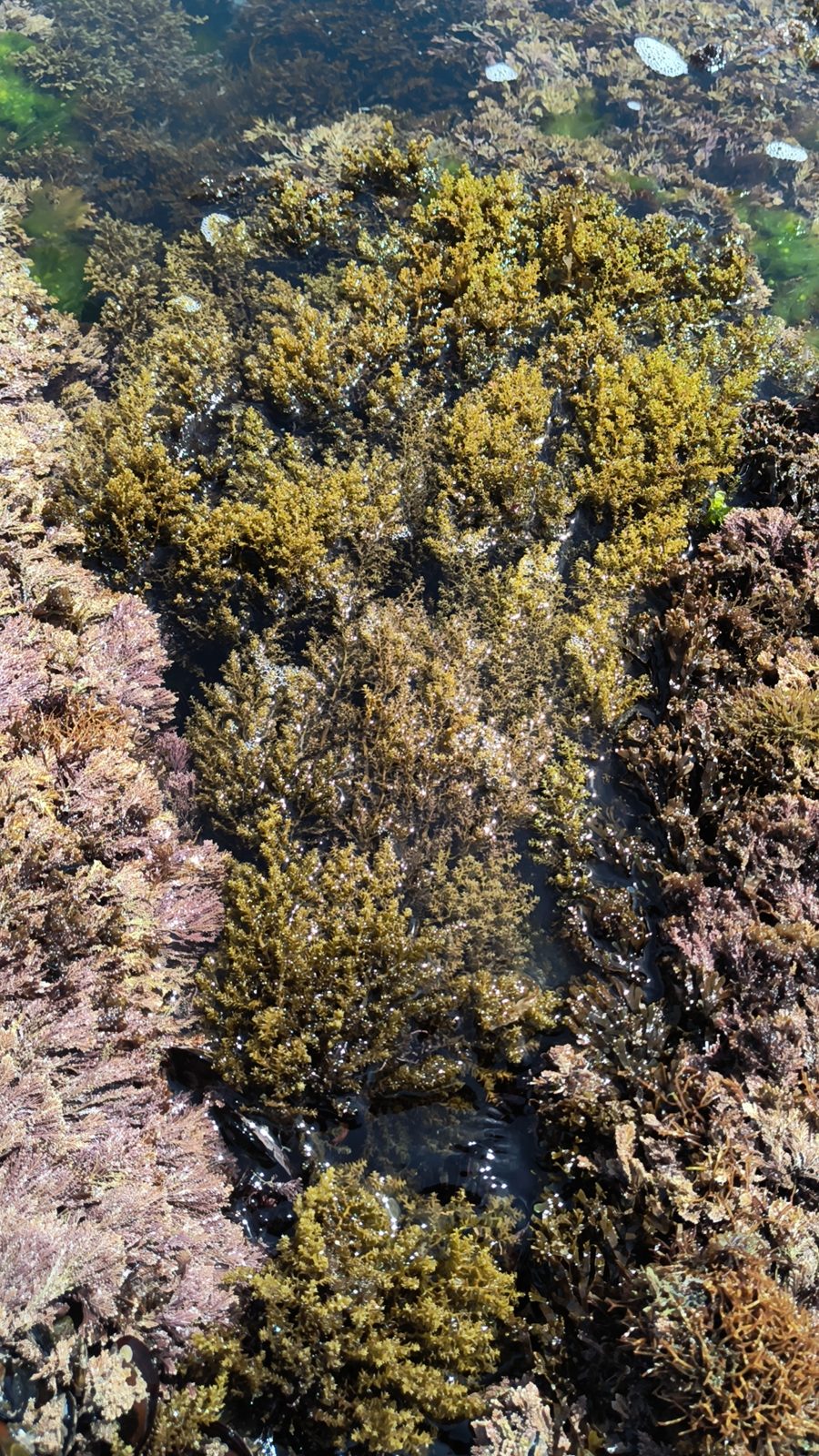
BIOECOREST: a project for the restoration of marine forests
In the last 5 decades, coastal habitats (corals, estuaries, seagrass meadows and marine forests) have been lost at a much higher rate than terrestrial…
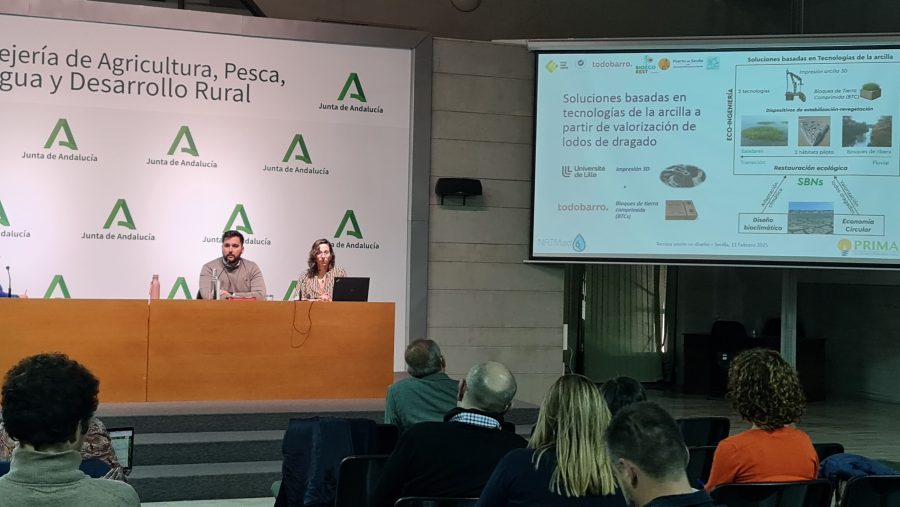
BIOECOREST presented at NATMed (MedCop)
NATMed is an initiative funded by the European Union through the PRIMA program, which works with Nature-based Solutions. These NbS are “integrated into existing…
CONAMA 2024: we participate with a poster on circular economy and bioclimatic shelters
Pedro Guerrero, head of Bioclimatic Research at todobarro, participated last December in CONAMA 2024: the 17th edition of the National Environmental Congress, organized in…
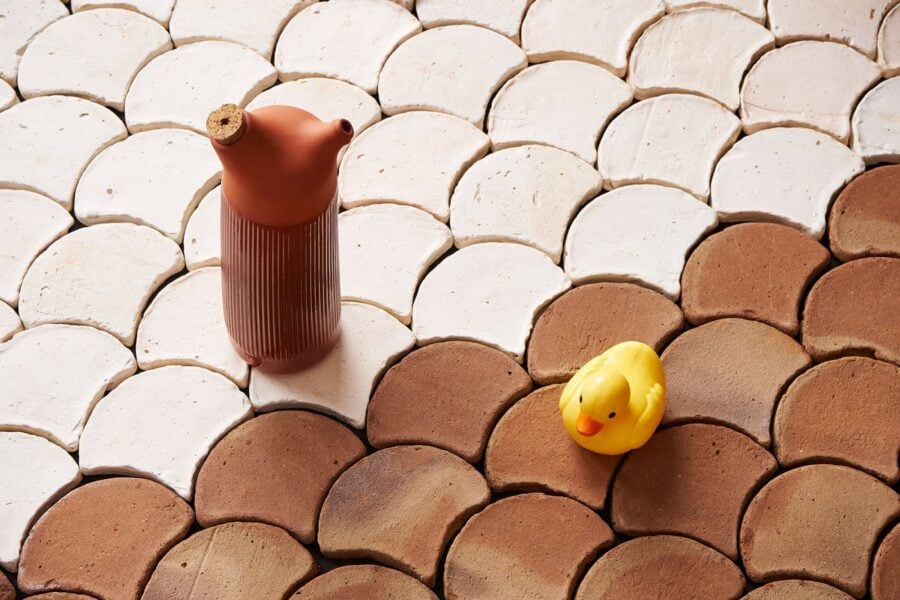
Lab Patio 2.12 on the Campus of the University of Málaga
A few years ago, students from the UMA School of Architecture carried out the Lab Patio 2.12 project at the Teatinos Campus. It is…

Acequias or irrigation ditches: an ancient knowledge making its comeback
“Acequias” (ditches) are one of the oldest existing systems of channeling and use of water. In the Iberian Peninsula we know them well: the…

Sponge cities: a possible answer to the floods (and droughts) of the future
In this house we have been talking for years about bioclimatism and the need to adapt faster than we are doing to the climate…
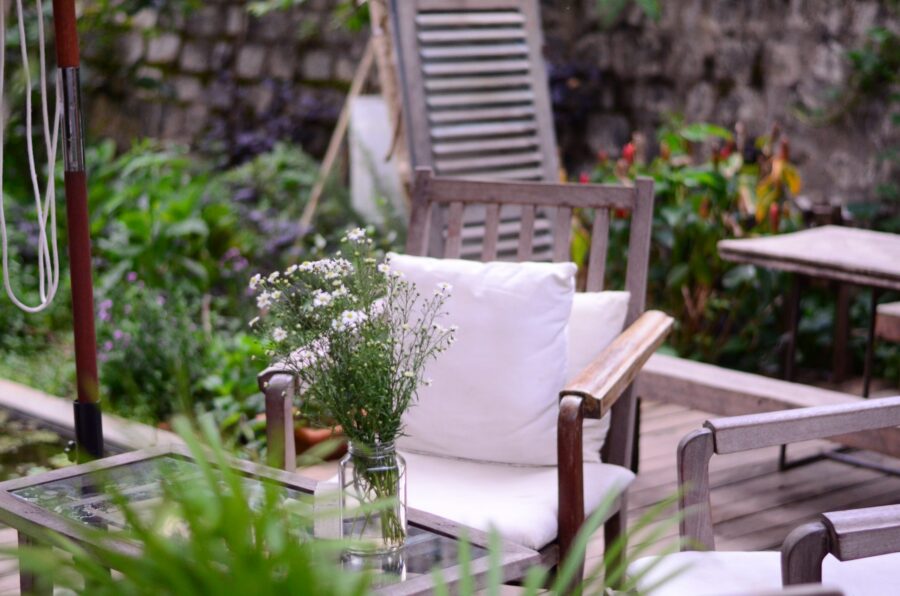
What is vernacular architecture
Among all the measures we need to implement in order to adapt to the world that is coming, the recovery and research of ancient…
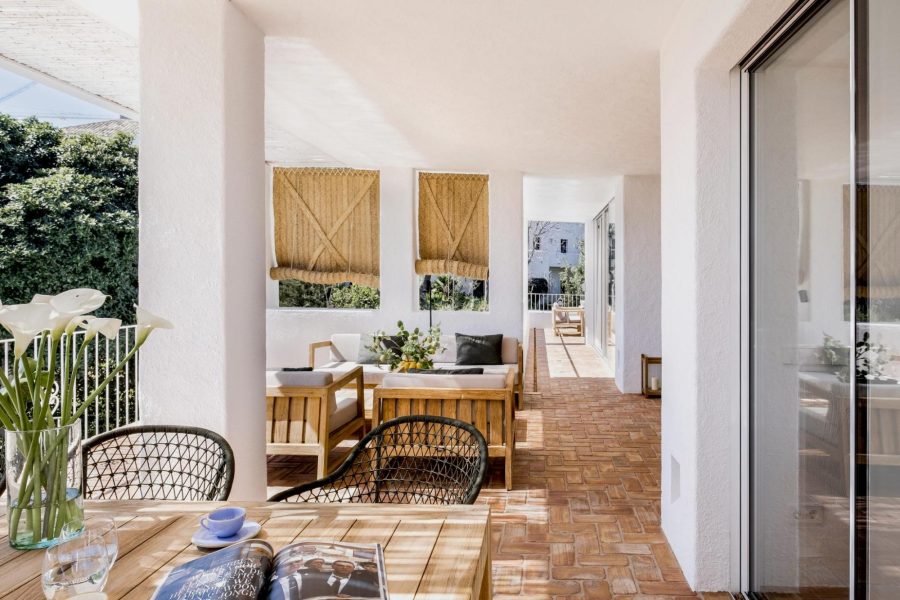
Example of bioclimatic architecture: the Mediterranean patio
Bioclimatic architecture, of which we spoke about in this article, is one that takes into account for its design, planning and construction the climatic…