

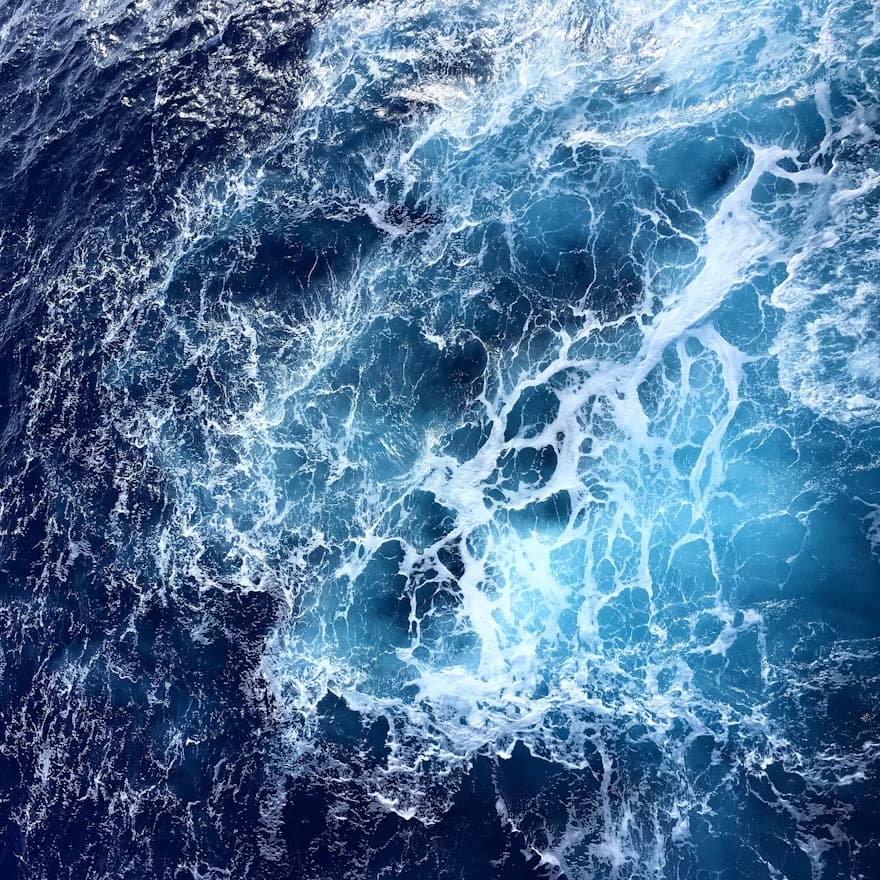


Film forum in Malaga for World Ocean Day: “Ocean, with David Attenborough”
The UNIA-UICN Char invites Raquel Sánchez de Pedro to participate in the discussion that will follow the viewing of the documentary "Ocean, with David Attenborough".
Since the early nineties, every 8 of June we celebrate the World Ocean Day: a date that celebrates, vindicates and educates the public about the importance that these bodies of water have on the wellbeing of the planet. To do that, institutions and initiatives choose different ways to honor this day. And the Chair for the Preservation of Nature of the International University of Andalucía (UNIA) and the International Union for the Preservation of Nature (UICN) has decided to host a film forum, which we’ve been invited to.
Raquel Sánchez de Pedro, our researcher in chief for the BIOECOREST project of marine restoration will participate in a panel of expert voices. We’ll also see there Nieves Cruz Salcedo, from the Department of Sustainability and Environment of the regional government, Pilar Marín Cabeza, from UICN-Med, and Jesús Bellido López, from the UICN Spanish Comitee. The conversation will be moderated by Jesús de la Rosa, from Aula del Mar-CEI Mar UGR.
The film that will be screened and talked about afterwards is “Ocean, with David Attenborough”. The title is that latest addition to a really long collaborative list of films made between National Geographic and Attenborough. Their creative partnership explores and celebrates the biodiversity of our planet through the eyes of the legendary British communicator.
The date is set for next week’s June 8th, and 5PM at the Sede Tecnológica de Málaga, unnumbered Cánovas pier. The inscription can be made through the QR code in the flyer featured down below.
Highlighting the projects that the oceans need
todobarro is the sole private participant that is not related to the organizing entity of the event. It’s understandable, since Raquel Sánchez de Pedro is one of the leading emerging voices specializing on marine alage ecology. With her at the forefront we are developing BIOECOREST, a project for the restoration of marine forests, more specifically of the Ericaria selaginoides, a species of brown algae, through clay’s technologies.
As any good conservationist knows, the wellbeing of the ocean involves the bottom of the sea, the shore, and everything in between. It’s there at the shore (of the Alboran Sea, in our case), that our project lives at the moment. You can read all about it on our latest update here. Even being on the early stages we’ve already seen surprising and promising results!
Appretiating nature: the legacy of David Attenborough
The production-focused approach we’ve had for centuries about nature has made us consider its value solely based on what it could report us economically. It’s been thanks to voices like sir David Attenborough’s, one of the most celebrated nature educators in Western history, that we’ve learnt collectively to appreciate not just how much we need our ecosystems to be in good health, but to cherish biodiversity merely because it exists.
Attenborough is a world renowned figure, but from our native Spain is difficult to grasp the magnitud of his cultural importance and influence back in the UK. Over his very, very long career (he just turned 100, yes, he’s alive), he’s written, produced and stared in over one hundred nature documentaries, he’s authored fourty books, and he is one of the historic faces of the BBC, where he’s started as a nature broadcaster in the fifties.
Ocean facts
- Oceans comprise up to 70% of Earth’s surface, and they hold up to 97% of all terrestrial water.
- There are at the moment over 250.000 species documented by science. However, it is believed that between 70 and 80 per cent of all marine biodiversity is yet to be discovered, which could put the real number up in the millions.
- About 50% of the oxygen we breathe comes from the ocean. It is produced by plancton and marine forests and meadows, like the ones we work with in our BIOECOREST project.
- At the same time, ocean absorbs between 25 and 30% of all the carbon dioxide humanity generates.
The list of amazing facts and statistics about these aquatic giants is endless. Those who have dedicated their entire lives to exploring and researching what goes on beneath the deep blue sea are well aware of the powerful educational resource that lies hidden beneath the surface. We invite you to join us on this exciting occasion to celebrate and learn more about one of our planet’s greatest treasures.


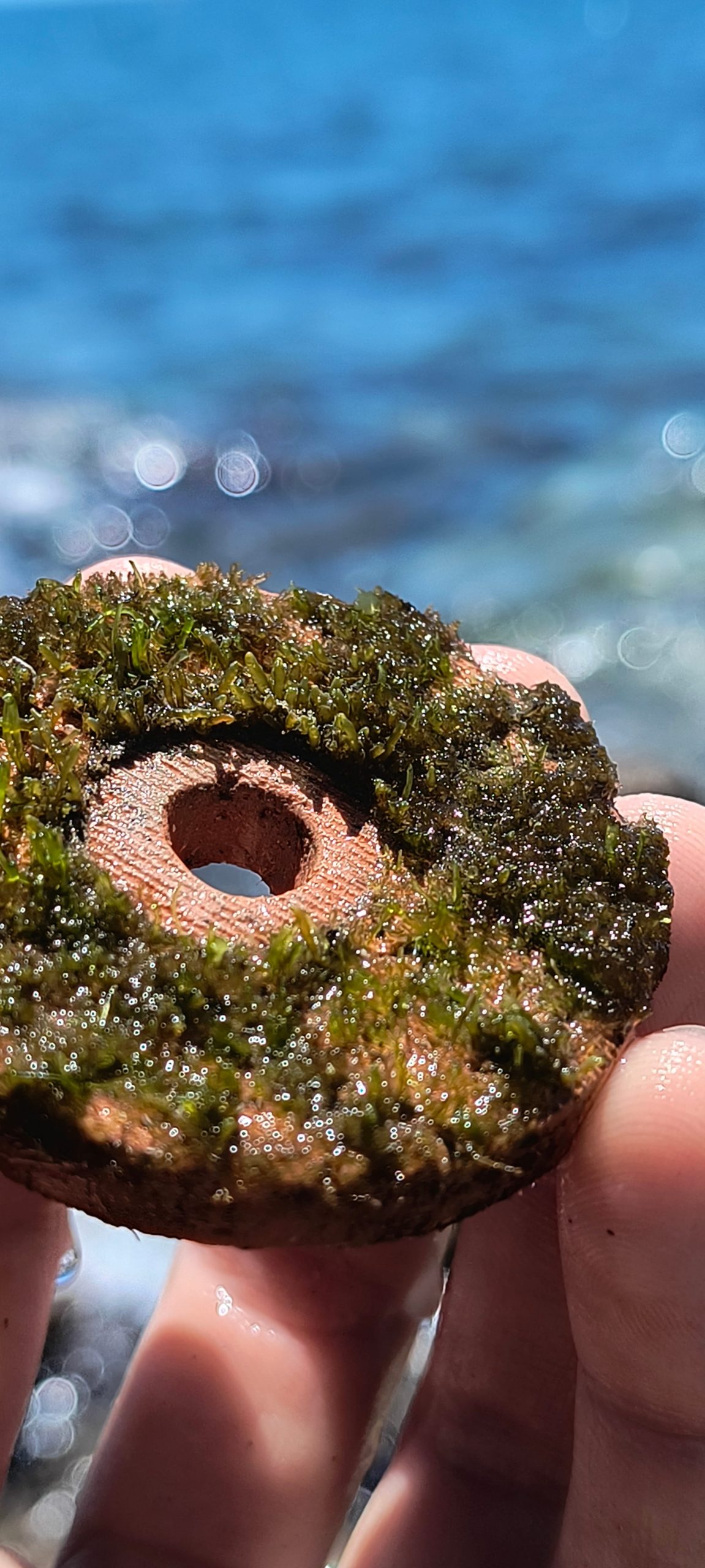
Update on the BIOECOREST project: using the Guadalquivir sludge to foster marine regeneration through circular ecology
Last year on our blog we talked about a research project that was in its early stages. It was about investigating how clay technologies…
The Fundación Juan March invites Pedro Rosa to participate in a conversation about Neocraftsmanship for its “Arts and Crafts” cycle
The Fundación Juan March is a renowned institution that has been dedicated to promoting cultural offer and quality in our country for over seventy…

todobarro’s bioclimatic terracotta screens win the Red Dot Award, one of the most important design contests in the world
At todobarro, we believe in what we do. Our work is based on research, interdisciplinarity and a passion for our craft, and that foundation…

We participate in the Economy Forum on Andalusian entrepreneurs
Our founder and CEO, Pedro Rosa, was invited to attend the Economic Forum organized by ABC and Caja Rural del Sur as a representative…