



Fired clay bricks for outdoor use: the perimeter of a family house in Caravia, Asturias
Our rustic terracotta brick finds a home in the Asturian climate, thanks to architect Gonzalo Somolinos
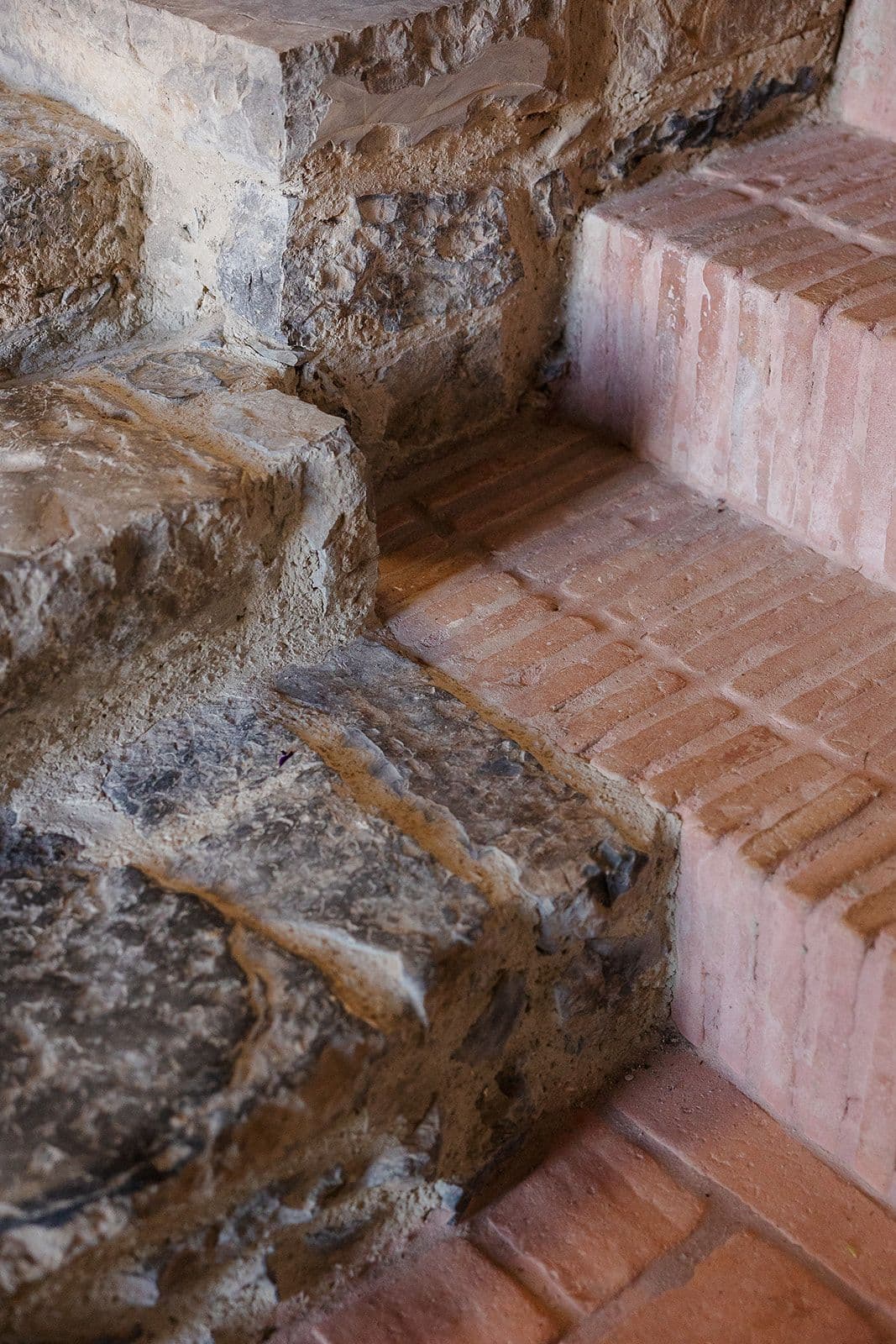
Architect Gonzalo Somolinos, who specialises in the restoration and renovation of homes in the north of the country, has overseen the comprehensive renovation of a detached house in Caravia, Asturias. As explained on the studio’s website, this house serves as a second home for two people, and the challenge of the project was to preserve the property’s original rustic features without compromising the final vision. The result speaks for itself: the centuries-old stone staircase coexists in perfect harmony with the state-of-the-art kitchen. Above the traditional stone lintels, a discreet network of modern guttering redirects the flow of rainwater. And the element that binds this past and future together is our rustic terracotta bricks, in shades of salmon and rust red.
The surprising versatility of rustic brick for building the outer walls of a house
Essentially, the primary function of our bricks in this project is to cover the perimeter of the house and small interior areas, such as landings and steps. This is one of our classic formats: a timeless brick, found in so many traditional buildings throughout the country. Our rustic brick, measuring 25 by 12 centimetres (or 9,8 by 4,7 inches), is the ideal size for creating a sturdy yet discreet floor that is also versatile in its own right, without the need for other pieces: the bricks have been laid on their sides for the steps indoors and, naturally, laid flat for the floors. This creates the impression of two distinct floor surfaces, even though a single format has been used.
The chosen colors (shades of red and salmon) also help create a warm and welcoming atmosphere in a context that tends to cloudy skies and frequent rainfall. When it comes to the climate, our handcrafted terracotta floors are not only an aesthetic choice; they are also the ideal material for saving energy and achieving optimal thermal comfort in environments like this. Our terracotta tiles are compatible with radiant heating systems, but they also work well with other traditional forms of heating, as they help to retain heat in the winter and keep the space cool in the summer.
The decision to mark out the perimeter of a house like this offers a number of strategic advantages in both the short and long term that go far beyond the visual effect (without underestimating the value of aesthetics):
—It defines the perimeter of the house discreetly yet effectively. Fired clay tiles not only mark a visual boundary; they also help to keep the house’s foundations sound and secure by stabilising the soil and absorbing moisture.
—An outdoor brick paving helps regulate the temperature inside the house, avoiding the heat island effect that would be created by other materials.
—The material not only allows for coexistence with vegetation but also contributes to its well-being, which, in turn, reinforces the two previous points (moisture and temperature regulation, and soil retention).
Doesn’t a terracotta floor get damaged when left out in the open?
This is one of the questions we’re asked most frequently: doesn’t a terracotta floor get damaged when left out in the open? As it is a porous and delicate material, it is common to associate exposure to the elements with potential damage to the surface or structure of the tiles. But the reality is that people have been using clay bricks outdoors for centuries (some of the oldest examples that have survived intact date back thousands of years).
When it comes to todobarro’s terracotta bricks, all you need to do is take a few simple precautions to ensure the flooring remains in good condition in the long term, even in areas with heavy rainfall.
Firs of all, seek advice from our team: our technical office can recommend the most suitable format and finish for a project, depending on the location and intended use of the tiles. A Mediterranean patio in the Balearic Islands does not require the same type of tile as a dental surgery in Norway or a house in Asturias. Every climate has its own characteristics: let us help you choose the best option.
The second step is to ensure proper installation and to carefully follow the cleaning and maintenance guidelines and instructions. Clay is a living material: it changes over time and is influenced by its context. It is normal for discoloration or stains to appear on the surface of the tiles when they come into contact with moisture and minerals, but by following a few simple instructions, they can be easily restored.


Terracotta tiles used in this project
More terracotta projects to inspire you

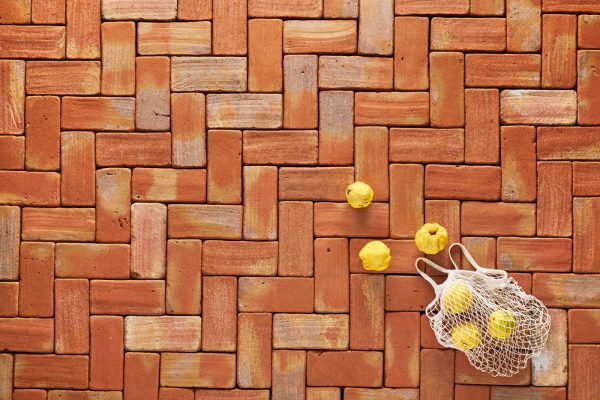
Interior designer Yvonne Huynh uses todobarro x zara home glazed tiles for a kitchen’s island and a bathroom in a Parisian apartment
Interior architect Yvonne Huynh has used pieces from the todobarro x Zara Home collection for a renovated apartment in the northwest of the French…
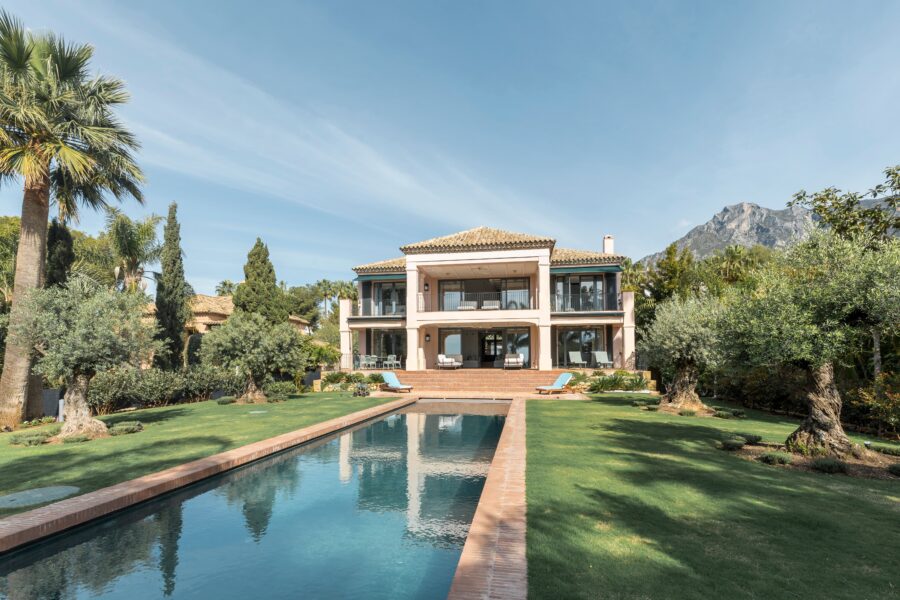
An infinity pool made of clay bricks: connecting the sea with home at Villa Ascher, Marbella
José Manuel Guerrero Cabrera is one of the founders of ee-estudio, an architecture and interior design firm with offices in Seville, Vienna, and Cairo,…

A custom-made pattern of red and slate tiles for Lárazo Rosa-Violán at the Montera Hotel in Madrid
One of the top interior design firms has once again chosen a handcrafted clay tile floor for one of Madrid’s finest hotels. Slate-colored rectangles…