


Andalusian whitewashing revalidates its importance against the climate crisis
The practice of coating houses with lime to combat the heat is a traditional Andalusian practice that dates back centuries, but in light of the climate crisis, its relevance is being renewed
Last month, Spanish paper La Vanguardia asked our coworkers Samuel Vega and Marta Sader about the whitewashing technique, called “encalado”, we’ve used in Andalusian houses for centuries. The piece is once again proof that vernacular and bioclimatic architectural knowledge is a growing currency. Despite its ancient origins, in Andalucía we’ve never ceased whitewashing our buildings, to the point where there is a -rather famous- set of little towns and villages known as “the White Towns“, due to their distinctive bright white color.
We’ve been painting our houses white since the Romans were here, to reflect solar radiation and control temperature, but it was during the Arab period of our country’s history that whitewashing became standard practice. From the XVIII century onward, whitewashing became increasingly popular not just to combat heat, but as a public health measure, to control the spread of plagues and epidemics. Limestone is a powerful natural disinfectant, and its use is, to this day, linked to hygiene and wellness.
This is a tradition that we share with our Mediterranean neighbors, particularly Morocco, where, much as it happens with our White Towns, its blue whitewash has become a national landmark. In Spain, we can’t talk about whitewashing without bringing up Morón de la Frontera, in Seville: a town that safeguards the whitewashing trade in our region and that has been recognized as Intangible Cultural Heritage of Humanity by UNESCO.
How is Andalusian whitewashing done?
Getting quicklime, the material needed to get the whitewashing paint, is a practice that faces the same challenges as other artisanal trades, but that is still alive in our land. The technique has remained unchanged for thousands of years: limestone is extracted from quarreis, and put into traditional ovens, known as “caleros”, where the stones are burned (or calcinated, which is where that word comes from) for three or four days. By the end of that process, limestone has turned into highly caustic and reactive white stones, called quickslime. In Spanish we call it “cal viva”, or “live lime”.
In order to use the lime as paint, first it needs to be rehydrated, a process we refer to as “drowning the quicklime“. This needs to be done extremely carefully and under expert supervision: when coming in contact with the water, the quickslime stones react violently with an exothermic reaction that turns the stones into a white paste, known as “dead lime”. This hydration process was traditionally done at home, by slowly adding small chunks of quicklime onto a big pot made of fired clay, called an “orza”. A few decades ago, it was unusual to not find one of these orzas on any given Andalusian home (even though the vapors resulting from the reaction with the water can be dangerous and it is strongly advised to not hydrate quicklime indoors). Once the reaction settles and we get the paste, we dilute it in a bit of water, and we can coat the walls with it.
The material for coating Andalusian walls is only half of the script on this problem-solving equation of bioclimatic architecture: there is also the issue of what is under the coat of lime. Our traditional constructions are made of stone or fired clay, with Arab roof tiles, also made of fired clay, because Andalusian vernacular architecture is inherently bioclimatic (we’ve recently presented the Lab Patio 2.12 project, where we’ve proven that we can reduce the temperature inside a house by up to 50ºF/10ºC just with passive measures drawn from our architectural heritage).
Our colleague Samuel explained to La Vanguardia’s journalist that “by whitewashing a wall we don’t just reflect sunlight: it is a mineral-based, breathable material that allows water vapor to pass through and helps regulate moisture in walls.” These properties, combined with the thermoregulatory effect of fired clay, improve temperature and humidity conditions, drastically lower energy consumption, and dramatically reduce carbon emissions from our homes and buildings, making our towns and cities healthier and more breathable ecosystems.


Top stories
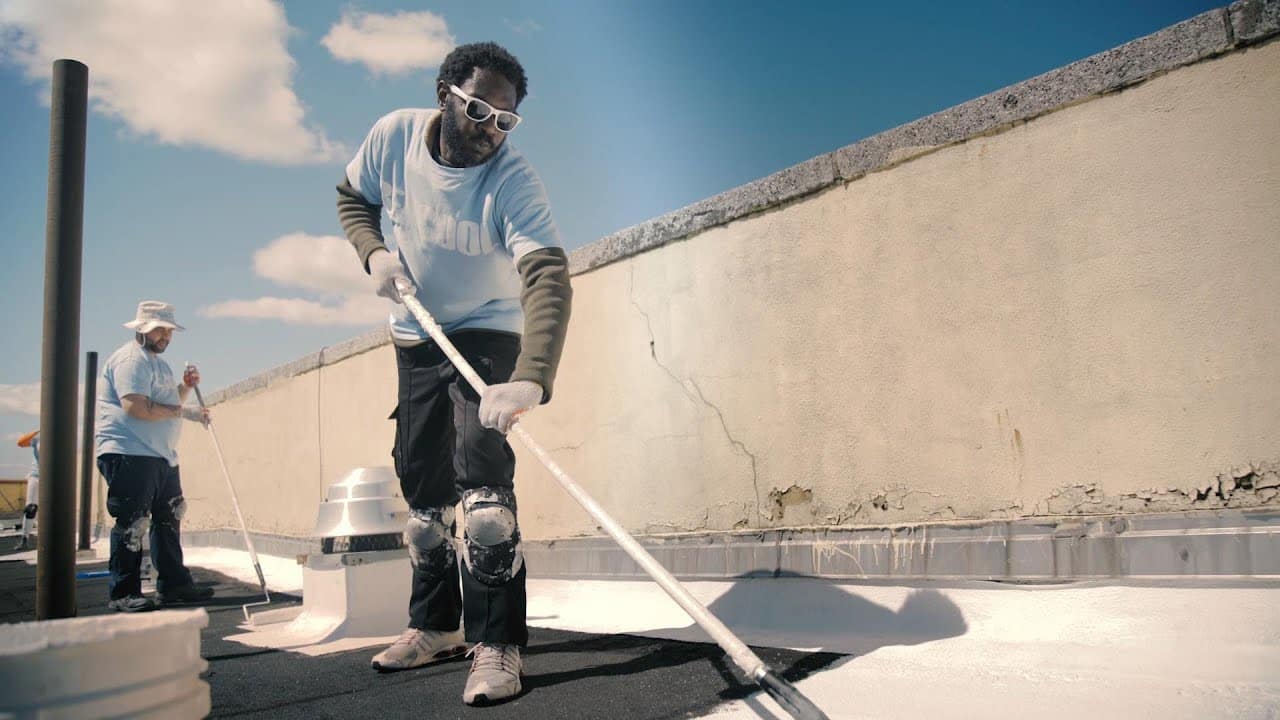
NYC CoolRoofs: New York Turns to Andalusian Vernacular Architecture to Combat Climate Change
Urban heat islands, extreme heat waves. These are two concepts that, for the sake of every living being, should grow increasingly distant from one…
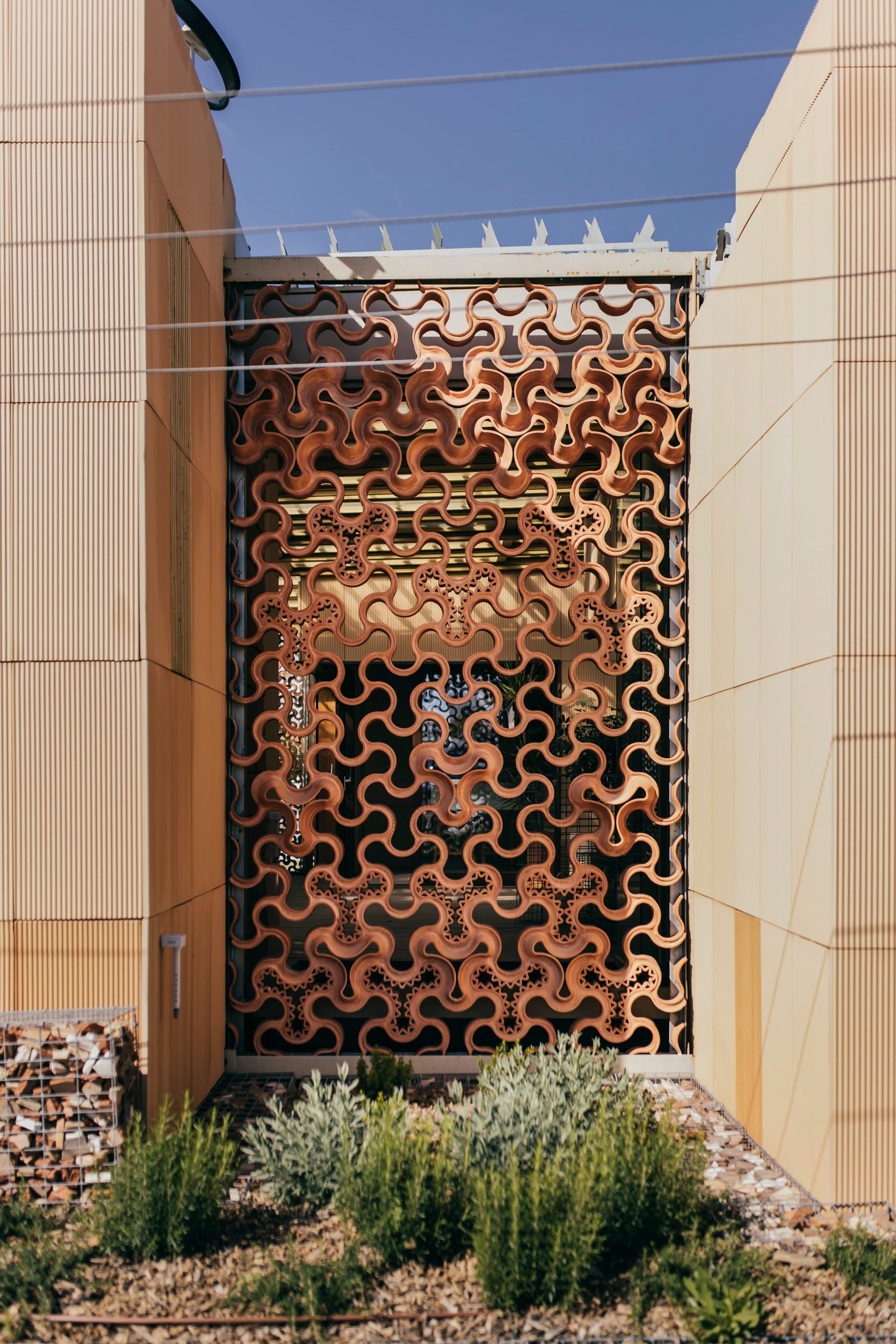
The Malaga College of Architects has selected our Casa Patio project for the 2026 Architecture Awards
More than 120 candidacies were submitted for the 18th edition of the Málaga Architecture Awards, one of the most prestigious competitions in the sector…
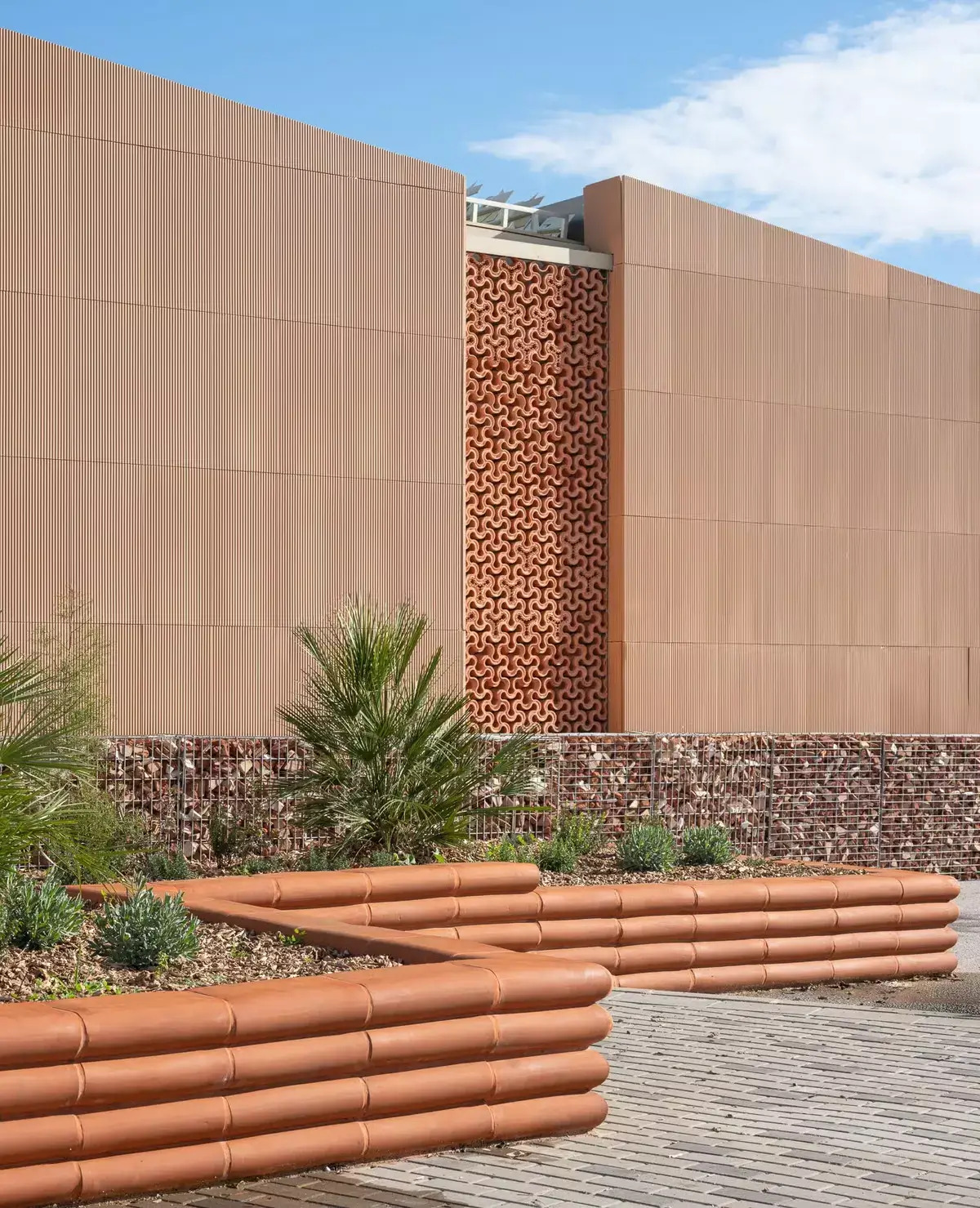
Succesful presentation of “Lab Patio 2.12”: todobarro’s experimental project to cool a house without using any energy
The project “Lab Patio 2.12” is one of todobarro’s research and development initiatives around the possibilities of clay as a bioclimatic material. Last week,…
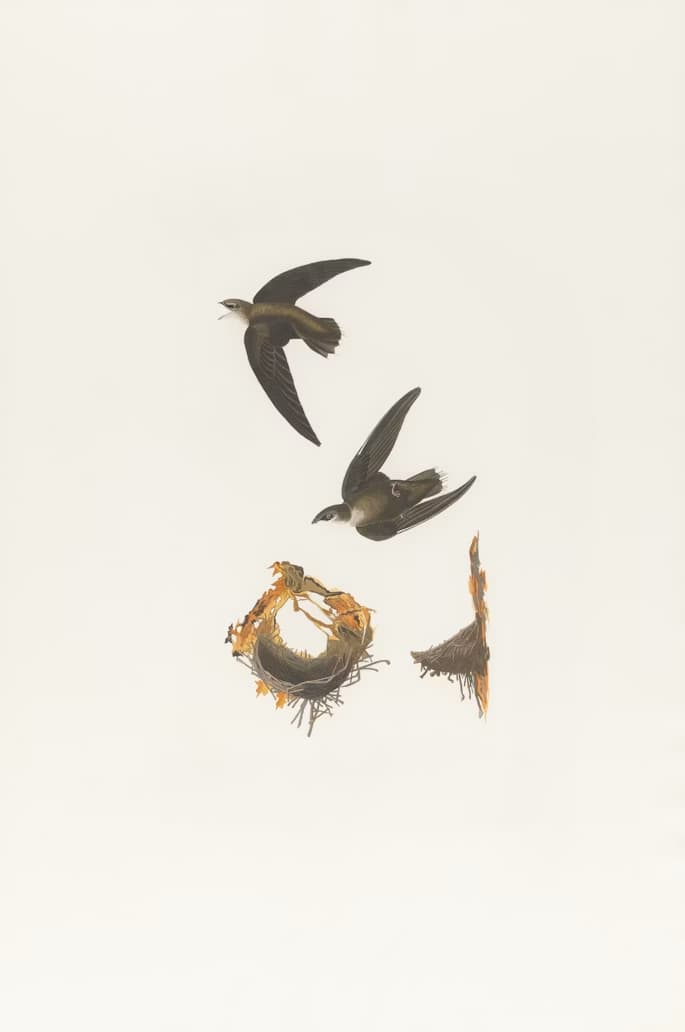
TERRANIDO project: an initiative to care for the urban birds of Andalucía
All over the cities and towns of Andalucía, a strategic point of the migratory routes between Europe and Africa for insectivore urban birds, swallows,…