

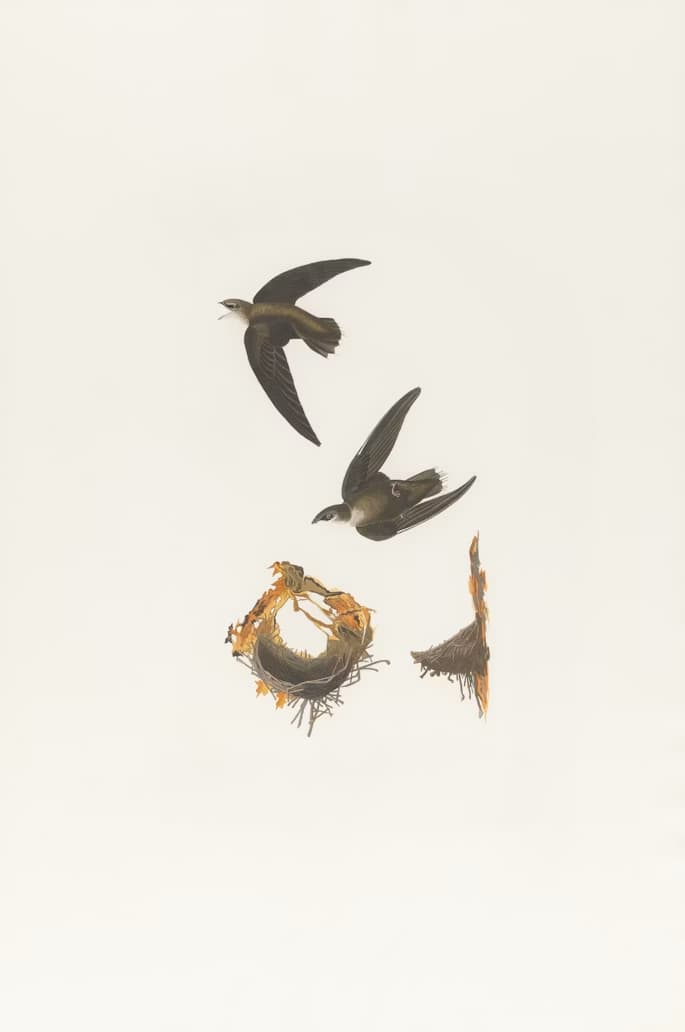


TERRANIDO project: an initiative to care for the urban birds of Andalucía
We embark on a new project that joins the technologies of clay with natural restoration, partnered with WILDCARES SP
All over the cities and towns of Andalucía, a strategic point of the migratory routes between Europe and Africa for insectivore urban birds, swallows, swifts, blue tits and house martins have used human constructions for centuries as shelters for nesting. But as vernacular architecture falls out of use and urban construction models that are increasingly hostile towards biodiversity move forward, these animals are left without the spaces that historically have served them as shelter and protective spaces.
In the face of this problem, todobarro once again turns to clay for a solution. This time, we have teamed up with WILDCARES SP, an organization from Malaga devoted to the care of local birdlife, to bring to life a project we’ve called TERRANIDO. TERRANIDO is a lovely undertaking aimed towards the design and manufacturing of clay nests and bioceramic shelters for birds and insects, inspired by natural architecture and developed under scientific and artisanal criteria.
The project is financed by the Fundación Unicaja’s open call for environmental projects.
The goals of the TERRANIDO project
TERRANIDO is an ecological innovation and neocraftsmanship initiative aimed towards developing:
- Clay nests for insectivore urban birds (the targeted species are listed below).
- Bioceramic shelters for urban biodiversity.
- Insect hotels inspired by termite mounds and natural structures.
- Habitat systems integral in architecture and public spaces.
- Educational workshops and citizen science actions.
The project does not look for building conventional nest boxes. This common solution, although it’s better than nothing, has huge room for improvement when it comes to the wellbeing of species. We usually find low-quality pressed-wood bird boxes that do not meet the thermal insulation requirements that most species have. Oftentimes chemical products are used for the varnish or joints that are harmful for the animals’ health. In many other instances, the design itself of the boxes severely limitates the use of the boxes for some species, and sometimes it downright impedes it.
This project combines traditional artisanal techniques with contemporary technology like ceramic extrusion, parametric design and 3D printing in clay.
The main goal of this project is to develop a new generation of shelters inspired by natural systems, with a specific target on the following species:
- Swallow (Hirundo rustica)
- Common house martin (Delichon urbicum)
- Common swift (Apus apus)
- Blue tits
- Solitary bees and other beneficial insects
WILDCARES SP: preservation, biodiversity and environmental education
WILDCARES SP is an Andalusian entity specialized in the preservation of wild life, ecological restoration and inclusive environmental education. Their job is centered around biodiversity protection and developing natured-based solutions for rural and urban environments.
Within the project, WILDCARES SP brings:
- ecological and ornithological knowledge,
- birdlife tracking,
- ecological validation of the designs,
- installation and monitoring of the shelters,
- educational activities and citizen participation.
This exciting collaboration seeks to join science, land, design and preservation in a single regenerative proposal.
The endless bioclimatic uses of clay
The impact clay has on construction (whether it is destined for human, vegetal or animal use) is perceptible and quantifiable. Clay buffers drastic temperature changes, regulates humidity, reduces overheating, and generates stable microclimates for eggs and chicks in the case of this project. The phenomenon is a small-scale example of what’s known as the “water-jug” effect, an occurrence we’ve seen in our bigger bioclimatic projects.
Heat waves in our region are only going to be more intense and more frequent. If we want to create safe environments for heat-sensible species, developing clay-based projects is no longer an option, it is an imperative. We’ve been defending and exploring for years the bioclimatic properties of clay as a raw material that is not only long-lasting, aesthetically pleasing and sustainable, but that tangibly helps to better the conditions of living beings around it.
In TERRANIDO, todobarro leads the material and technological development of the prototypes by working on:
- bioceramic formulations,
- production systems,
- technical behaviour,
- endurance and durability,
- 3D printing and modular fabrication.
This project joins the corpus of research and development initiatives we undertake. We do it not just to deepen our knowledge of our craft and the material it uses, but to explore in what ways we can generate a positive impact in our environment while carrying on with our activity, through circular ecology and economy ideas.
Why is a project like this necessary?
Our cities are so heavily paved and endure such crazy urbanistic tension that it is difficult to picture a rich and healthy biodiversity living in them. But the truth is that every year thousands of species go through our towns and cities every year, and they must coexist in ecosystemic balance. When said balance is disturbed, we notice it (a lot). Different studies show that urban birds are forced to use artificial materials -plastic, synthetic fibers or human waste- to build their nests in the absence of natural materials being available. These antinatural modifications negatively affect the thermal regulation of nests, and can compromise the reproductive success of species.
TERRANIDO is a project that bets on going back to natural principles through clay and mud as an ecological and climate emergent solution. We hope to generate a real impact in the wellbeing of the urban wild birds of Andalucía, who, in turn, carry out crucial functions in the aforementioned ecosystemic climate. Urban birds act as a natural insect control: they feed mostly off of mosquitoes, flies, aphids and fleas. A single swift can eat up to 14.000 mosquitoes in a single day, and a house martin needs between 800 and 400 daily flies to thrive.
Besides ridding us of annoying pests, urban birdlife is key for seeds dispersion, ecological balance, and their presence or absence is a key indicator of environmental quality.
Caring for ecosystems opens up a world of educational, social, commercial, and environmental possibilities.
The project has a significant educational and social dimension. We are keenly aware that environmental stewardship must be a collective effort. That is why at todobarro we regularly participate in activities that engage the general public, involve our neighbors, and not only raise awareness but also provide practical tools for care.
TERRANIDO includes the creation of clay nest-building workshops and after-school activities. It also includes education about urban birds through direct observation and the creation of citizen science labs, as well as the promotion of environmental education and community participation.
TERRANIDO aims to become a replicable and scalable model of urban ecological restoration based on local materials, sustainable manufacturing, and collaboration between craftsmanship, science, and conservation.



Film forum in Malaga for World Ocean Day: “Ocean, with David Attenborough”
Since the early nineties, every 8 of June we celebrate the World Ocean Day: a date that celebrates, vindicates and educates the public about…
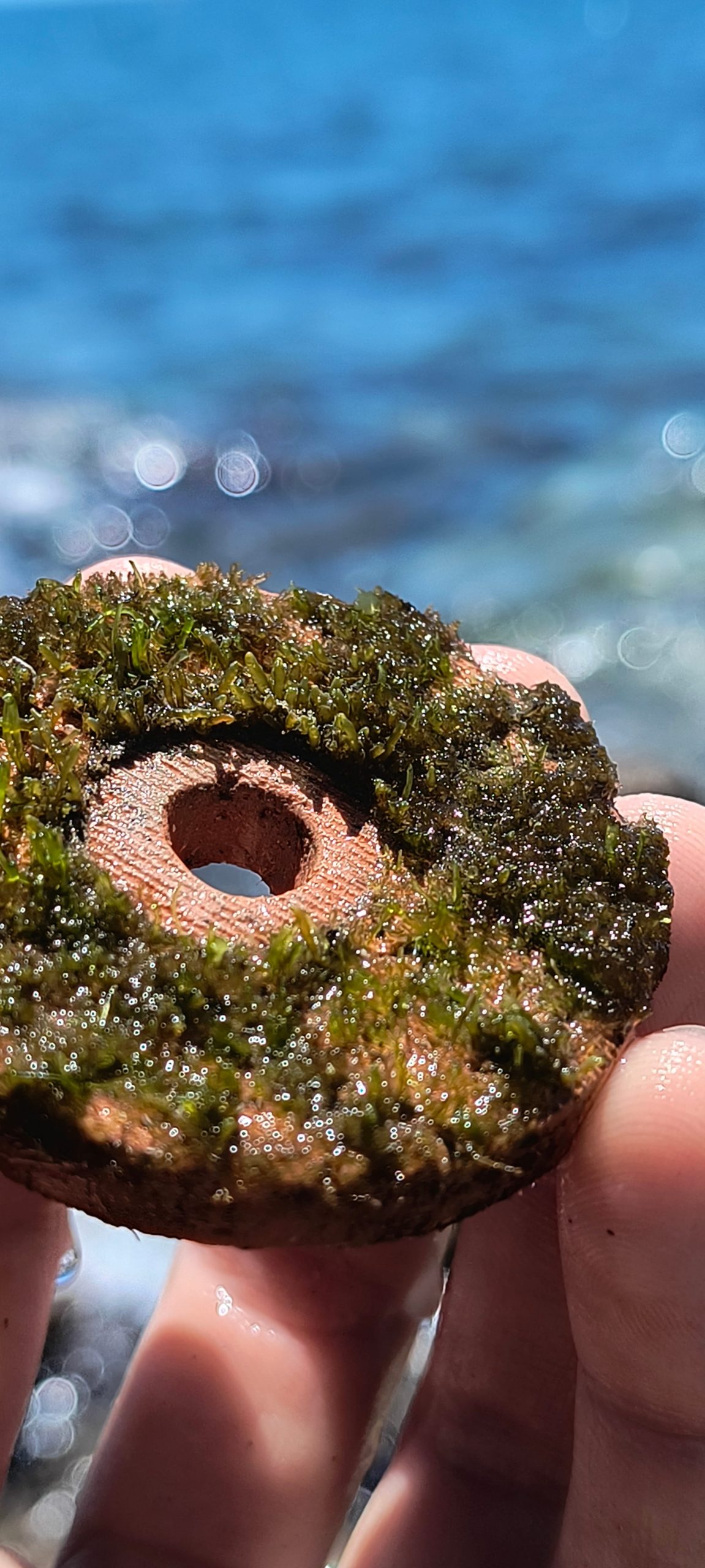
Update on the BIOECOREST project: using the Guadalquivir sludge to foster marine regeneration through circular ecology
Last year on our blog we talked about a research project that was in its early stages. It was about investigating how clay technologies…
The Fundación Juan March invites Pedro Rosa to participate in a conversation about Neocraftsmanship for its “Arts and Crafts” cycle
The Fundación Juan March is a renowned institution that has been dedicated to promoting cultural offer and quality in our country for over seventy…
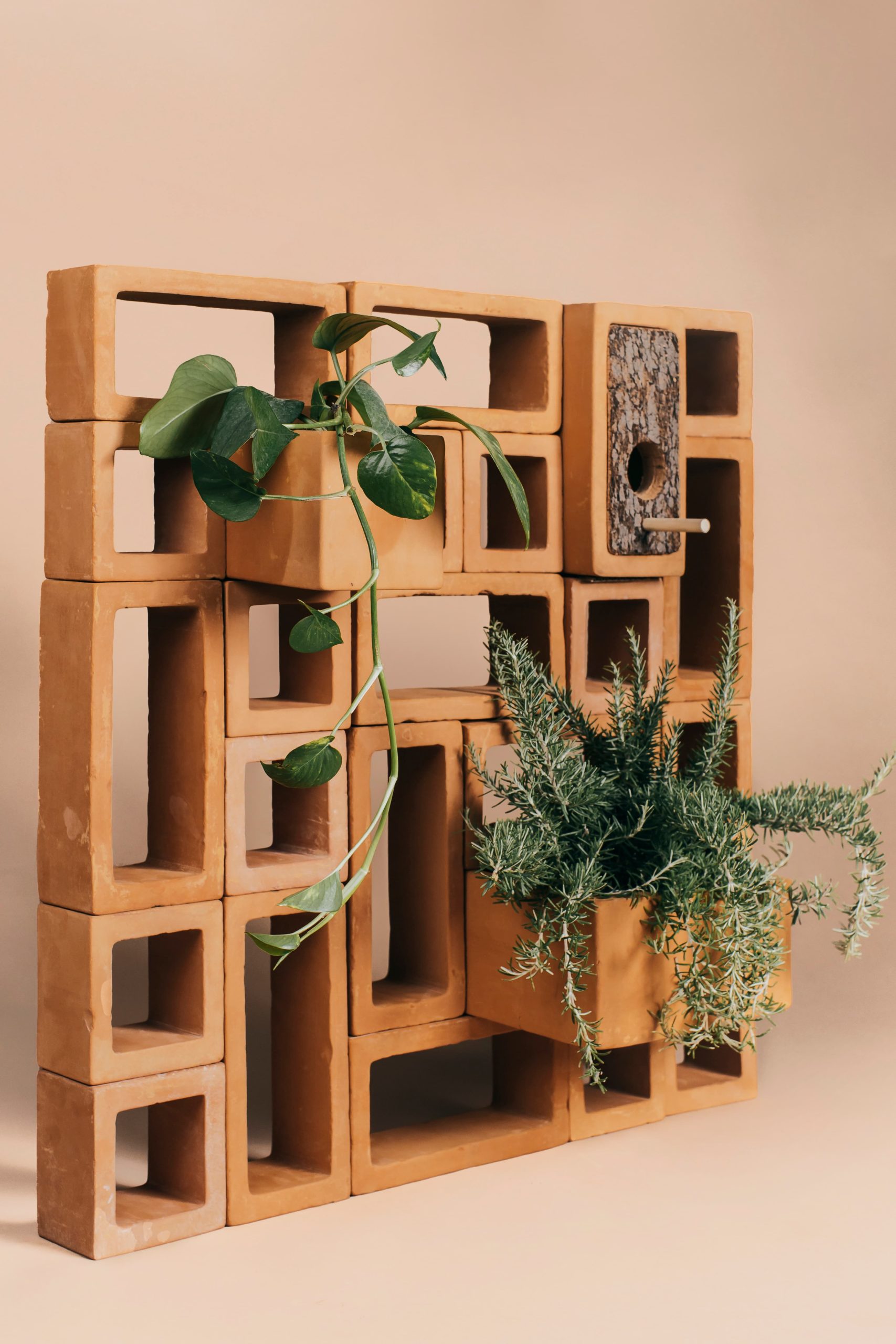
todobarro’s bioclimatic terracotta screens win the Red Dot Award, one of the most important design contests in the world
At todobarro, we believe in what we do. Our work is based on research, interdisciplinarity and a passion for our craft, and that foundation…