



Clay planters and the naturalization of spaces: our commitment to Material Matters 2023
We attend the event, which showcases sustainable and innovative materials for architecture and interior design, partnered with todobiodiversidad and the collaboration of Ausol and Grupo Lagar
Going back to basics is an increasing need. In a fast-paced world where technology and industry permeate every corner of our lives, we need to reconnect with our authenticity. Part of that means renaturalizing the spaces we live in.
With this mission in mind, the todobarro farm was born: a space where we conduct experiments aimed to naturalize increasingly denaturalized environments. In the context of this challenge, we were given a specific date for a special action: June 5th, World Environment Day. This was the starting point for an initiative that we reported on jointly on the todobiodiversidad and todobarro social media accounts.
The goal was to attend the Materials Matter 2023 Exhibition, an event organized by the Col·legi d’Arquitectes de Catalunya at its headquarters in Barcelona, with a special submission. This event brings together the most innovative and sustainable materials for architecture and interior design. And that’s where we would take our new planters and our commitment to nature in all spaces.
Naturalization days: how we prepared for the event
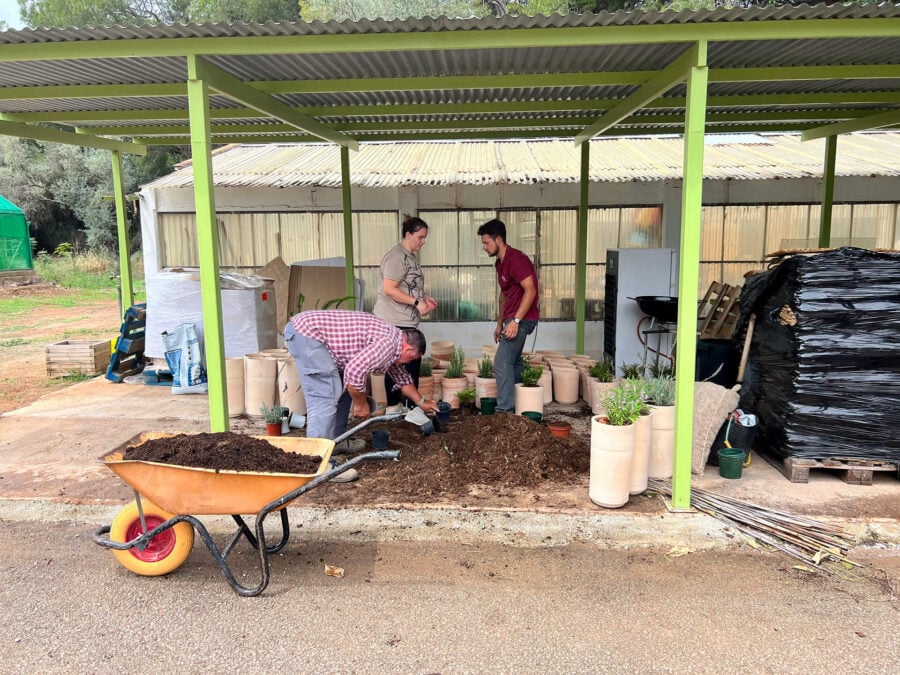
From June 5th to June 11th, we prepared our new planters to take to the fair as decoration pieces. Adapted and native species selected by our team would be planted on them. Our partners from Grupo Lagar, specialized in plant species and gardening, were essential to the preparation process. They have their own nursery and provided us with the plants that would fill our planters.
Another essential collaboration was that of Citroen Ausol, which generously lent us a 100% electric van that we were able to pick up in Vélez-Málaga. From there, we loaded the planters and set off for the Grupo Lagar nursery in Alhaurín de la Torre. This meant that the naturalization process was also maintained for the transport required to collect the handmade planters, take them to the nursery, and plant the selected species.
Upon arrival, we selected the species based on ecological criteria and planted them in more than 40 different pots. Once the species were planted, we left the plants to settle in their respective clay planters for a week so that they would be ready to be exhibited at the fair. At the same time, the entire process was reported live on the todobiodiversidad networks, with our colleague Pedro Guerrero as the keynote speaker.
After the event, we returned with the planters to Málaga to deepen the work of naturalizing our office. That is how these plants and our clay planters have come to be part of our environment. And that is how our space is also, little by little, becoming a little more of our own essence.


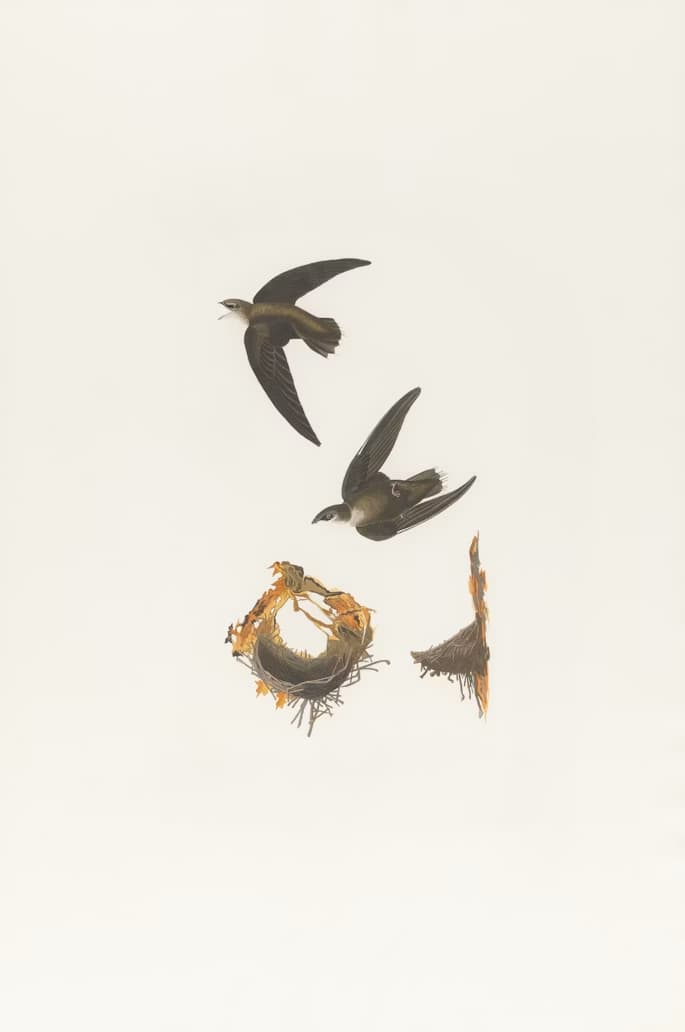
TERRANIDO project: an initiative to care for the urban birds of Andalucía
All over the cities and towns of Andalucía, a strategic point of the migratory routes between Europe and Africa for insectivore urban birds, swallows,…

Film forum in Malaga for World Ocean Day: “Ocean, with David Attenborough”
Since the early nineties, every 8 of June we celebrate the World Ocean Day: a date that celebrates, vindicates and educates the public about…
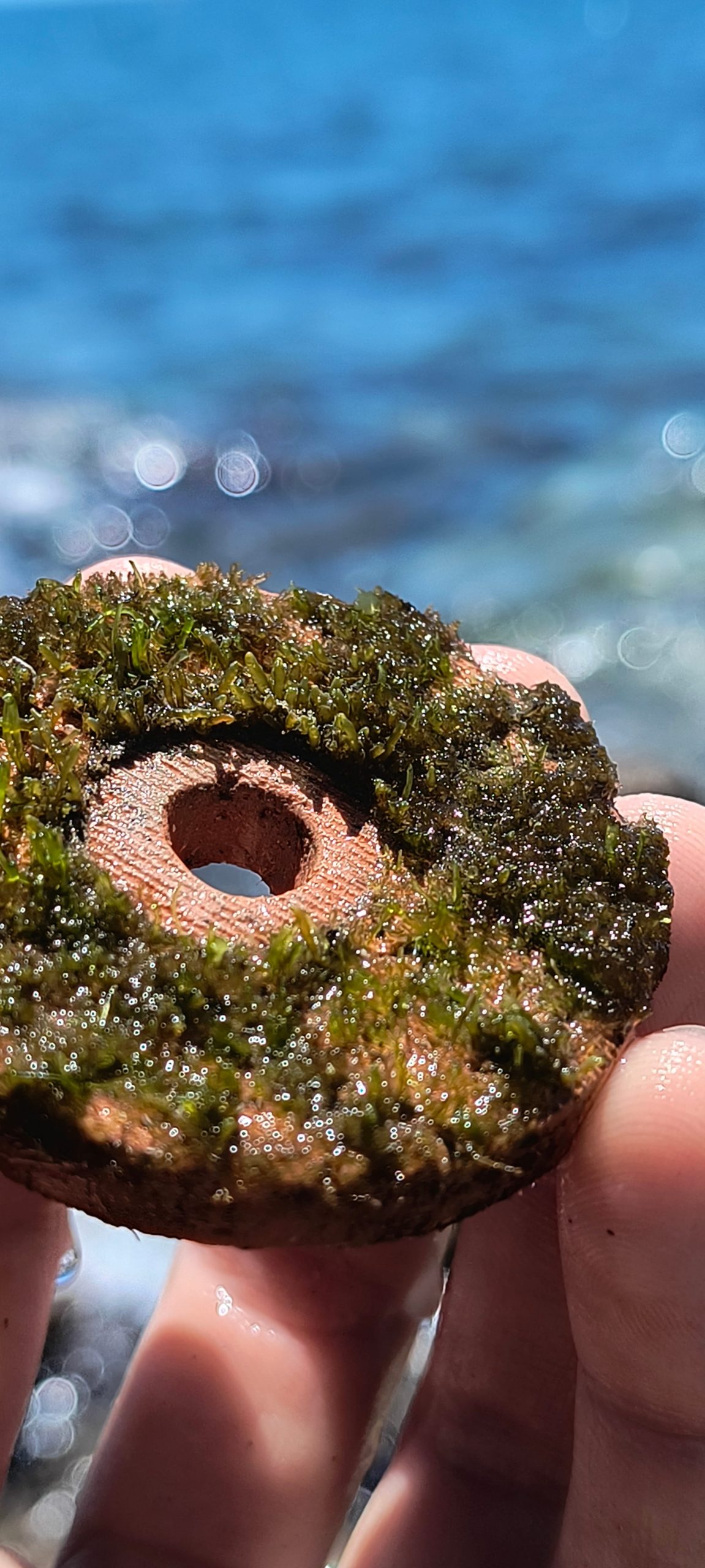
Update on the BIOECOREST project: using the Guadalquivir sludge to foster marine regeneration through circular ecology
Last year on our blog we talked about a research project that was in its early stages. It was about investigating how clay technologies…
The Fundación Juan March invites Pedro Rosa to participate in a conversation about Neocraftsmanship for its “Arts and Crafts” cycle
The Fundación Juan March is a renowned institution that has been dedicated to promoting cultural offer and quality in our country for over seventy…