



The evolution of the project that will turn the Guadalquivir sediments into bioclimatic elements
We move forward in the project with the Port Authority of Seville that is studying how to convert the sediments of the Guadalquivir river into ceramic material
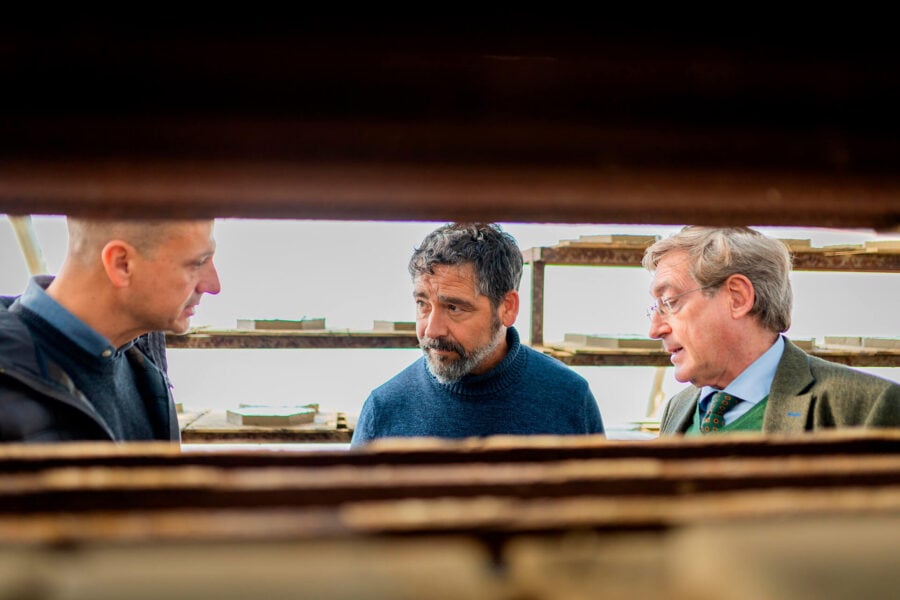
The innovative project that studies how to convert the sediments of the Guadalquivir river into bioclimatic architectural elements continues its course. At the beginning of the year, a delegation from the Port Authority of Seville visited our eco-tile factory in Velez-Malaga to visit our facilities and see our work up close. Despite this welcome visit to our headquarters, the creation of an on-site eco-tile shop for this production in the Port of Seville’s grounds is part of the plan. This will minimize the carbon footprint and maximize the energetic efficiency of the entire project.
Harnessing the Guadalquivir’s sediments without increasing industrial activity
Currently in the R&D phase, the core of the project is based on the revaluation of Guadalquivir sludge. As this is a navigable river with considerable maritime activity, it has to be dredged regularly to prevent sedimentation from causing ships to run aground on its bed.
The material resulting from this dredging (tons of mud and sediment) is deposited in the vicinity of the river. As the volume of material is so large, lagoons and dunes are naturally created on the riverbank. Some of these end up functioning as an ecosystem for native and migratory bird species, but the total is too much. Although riverbed mud is a non-hazardous waste, it is a waste of natural resources that are right there for the taking.
Turning waste into resources
At todobarro we are studying the most efficient way to turn this waste into elements of bioclimatic architecture. For example, by turning them into compressed earth blocks, or by including the Guadalquivir clays in the mixture with which we make our tiles. With them we will be able to regenerate urban spaces in a way that is not only sustainable but also energy efficient.
We urgently need to rethink the way we apply architectural principles to our public spaces. The lower Guadalquivir basin is one of the most affected regions by climate change in our country, and Circular Economy projects like this one that convert waste into a source of raw material at the source help us mitigate the devastating consequences of rising temperatures and drought crisis.


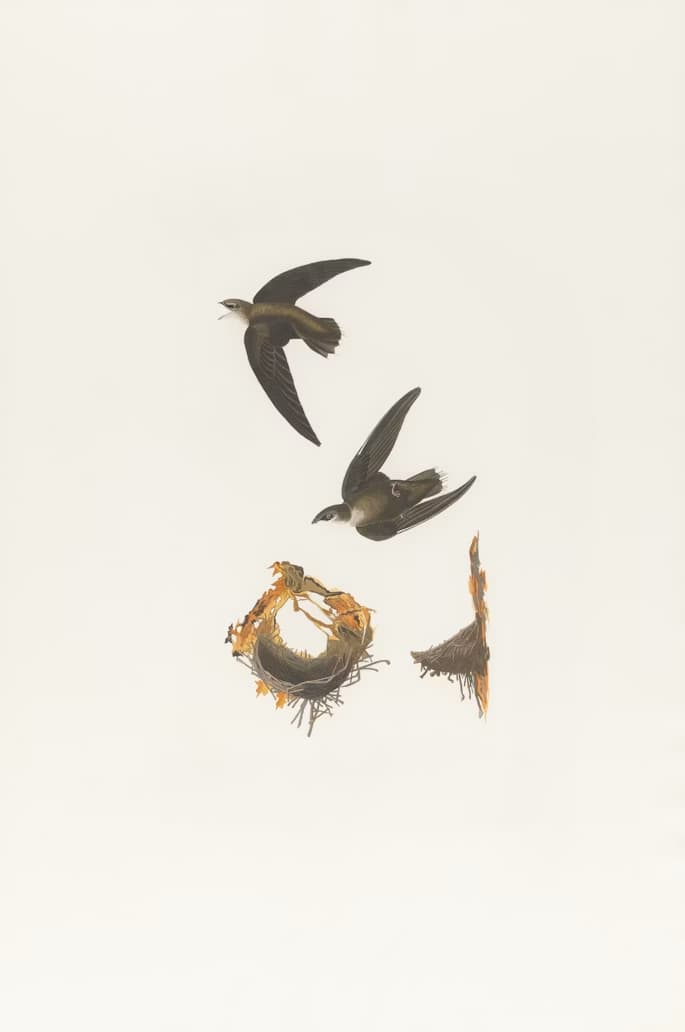
TERRANIDO project: an initiative to care for the urban birds of Andalucía
All over the cities and towns of Andalucía, a strategic point of the migratory routes between Europe and Africa for insectivore urban birds, swallows,…
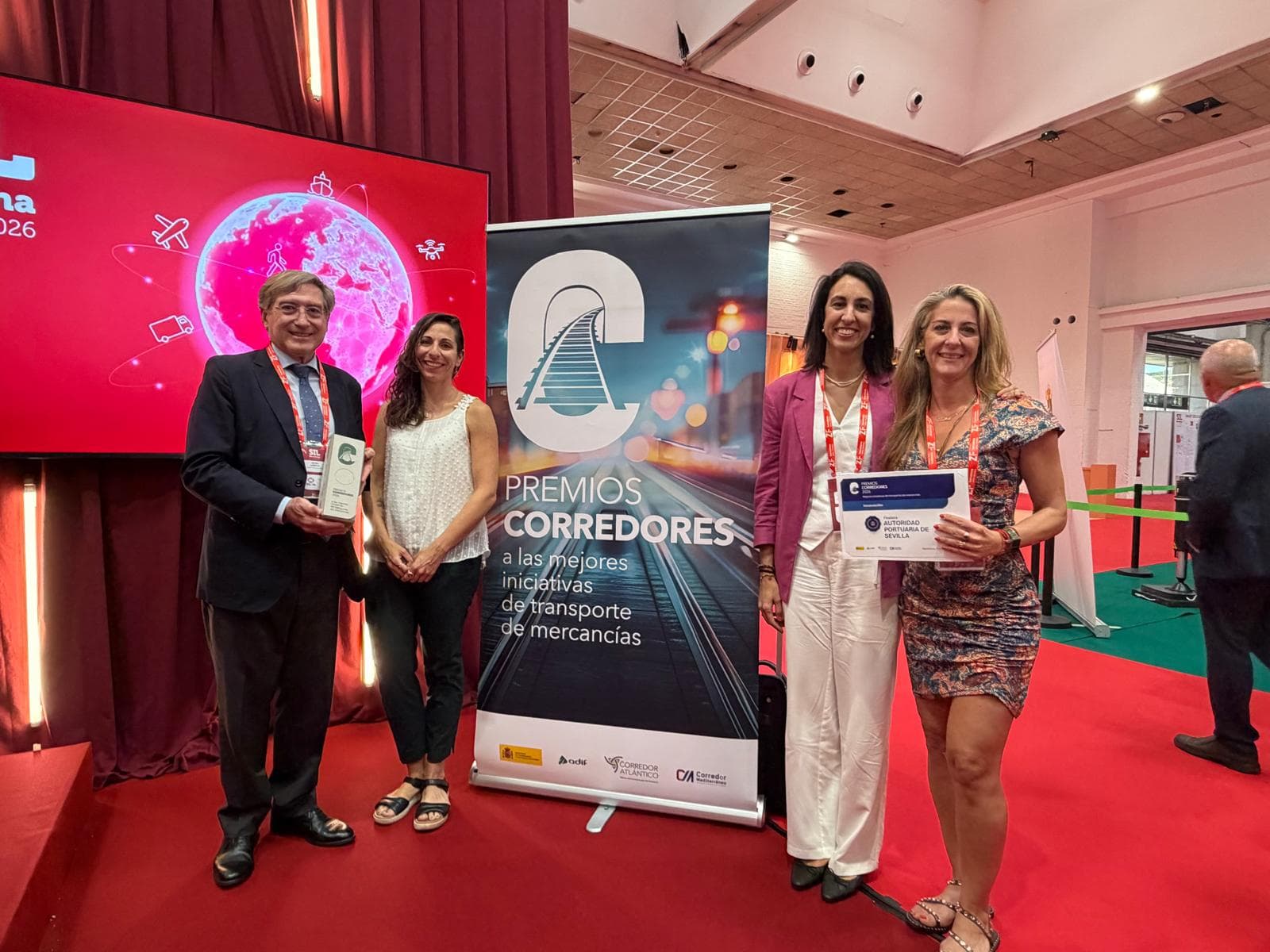
The SAFARI Ports project -partnered with todobarro’s BIOECOREST-, recognized at the Corredores Awards 2026
The European SAFARI Ports project, a strategic partner of BIOECOREST in its river line of investigation through the Port of Seville, has been named…
Film forum in Malaga for World Ocean Day: “Ocean, with David Attenborough”
Since the early nineties, every 8 of June we celebrate the World Ocean Day: a date that celebrates, vindicates and educates the public about…
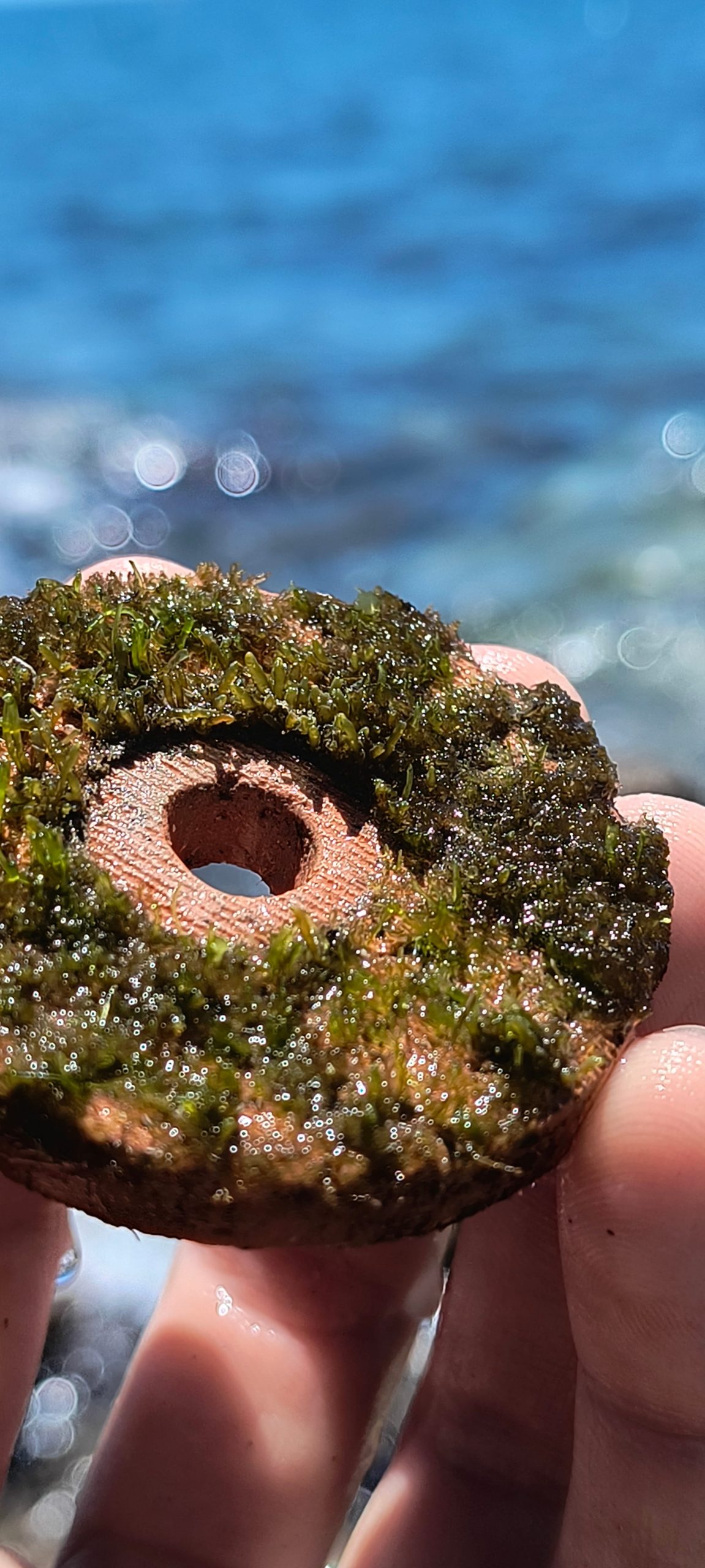
Update on the BIOECOREST project: using the Guadalquivir sludge to foster marine regeneration through circular ecology
Last year on our blog we talked about a research project that was in its early stages. It was about investigating how clay technologies…