

Trends
Trends in interior decoration
One of our distinctive features in todobarro is the aesthetic commitment that we make not only for our terrain and clay tiles but by the spaces that they inhabit.
To ensure the survival of the terracotta tradition, it is necessary to constantly update its language to prevent it from becoming an anachronism. Although it is a versatile material, each style, space and area has its own aesthetic requirements.
For this reason, we branch out our work into different disciplines that allow us to stay within a constantly changing game (such as interior design), with a material that we have been using for more than five thousand years strong>.
In todobarro we know that “the usual” is good, but it is not enough. There will always be room for the more classic formats, and the clay floors of a lifetime count with a wild card of timelessness. But that is not enough.
A joint effort to find new proposals
Our objective is not only to make traditional clay floors, but to explore all the possibilities that this material offers, and thus give our clients the possibility of carrying out their most ambitious projects with a sustainable material. , durable and ecological.
For this, we have the letter of multidisciplinarity. In our team we have master craftsmen , designers, interior designers, architects, and sustainability consultants.
Part of that teamwork consists of analyzing and adapting our tiles to interior decoration trends as they emerge.
Identifying which trends will be ephemeral and which will last over time is a skill that is acquired with practice, study and experience. AND is that we have to think about the possibilities of clay in the present as well as in the future.
At todobarro we work both with individuals and with interior design studios, architecture and fashion. We try not only to work hand in hand with the studios, but we also try to improve our creative capacity to also be the ones who propose innovation and avant-garde within the new interior design trends.
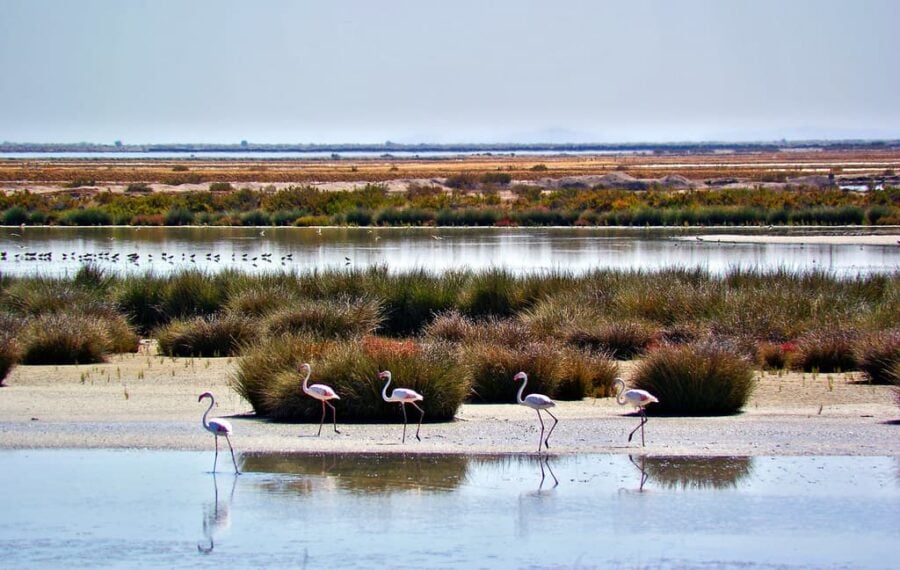
BIOECOREST-SAFARI (PART 2): clay technologies, project vision and expected outcomes
In a previous article, we explained the fundamental concepts of BIOECOREST-SAFARI, the river line of the BIOECOREST ecological restoration project. In this second installment,…
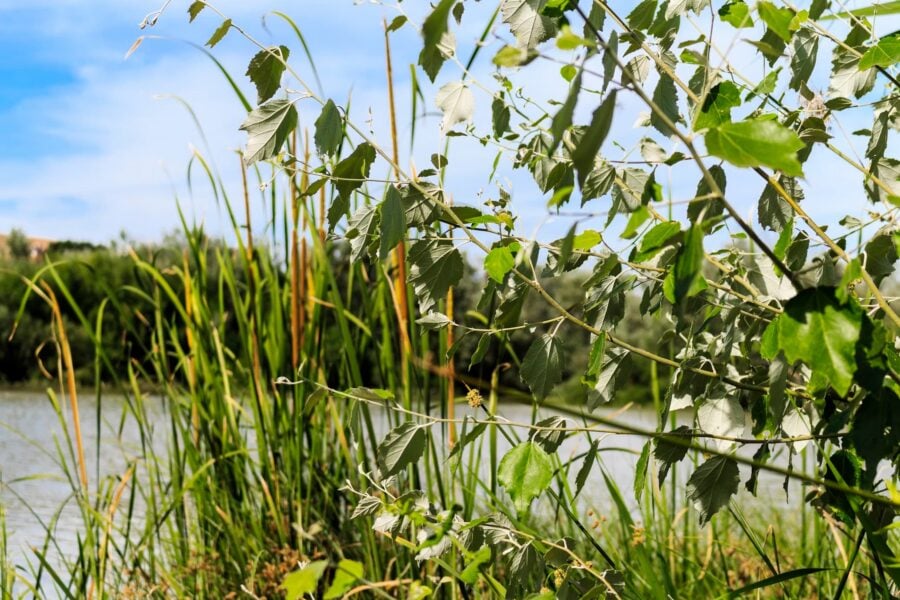
BIOECOREST-SAFARI Project (PART 1): A Project for the Ecological Restoration of the Guadalquivir River
In previous posts, we’ve discussed our BIOECOREST project focused on the recovery of marine forests. We’ve also explored the international context in which it…
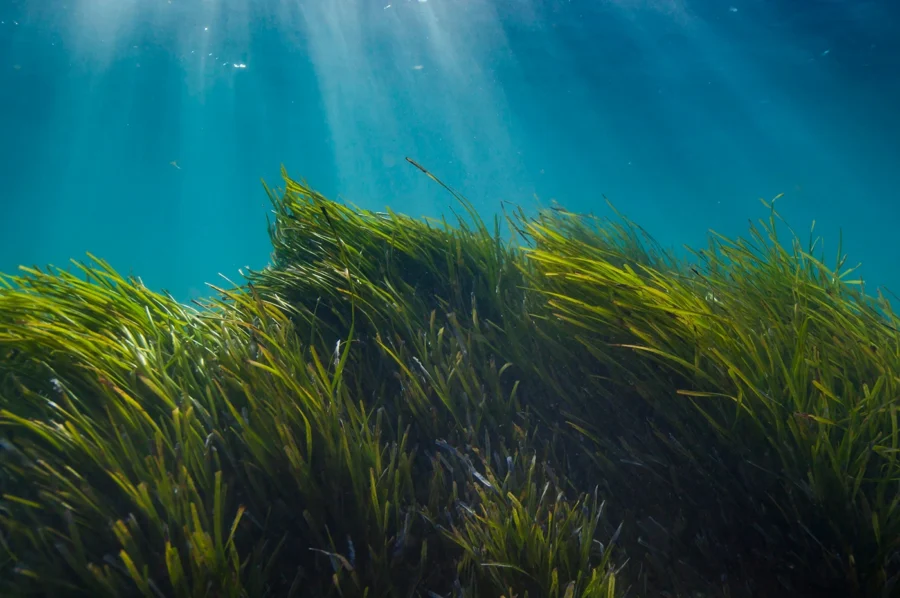
What is the Nature Restoration Law?
The Nature Restoration Law is a European regulation approved in 2024, aiming to ensure the necessary actions and initiatives to repair damaged ecosystems and…
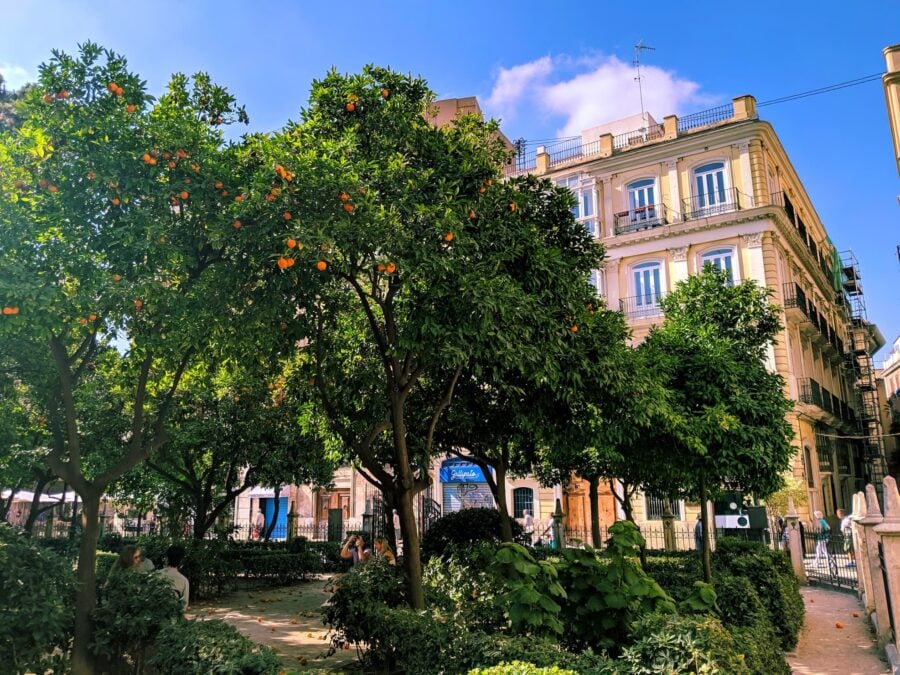
What are climate shelters?
Climate shelters are spaces adapted to provide comfort for both animals and humans in the face of the growing climate crisis that is making…
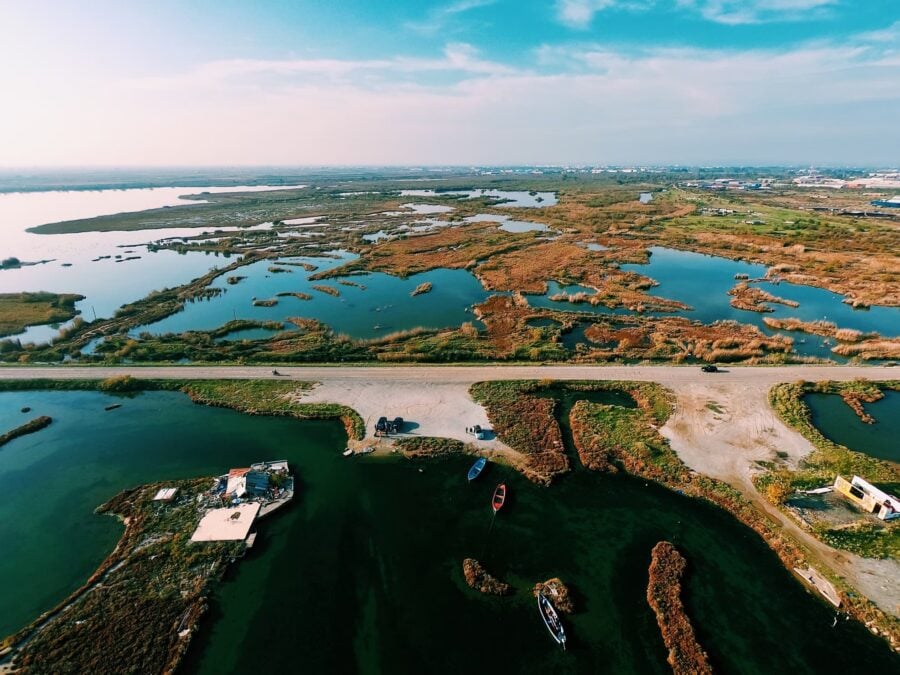
What are Nature-based Solutions?
We often talk about Nature-based Solutions (frequently abbreviated as NbS). The name is quite self-explanatory, but in this article, we will delve deeper into…
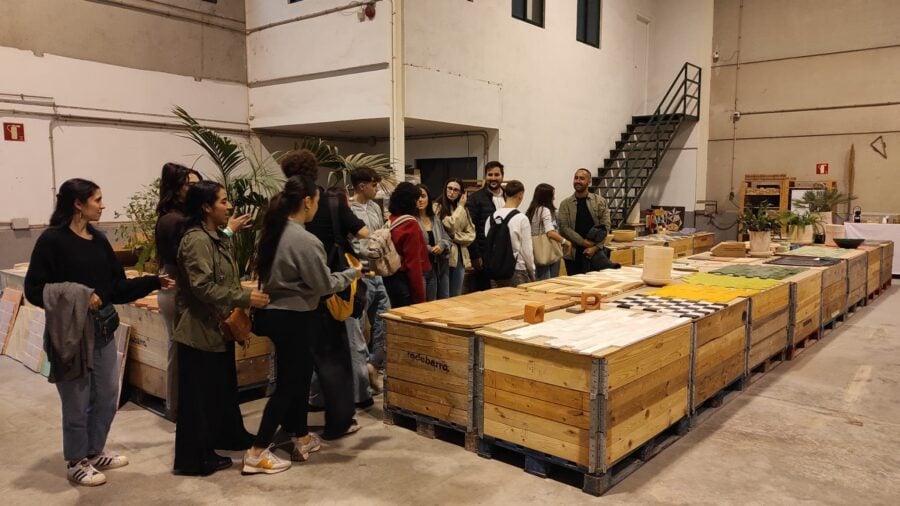
We welcome for the second time the students of the Escuela Arte Granada in our showroom
Last November, we had the honor of welcoming the students of the Higher Course of Interior Design and Architecture of the Escuela Arte Granada…
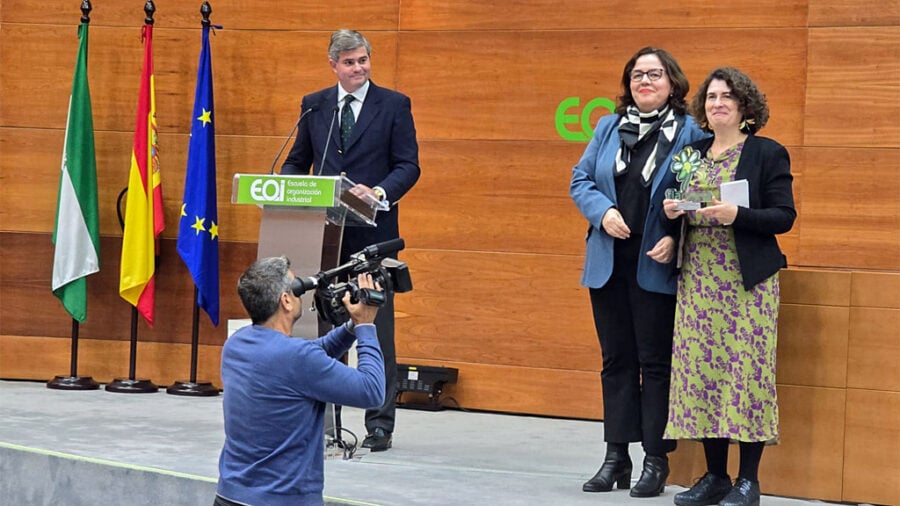
“Todo barro: economía ciruclar”: the piece on the circular economy project of the Guadalquivir river’s sludge, winner of the FLACEMA Award
Last year, Canal Sur Television’s news section dedicated to covering news on sustainability and the environment, called “Espacio protegido” (protected space), produced an eight-minute…
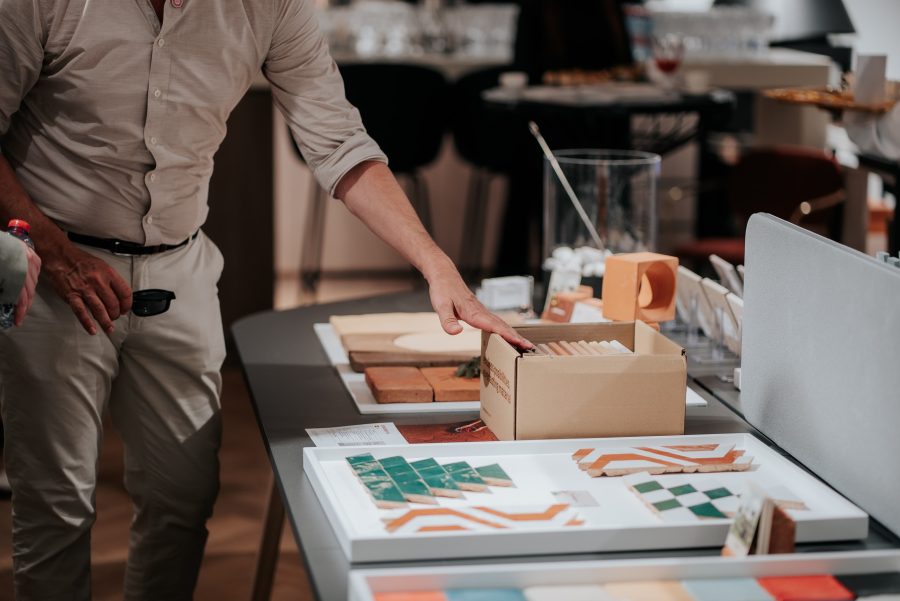
We attended the Dubai Design Week with Materio 360
As our colleague and marketing manager Samuel Vega Durán tells us so well, it is not necessary to travel far to know that design…
The decorative ditch, a protagonist element in any garden
Not long ago we spoke in this space about irrigation ditches as bioclimatic elements of our vernacular architecture. These constructions that have accompanied us…