

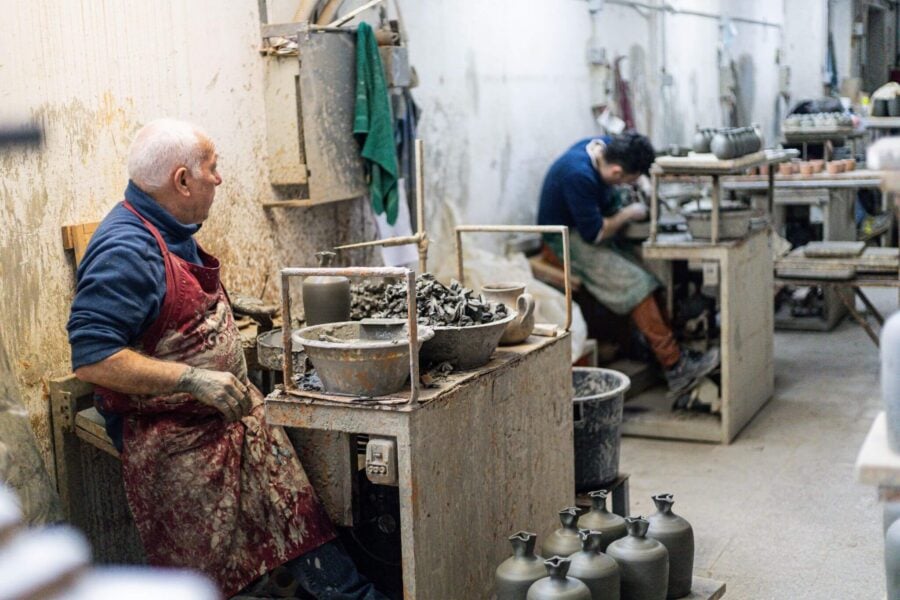


We attend the II International Congress of Ceramics
We attend the second edition of this rendezvous that promotes the dialogue and networking amongst all professionals in the industry
Last March we (gladly) went to the II International Congress of Ceramics, celebrated this year in Italy. This event is celebrated in the spirit of bringing together different proposals, innovation techniques and craftsmanship from different plans of the world.
The first edition of the ICC was held in Sevilla, under the hosting of the Escuela de Formación de Artesanos de Gelves. It counted the participation of two countries: Italy and Spain. On this happy occasion, this festival of artisanship was organized by the Confartiagianato Imprese, in the city of Grottaglie, a town in the Italian south famous for its ceramics. Participants from Portugal joined the congress.
A multifaceted congress about the limits of the industry
This second edition of the ICC has addressed the themes and topics that affect tangentially or fully the future of the field, putting on the table issues about new means of production or sustainability.
The question of the very limits of a sector whose nature might seem contrary to mass production was also at the centre of the debate. With the implementation of new business and technological models, when does craftsmanship cease to be craftsmanship? What kind of environmental responsibility can and should we demand of the sector?
Among those present were representatives from all parts of the scale (manufacturers, designers, craftsmen, marketers, etc.), as well as from related industries and academies.
Sharing our experience on innovation and sustainability
Our contribution to the Congress focused on sharing our experience in innovation and design with handmade terracotta. Our model is based on the conviction that sustainability is not only possible but necessary for the survival and well-being of our profession.
It is on this basis (encompassed under the umbrella term Nature-Based Solutions) that we choose our projects. And so, joined by Pedro Guerrero, researcher at the Chair of Climate Change at the University of Malaga, we spoke at the Congress about our project with the Port Authority of Seville. This ambitious project consists of using the dredged sludge from the Guadalquivir River to make terracotta tiles for paving, among other things, the riverbank itself.
On our end, we found a particularly interesting and enriching opportunity in learning from the local artisans of Lecce and Grottaglie about their ceramic working techniques, renowned for their attentive exploration of the limits of the material.
We can’t wait to go again next year!


Top stories

Andalusian whitewashing revalidates its importance against the climate crisis
Last month, Spanish paper La Vanguardia asked our coworkers Samuel Vega and Marta Sader about the whitewashing technique, called “encalado”, we’ve used in Andalusian…
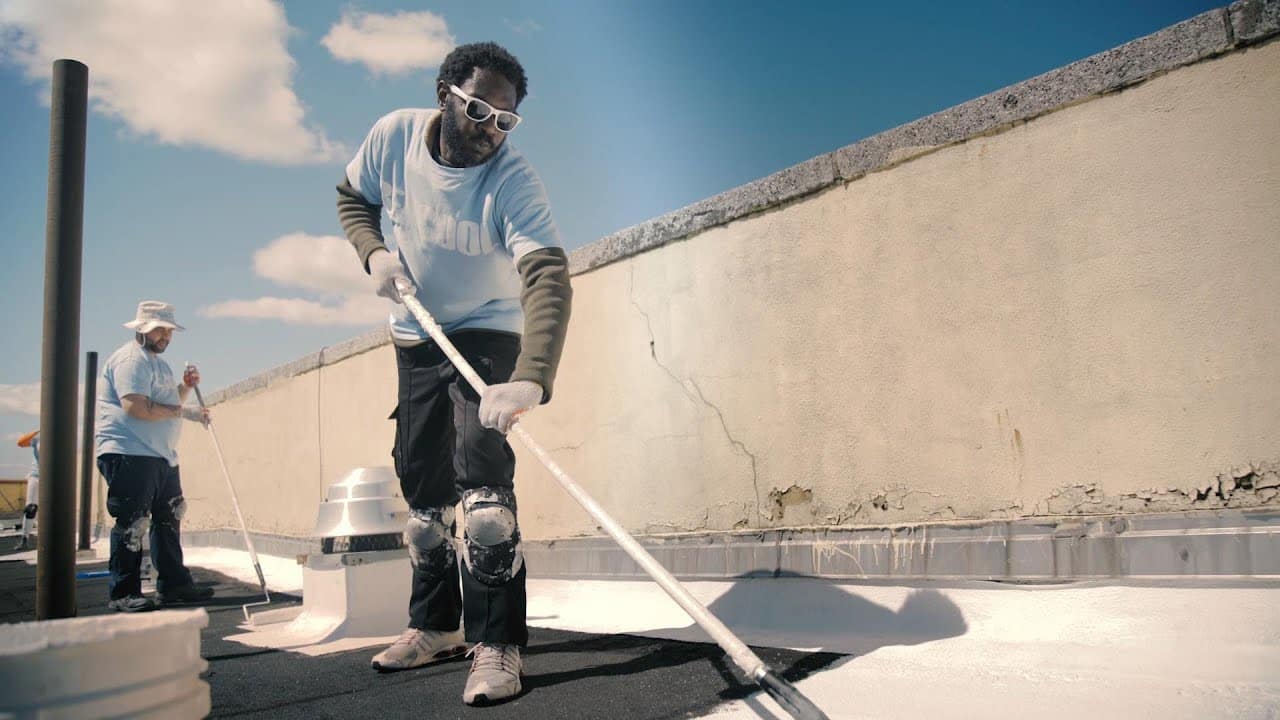
NYC CoolRoofs: New York Turns to Andalusian Vernacular Architecture to Combat Climate Change
Urban heat islands, extreme heat waves. These are two concepts that, for the sake of every living being, should grow increasingly distant from one…
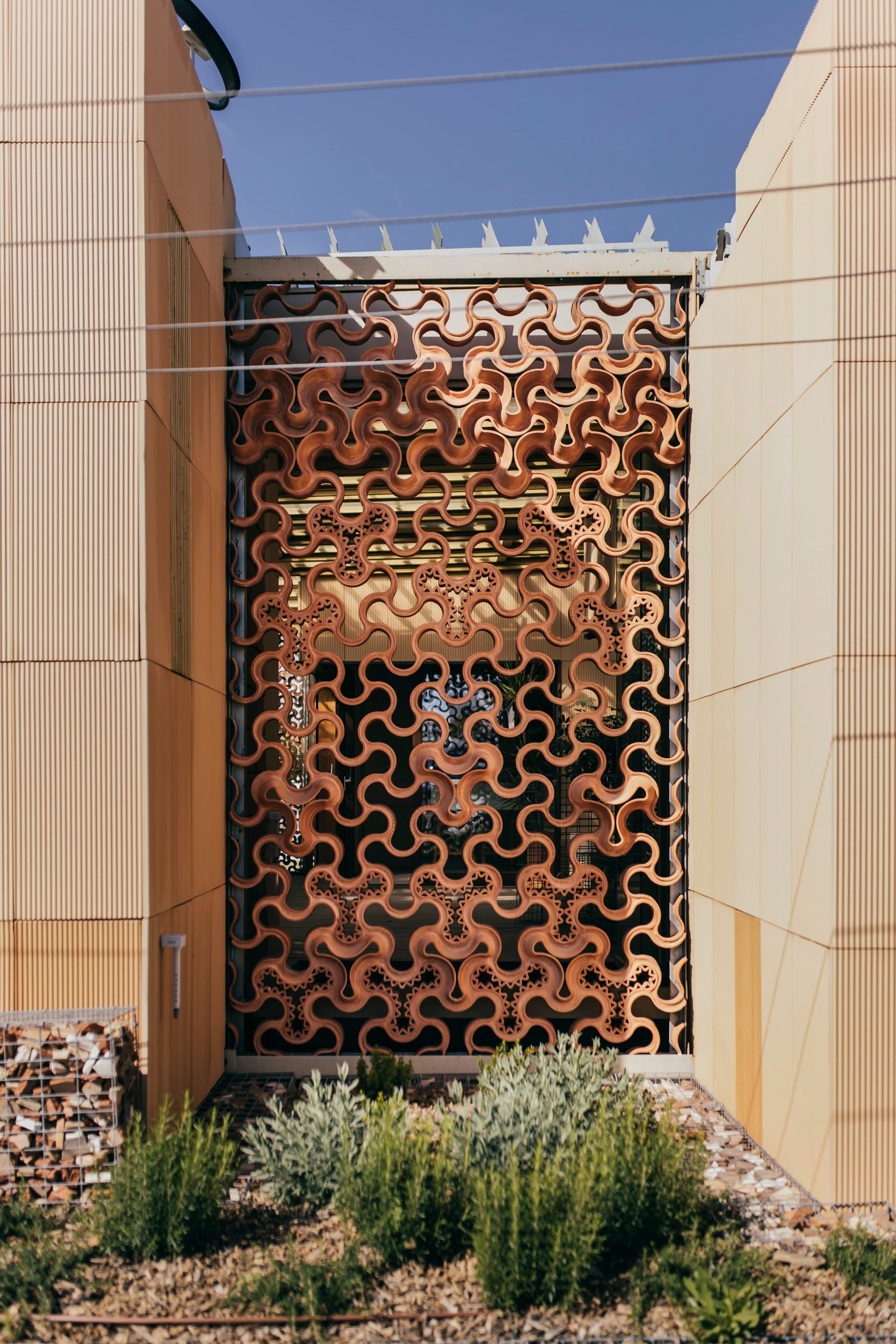
The Malaga College of Architects has selected our Casa Patio project for the 2026 Architecture Awards
More than 120 candidacies were submitted for the 18th edition of the Málaga Architecture Awards, one of the most prestigious competitions in the sector…
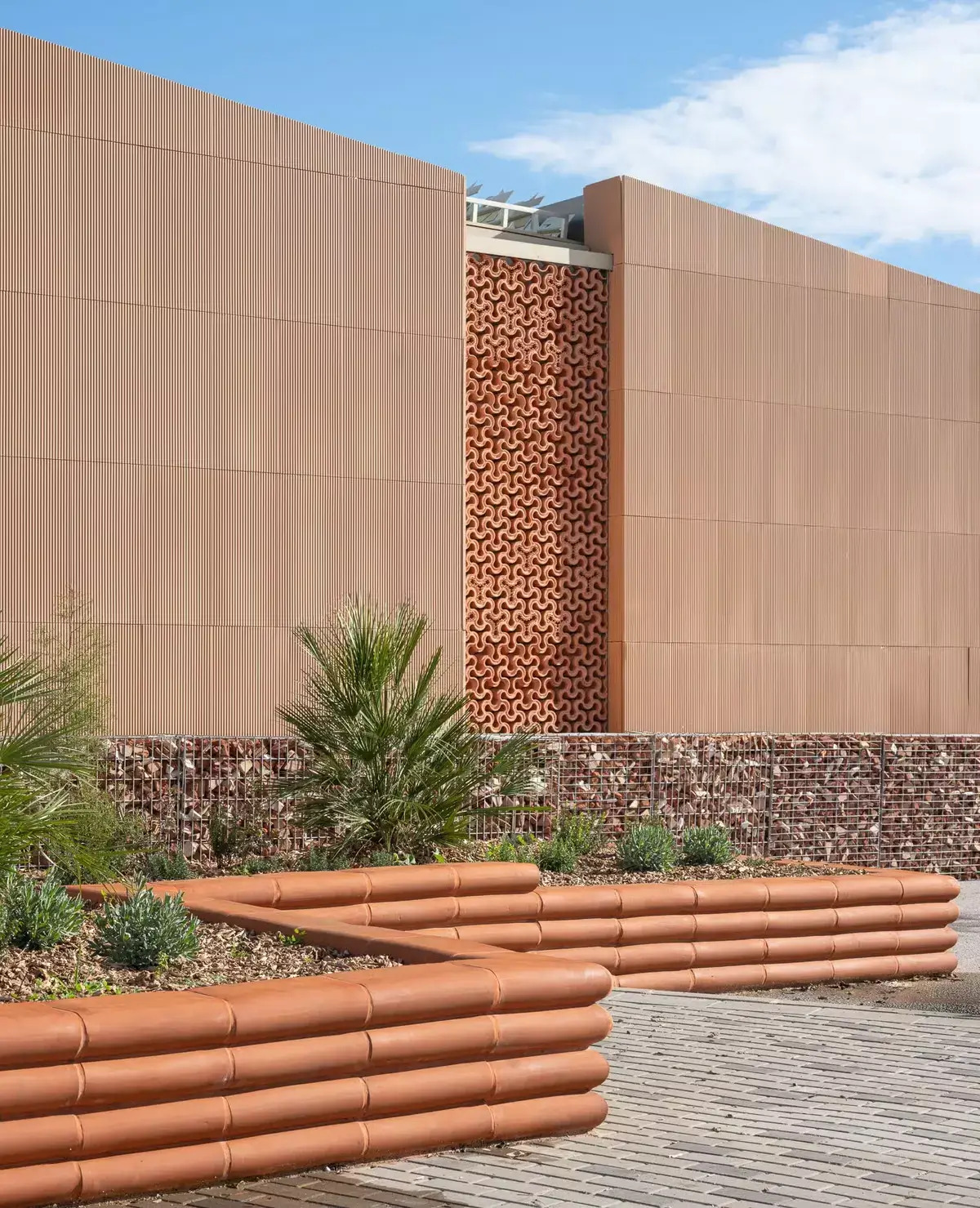
Succesful presentation of “Lab Patio 2.12”: todobarro’s experimental project to cool a house without using any energy
The project “Lab Patio 2.12” is one of todobarro’s research and development initiatives around the possibilities of clay as a bioclimatic material. Last week,…